


Bali’s culinary industry continues to thrive alongside the island’s booming tourism sector and evolving lifestyle trends. From fine dining establishments to small-scale food businesses, the demand for high-quality ingredients remains a top priority. One of the most critical elements behind a successful food business is selecting the right meat and seafood suppliers. Without a reliable source of fresh, hygienic, and consistently high-quality products, maintaining the standard of dishes becomes a significant challenge.
This article provides a comprehensive overview of the role of meat and seafood suppliers, commonly supplied products, essential criteria for choosing the best supplier, and the standards required for national and international distribution. It concludes with a recommended supplier in Bali that stands out in terms of quality and reliability.
The Importance of Choosing Quality Meat and Seafood Suppliers
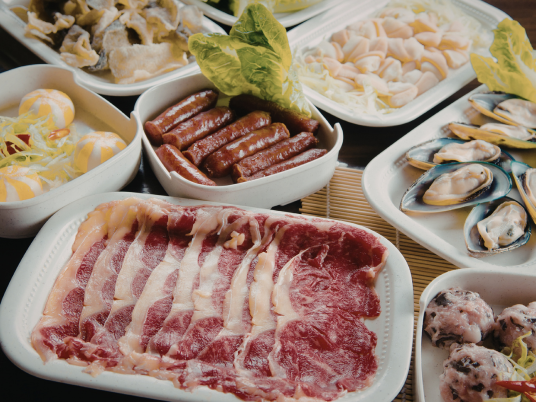 In the food and beverage industry, ingredient quality serves as the foundation of every successful dish. Meat and seafood suppliers are not merely vendors; they are strategic partners in maintaining a business’s reputation. Poor-quality or unsafe products can directly impact taste, customer health, and brand credibility.
Moreover, consistency in supply is equally crucial. Restaurants and food businesses rely on suppliers who can deliver stable quantities without compromising quality. Therefore, selecting a supplier goes beyond pricing—it involves trust, reliability, and professionalism.
As consumer expectations continue to rise, especially in an international tourism hub like Bali, businesses are expected to meet global standards. This makes it essential to collaborate with suppliers who operate with clear, measurable quality control systems.
Common Meat and Seafood Products Supplied to Culinary Businesses
Meat and seafood suppliers typically offer a wide range of products tailored to the needs of the culinary market. In the meat category, commonly supplied items include beef, chicken, lamb, and duck. Beef is widely used for steaks, burgers, and Western cuisine, while chicken remains a versatile option across various culinary styles.
Additionally, processed meat products such as sausages, bacon, and smoked meats are increasingly popular in modern restaurants. These products are often pre-prepared, allowing for efficiency in professional kitchens.
On the seafood side, suppliers provide a diverse selection including fresh fish, shrimp, squid, clams, and lobster. The quality of seafood is highly dependent on post-harvest handling, including storage and transportation. Fresh seafood is typically characterized by firm texture, mild aroma, and vibrant color.
Understanding these product categories naturally leads to the next important aspect: identifying what makes a supplier truly reliable and high-quality.
Key Criteria for the
Choosing the trusted meat and seafood suppliers requires careful evaluation. Several essential criteria should be considered to ensure a long-term and reliable partnership.
1. Product Quality and Freshness
A reputable supplier must guarantee consistent product quality. Meat should have a natural color and proper texture, while seafood must be stored at optimal temperatures to maintain freshness.
2. Food Safety Certifications
Professional suppliers typically hold certifications such as HACCP (Hazard Analysis Critical Control Point) or other food safety standards. These certifications indicate adherence to strict processing and handling procedures.
3. Efficient Distribution System
Logistics play a critical role in preserving product quality. Suppliers should have a well-managed distribution system, including temperature-controlled transportation for fresh and frozen goods.
4. Transparency and Traceability
The ability to trace product origins is increasingly important, particularly for large-scale operations and export requirements. Reliable suppliers provide clear information regarding sourcing, processing, and distribution.
5. Flexibility and Customer Service
Responsive communication and adaptability to customer needs are key advantages. Suppliers who can adjust order volumes and provide solutions during operational challenges are more valuable as long-term partners.
By applying these criteria, businesses can make informed decisions and secure partnerships that support sustainable growth.
Quality Standards for National Distribution and Export
For suppliers aiming to compete at national and international levels, higher standards must be met. This involves not only product quality but also integrated management systems.
Products distributed nationally must comply with proper hygienic packaging and regulatory requirements. For export purposes, additional standards apply, including international certifications, quarantine regulations, and compliance with destination country laws.
A well-maintained cold chain system is essential in this process. From production to delivery, temperature control ensures that products retain their quality upon arrival.
Furthermore, advancements in packaging technology, such as vacuum sealing and blast freezing, play a significant role in preserving texture, flavor, and nutritional value more effectively than traditional methods.
These rigorous standards highlight the importance of working with suppliers who are committed to excellence and continuous improvement.
The Role of Suppliers in Supporting Bali’s Culinary Industry
As a globally recognized tourism destination, Bali demands high-quality ingredients to meet diverse international tastes. Restaurants, hotels, and cafes cater not only to local customers but also to visitors from around the world with varying expectations.
In this environment, meat and seafood suppliers act as a crucial link between producers and culinary businesses. They ensure that ingredients meet global standards and are delivered in optimal condition.
Beyond supply, high-quality suppliers often provide valuable insights into product handling, storage, and usage. This added value helps businesses improve efficiency and maintain consistency in their kitchen operations.
Our Recommendation for the Best Meat and Seafood Suppliers in Bali
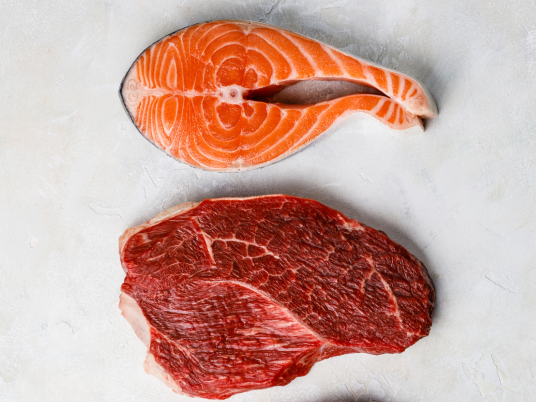 After considering all the essential factors, one name stands out as a highly recommended choice: Happy Farm Bali. Happy Farm Bali has established itself as a trusted provider among meat and seafood suppliers by prioritizing quality, consistency, and professionalism. Their products undergo strict quality control processes to ensure freshness and food safety.
Supported by a modern distribution system, they maintain product integrity throughout the supply chain. Their commitment to international standards makes them an excellent partner for businesses aiming to scale both nationally and globally.
In addition, Happy Farm Bali offers a wide range of products, from premium cuts of meat to fresh seafood selections. This variety allows culinary businesses to create diverse and high-quality menus with ease. Their responsive service and strong reputation further reinforce their position as a reliable and strategic partner in Bali’s competitive culinary landscape.
Conclusion
Selecting the right meat and seafood suppliers is a critical step in building a successful culinary business. Factors such as product quality, distribution systems, and food safety standards should never be overlooked.
In today’s competitive market, partnering with a professional and reliable supplier is no longer optional—it is essential. By carefully evaluating supplier criteria, businesses can ensure consistent quality and long-term growth.
As a final recommendation, Happy Farm Bali stands out as one of the best meat and seafood suppliers in Bali. With a strong commitment to quality and service, they are well-positioned to support the success of your culinary business.