


Salmon is one of the most popular ingredients in modern cuisine, appreciated for its rich flavor, tender texture, and impressive nutritional value. It is widely used in Japanese restaurants, Western-style dining, and everyday home cooking. From grilled salmon and creamy pasta to nourishing soups, this versatile fish can be transformed into a wide variety of delicious dishes. However, did you know that different salmon fish part have distinct characteristics that make them more suitable for certain cooking methods?
Understanding Salmon Fish Parts is essential for preparing flavorful dishes while making the most of every cut. The center fillet, belly, tail, collar, and head each have different textures, fat content, and flavor profiles. These differences influence how each cut performs during cooking and which recipes will bring out its best qualities.
For restaurant owners, hotel kitchens, culinary businesses, and home cooks, knowing which salmon cut to choose can make meal preparation more efficient. Selecting the right cut for a particular recipe helps improve the final dish, control ingredient costs, and make better use of the available ingredients.
Understanding Salmon and Its Characteristics
Salmon belongs to the Salmonidae family and is widely recognized for its pink to reddish-orange flesh. This distinctive color is influenced by a natural pigment called astaxanthin, which salmon obtain through their diet, including small crustaceans. The intensity of the flesh color can vary depending on the species, diet, and farming conditions.
One of the defining characteristics of salmon is its relatively tender flesh, with fat content that varies depending on the species and the part of the fish. Its natural fat contributes to its rich flavor and helps retain moisture during cooking. As a result, salmon works well with a variety of cooking techniques, including grilling, baking, steaming, pan-frying, and simmering. It can also be served raw in dishes when the fish has been appropriately sourced and handled according to food safety requirements.
Beyond its appealing taste, salmon is known as a source of high-quality protein, omega-3 fatty acids, vitamin B12, vitamin D, and various minerals. This combination of nutrients makes it a valuable ingredient for a balanced diet.
With these general characteristics in mind, the next step is to understand how the different parts of salmon vary and how those differences influence their use in the kitchen.
Salmon Fish Parts and Their Nutritional Benefits
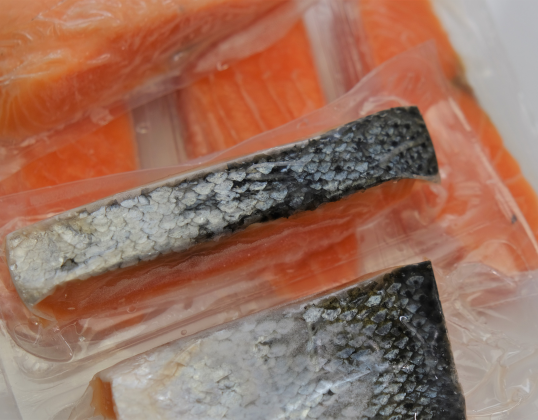
Salmon can generally be divided into several cuts based on their location and physical characteristics. Each part offers distinct advantages in terms of texture, flavor, nutritional composition, and cooking versatility.
1. Center Salmon Fillet
A versatile cut for a wide range of main courses.
The center fillet is one of the most commonly used salmon cuts in restaurant kitchens. It typically has a relatively even thickness, firm flesh, and a balanced combination of fat and protein. These characteristics make it easier to cook consistently and present attractively on a plate.
Nutritionally, the center fillet provides protein, which supports the growth and maintenance of body tissues, along with omega-3 fatty acids that contribute to heart health and normal brain function. Its exact nutritional composition depends on the salmon species, farming method, and product characteristics.
The center fillet is ideal for salmon steak, pan-seared salmon, lemon-baked salmon, and other main courses served with vegetables or potatoes. Its shape and thickness also make it a practical choice for restaurant menus that emphasize consistent portions and presentation.
2. Salmon Belly
A rich, fatty cut with a naturally savory flavor.
Salmon belly is known for its relatively high fat content and softer texture compared with several other cuts. Its natural fat gives it a rich, savory taste and a smooth mouthfeel when prepared properly.
In addition to protein, salmon belly can provide omega-3 fatty acids, although the amount varies according to the fish’s overall fat composition and species. Because this cut contains more fat, it is important to control the cooking temperature and duration to prevent the dish from becoming excessively oily.
Salmon belly is well suited to grilled salmon, belly skewers, stir-fries, and Asian-inspired dishes. It can also be used as a topping for rice bowls or incorporated into cooked sushi preparations. When pan-frying salmon belly, using only a small amount of additional oil can help maintain a balanced flavor.
3. Salmon Tail
A relatively lean cut for convenient, everyday dishes.
The salmon tail tapers toward the end of the fish, so its flesh tends to vary in thickness. It is generally leaner than the belly and works well in recipes that call for smaller portions of fish without excessive fat.
Salmon tail still provides high-quality protein, vitamin B12, and other nutrients found in salmon flesh. However, because some parts of the tail are thinner, careful cooking is important to prevent the meat from drying out.
This cut is suitable for teriyaki salmon, vegetable stir-fries, salmon pasta, sandwich fillings, and fried rice. For family meals, the flesh can also be cut into smaller pieces and added to soups or other dishes with flavorful broths.
4. Salmon Collar
An excellent option for grilled dishes with a rich flavor.
The salmon collar comes from the area just behind the head. It contains meat, connective tissue, and fat, although the shape and amount of flesh can vary. This cut is often valued in recipes that highlight the natural savory flavor of the fish.
Its protein and fat content depend on the proportion of meat and other tissues in the cut. When grilled, the natural fat helps develop a rich flavor, while the meat around the bones offers a variety of textures.
Salmon collar is ideal for grilled salmon collar, salt-and-lime preparations, and miso-glazed dishes. Grilling can create a nicely browned exterior while keeping the interior moist, provided that the cooking temperature and timing are properly controlled.
5. Salmon Head
A practical choice for flavorful soups and broth-based dishes.
The salmon head contains bones, connective tissue, skin, and edible portions of flesh. Because its composition differs from that of a standard fillet, it is commonly used to create flavorful fish stock and hearty soup dishes.
Salmon heads contain protein and certain minerals, while their fat content depends on the specific tissues consumed. Using this part of the fish can also help reduce food waste by making use of ingredients that might otherwise be discarded.
Popular preparations include salmon head soup, miso soup, and spicy salmon head dishes. Proper hygiene, safe storage, and thorough cooking remain important to ensure food safety.
What Dishes Are Best Suited to Each Salmon Fish Part?
After understanding the characteristics of each cut, the next step is to match the salmon part to the intended dish. Not every recipe requires the same cut because thickness, fat content, and shape can influence the final result.
For premium main courses, the center fillet is often a practical choice because it is easy to portion, cook, and plate consistently. Meanwhile, salmon belly is particularly appealing for dishes that emphasize richness and tenderness.
If you are looking for a more economical option, salmon tail can be used in pasta, stir-fries, or rice bowls. On the other hand, the head and collar offer alternatives for soups and grilled dishes with deeper, more pronounced flavors.
Understanding the purpose of each cut allows buyers and chefs to select ingredients according to their menus instead of relying exclusively on whole fillets.
Health Benefits of Salmon
In addition to choosing the appropriate cut, salmon’s nutritional profile is another reason why it is frequently included in everyday meals.
A Source of High-Quality Protein
Salmon provides protein that the body needs to build and repair tissues, maintain muscle mass, and support various biological processes. Protein also plays a role in the production of enzymes and hormones. For these reasons, salmon can be a valuable source of protein as part of a balanced diet.
Contains Omega-3 Fatty Acids
Salmon is known for containing EPA and DHA, two types of omega-3 fatty acids that support normal cellular functions, including those involved in brain and cardiovascular health. Eating fatty fish as part of a balanced dietary pattern can contribute to maintaining heart health.
Provides Vitamins and Minerals
Salmon is a source of vitamin B12, which supports red blood cell formation and nervous system function. It can also provide vitamin D, selenium, and other nutrients in varying amounts. These nutrients help meet daily nutritional needs when salmon is combined with a variety of other nutritious foods.
Although salmon offers several nutritional benefits, its contribution to health depends on the overall diet, portion size, and cooking method. Choosing suitable preparation techniques can help preserve its natural flavor without adding excessive amounts of fat or salt.
Tips for Choosing High-Quality Salmon Fish Parts
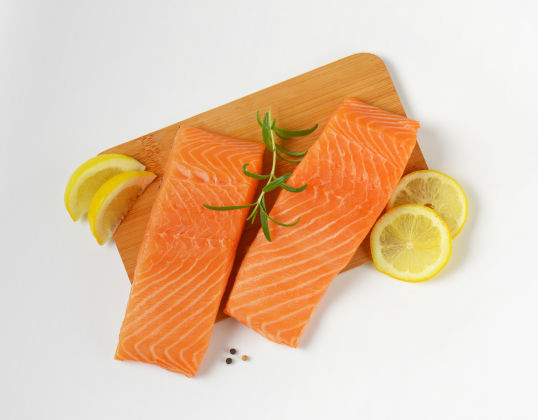
Before purchasing salmon, consider the condition of the product, the requirements of your recipe, and how the fish has been stored. Fresh salmon should have a mild, characteristic fish aroma, a good texture, and no obvious signs of spoilage. Color alone is not a reliable indicator of freshness because salmon’s appearance varies by species and product type.
When buying frozen salmon, check that it has been stored at an appropriate frozen temperature, the packaging is intact, and there are no obvious signs of repeated thawing. It is also important to review product information, expiration dates, and the supplier’s storage instructions.
For restaurants and culinary businesses, consistent salmon fish part of cut sizes are equally important. Fillets with suitable specifications can help maintain portion standards, cooking times, and presentation. Meanwhile, purchasing belly, tail, or head cuts can expand menu options while making better use of the available raw ingredients.
Happy Farm Bali, Your Salmon Supplier in Bali
Choosing the right salmon supplier is an important part of maintaining food quality, particularly for restaurants, hotels, cafés, catering businesses, and other culinary operations that require a consistent supply of ingredients. In addition to product quality, buyers should consider cut availability, cold-chain handling, product information, and delivery arrangements that suit their operational needs.
For salmon requirements in Bali, Happy Farm Bali is a supplier worth considering. Before placing an order, prospective customers can inquire about the availability of fillets, specific cutting requirements, fresh or frozen product options, and delivery arrangements based on their location and business needs.
By selecting salmon cuts according to the characteristics of each dish, buyers can plan ingredient usage more efficiently. Center fillets can be prioritized for main courses, belly cuts for richer dishes, and heads or collars for soups and grilled preparations.
If you are looking for a salmon supplier for your culinary business in Bali, Happy Farm Bali can be included on your shortlist of suppliers to evaluate. The phrase “Bali’s No. 1 Salmon Supplier” can be used as a brand positioning slogan, but the ranking should be supported by independent evidence if it is intended to be presented as a factual claim.
Ultimately, understanding Salmon Fish Parts does more than help you prepare better dishes. It also supports menu planning, ingredient cost management, and more efficient use of raw materials. With the right cut and a suitable supplier, salmon requirements for both home cooking and commercial kitchens can be managed more effectively.
Q&A About Salmon Fish Parts
1. Which salmon fish part is best for grilling?
The center fillet is suitable for grilling because its relatively even thickness makes it easier to cook consistently. Salmon belly and collar are also excellent choices if you prefer a richer flavor and a different texture.
2. Does salmon tail provide good nutritional value?
Yes. Salmon tail contains protein, vitamin B12, and other nutrients found in salmon flesh. Its fat content may differ from that of the belly, but its nutritional value still depends on the salmon species and the condition of the product.
3. Which salmon fish part is best for soup?
The salmon head is suitable for soups and stock because its bones, connective tissue, and edible flesh contribute to a savory flavor. The tail can also be used as an alternative when you want to add pieces of salmon meat to a soup.