


How to Store Salmon? Salmon is a premium ingredient widely used by restaurants, hotels, cafés, and catering businesses. Its delicate texture, distinctive flavor, and nutritional value make it a popular choice for a variety of dishes, including grilled salmon, sushi, sashimi, and Western-style cuisine. However, salmon quality depends heavily on how the fish is handled and stored, from the moment it arrives from the supplier until it is ready to be prepared in the kitchen.
Understanding How to Store Salmon properly is essential for maintaining freshness, food safety, and consistent dish quality. Incorrect storage temperatures or leaving the fish at room temperature for too long can accelerate microbial growth and reduce product quality. Therefore, every restaurant should establish standardized storage procedures, especially when using frozen salmon products as part of its regular inventory.
This article explores the characteristics of frozen salmon products, recommended storage temperatures, storage duration, and practical steps restaurants can implement to maintain salmon quality.
Understanding Frozen Salmon Products for Restaurant Use
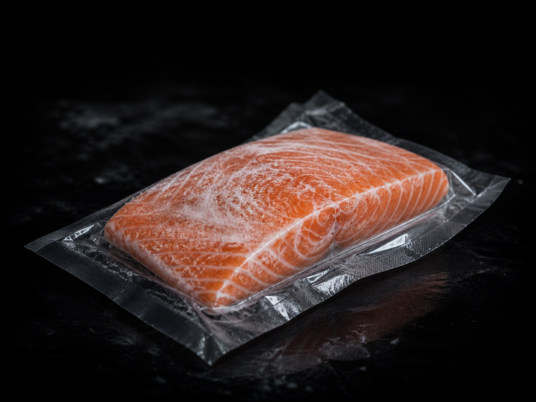 Frozen salmon is fish that has been frozen to help preserve its quality during distribution and storage. Proper freezing slows the activity of microorganisms and enzymes that contribute to fish deterioration. As a result, restaurants gain greater flexibility in managing inventory according to their operational needs.
Frozen salmon is available in various forms, including skinless fillets, skin-on fillets, portion-sized cuts, and whole fish. Each product type has specific handling requirements. Smaller fillets, for example, are convenient for restaurants serving individual portions, while larger cuts may be more suitable for high-volume food preparation.
When selecting frozen salmon, restaurants should pay attention to packaging integrity, production or expiration dates, storage instructions, and the consistency of the cold chain during delivery. Damaged packaging, leaks, or signs of thawing followed by refreezing should be carefully evaluated before accepting the product.
Once the product passes the initial inspection, the next step is implementing How to Store Salmon procedures that match the product’s characteristics and kitchen requirements. Proper handling helps restaurants reduce food waste while maintaining ingredient quality.
How to Store Salmon at the Right Temperature
Temperature is one of the most important factors in maintaining salmon quality and safety. Restaurants must distinguish between salmon that is still frozen, salmon that is being thawed, and salmon that has already been thawed and is ready for preparation.
1. Storing Frozen Salmon in a Freezer
Frozen salmon should be stored at -18°C (0°F) or below. At this temperature, the product can maintain its quality for the storage period specified by the manufacturer, depending on packaging conditions and handling practices. Freezer temperatures should be monitored using a thermometer rather than relying solely on the appliance’s control panel.
The process of How to Store Salmon in a freezer begins with ensuring that the product remains tightly sealed and protected from exposure to air. Improperly sealed packaging can cause freezer burn, a form of surface damage caused by moisture loss during frozen storage. This condition can affect the fish’s texture and flavor, although it does not necessarily mean the product is unsafe.
Additionally, avoid overloading the freezer to the point where cold air cannot circulate properly. Keep salmon separate from other raw ingredients that could contaminate the product if their packaging leaks. Apply the first in, first out (FIFO) inventory system, prioritizing products that entered storage earlier.
2. Storing Salmon in a Chiller or Refrigerator
Salmon intended for near-term use can be stored in a refrigerator or chiller at 0–4°C (32–39°F), preferably as close to 0°C as practical without freezing the product when refrigerated storage is intended. For raw fish, temperatures approaching 0°C generally help maintain quality more effectively.
When applying How to Store Salmon procedures in a chiller, place the fish in a clean, covered, leak-resistant container. Store it in an area with a stable temperature, ideally on a lower shelf, and keep it away from cooked foods and ready-to-eat ingredients. This helps reduce the risk of cross-contamination from drips or liquids released by raw fish.
Salmon that has been thawed should be labeled with the thawing date and time. These labels help kitchen staff prioritize products and prevent them from being forgotten in refrigerated storage.
3. Avoiding Storage at Room Temperature
One common mistake is leaving salmon at room temperature for too long. Warm conditions can accelerate bacterial growth, particularly in fish that has already been thawed.
As a general food safety guideline, do not leave perishable salmon at room temperature for more than two hours, or more than one hour when the surrounding temperature exceeds 32°C (90°F). In hot restaurant kitchens, ingredients should be transferred from the freezer or refrigerator to the preparation area only when needed.
Consistently following How to Store Salmon procedures helps restaurants minimize exposure to unsafe temperatures and preserve ingredient quality until preparation.
How Long Can Salmon Be Stored?
Salmon storage duration depends on temperature, the product’s initial condition, packaging type, and whether the fish remains frozen or has been thawed. Restaurants should therefore use manufacturer instructions and established food safety procedures as their primary references.
These durations are general guidelines, not a guarantee that every product will remain safe until the stated limit. For vacuum-packed salmon or products packaged under reduced-oxygen conditions, follow the manufacturer’s specific instructions because storage requirements after opening or during thawing may differ.
In practice, How to Store Salmon is not determined by storage duration alone. Temperature history, packaging condition, equipment cleanliness, and handling speed also influence the final result. Do not rely solely on smell or appearance to determine whether fish is safe to consume.
How to Thaw Frozen Salmon Safely
Thawing is an important step before salmon is prepared. For restaurant operations, the preferred method is to transfer salmon from the freezer to the refrigerator in a covered container and allow it to thaw gradually. The required time depends on the size, thickness, and packaging of the product.
Avoid thawing salmon on a kitchen counter or simply soaking it in warm water. If faster thawing is necessary, use a cold-water method with watertight packaging and maintain hygienic handling throughout the process. Products thawed using a rapid method should be cooked promptly.
Once thawing is complete, inspect the product and ensure there are no signs of damaged packaging or improper temperature handling. Salmon thawed in the refrigerator can be refrozen under certain conditions if it has remained at a safe temperature, although its texture may deteriorate. In contrast, products left at room temperature or with an unknown temperature history should not be refrozen for later use.
A comprehensive approach to How to Store Salmon means controlling every stage, from receiving and storage to thawing and preparation.
Tips for Maintaining Salmon Quality in a Restaurant Kitchen
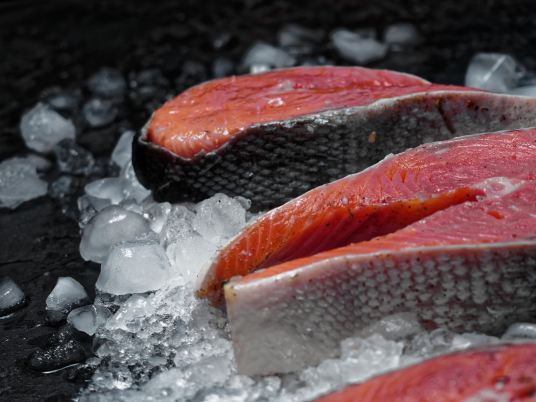 Beyond temperature and storage duration, inventory management also affects restaurant efficiency. Kitchen staff should record the date of receipt, batch number when available, thawing date, and intended use-by date according to the restaurant’s food safety procedures. These records make it easier to trace products if quality concerns arise.
Use dedicated containers for salmon and avoid mixing it with other food ingredients. Ensure that hands, cutting boards, knives, and work surfaces are cleaned before and after handling raw fish. Freezer and chiller temperatures should be checked regularly and documented so that any deviations can be addressed promptly.
For restaurants with high daily salmon demand, purchasing quantities that match sales volume can also help reduce food waste. Frozen products packaged in convenient portions allow kitchen staff to use only what they need without thawing the entire supply.
Ultimately, effective How to Store Salmon practices combine appropriate storage facilities, consistent handling procedures, and the selection of a supplier capable of maintaining product quality throughout delivery.
Recommended Salmon Supplier in Bali: Happy Farm Bali
For restaurants, hotels, and food businesses that require frozen salmon, choosing the best salmon supplier is an important part of ingredient quality control. Product availability, clear specifications, packaging condition, and cold-chain consistency should all be considered before selecting a supply partner.
Happy Farm Bali is a supplier you may consider when evaluating options for your business, particularly if you are looking for the Best Salmon Supplier in Bali. When assessing a supplier, confirm salmon availability, available cuts, package sizes, delivery schedules, and temperature-handling procedures during transportation.
Before placing a large order, request information about product origin, expiration dates, storage instructions, and relevant food safety documentation. You should also confirm that deliveries maintain the frozen or refrigerated conditions required by the product specifications.
By working with a suitable supplier and implementing effective How to Store Salmon procedures, food businesses can establish better inventory control, maintain dish consistency, and provide customers with a better dining experience.
FAQ About How to Store Salmon
1. What is the ideal temperature for storing frozen salmon in a restaurant?
Frozen salmon should be stored at -18°C (0°F) or below. Temperatures should be monitored regularly using a thermometer to help maintain product quality according to the manufacturer’s instructions.
2. How long can raw salmon be stored in a chiller?
As a general guideline, raw salmon can be stored for 1–2 days at 4°C (40°F) or below. However, always check the product label, the fish’s initial condition, and the restaurant’s applicable food safety procedures.
3. Can frozen salmon be refrozen after thawing?
Salmon thawed in the refrigerator can be refrozen under certain conditions if it has remained at a safe temperature and has been handled correctly. However, refreezing may reduce its texture quality. Salmon thawed at room temperature or with an uncertain temperature history should not be refrozen for later use.