


For F&B businesses in Bali, meat is more than just an ingredient. Meat quality can influence the texture of a steak, the tenderness of a burger, the character of a meat bowl, and the consistency of every dish served to customers. Therefore, choosing between imported meat Bali and locally sourced meat should not be based solely on the price per kilogram. Factors such as origin, cut, meat characteristics, food safety standards, and kitchen requirements should also be taken into consideration.
Across Indonesia, culinary businesses can find a wide variety of meat products sourced from both local farms and international markets. Australia, New Zealand, Brazil, and the United States are among the well-known sources of meat in the global market. At the same time, meat from certified local farms also plays an important role, offering its own characteristics and advantages.
So, which option is more suitable for restaurants, hotels, catering companies, steakhouses, and other culinary businesses in Bali?
Understanding the Types of Meat Available in the Indonesian Market
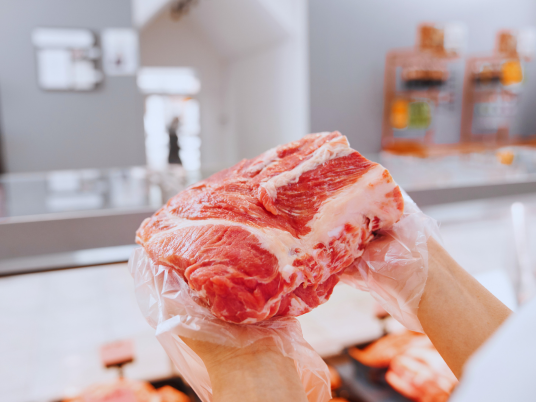 Before comparing imported meat Bali and local meat, it is important to understand that the term “meat” covers many different categories. Differences in cattle breeds, feeding systems, animal age, farming practices, slaughtering processes, and the specific cut used can all produce different meat characteristics.
In the market, culinary businesses can find various cuts such as tenderloin, sirloin, ribeye, striploin, topside, chuck, brisket, knuckle, and other cuts suitable for processed meat products. Each cut has its own fat content, fiber structure, texture, and recommended cooking method.
There is also a distinction between fresh and frozen meat. For F&B businesses purchasing in larger quantities, frozen meat can be a practical option because it offers a longer storage period when the cold chain and proper storage procedures are maintained.
Understanding these characteristics helps business owners avoid the assumption that imported meat is always better or that local meat is always more economical. The right choice ultimately depends on the menu and operational requirements of each business.
Australian Meat: A Popular Choice for Various Menus
Australia is one of the major meat-producing countries recognized by the international culinary industry. Australian meat is available in various categories and specifications, allowing restaurants to select products according to their individual concepts.
For steakhouses or restaurants that require premium cuts, factors such as marbling, tenderness, cut specifications, and consistency are important considerations. Meanwhile, restaurants serving meat bowls, burgers, yakiniku, or other processed dishes may require different specifications that are more suitable for their recipes and cooking methods.
Therefore, when choosing imported meat Bali sourced from Australia, businesses should not focus solely on the country of origin. Product specifications are far more important in determining whether the meat is suitable for a particular kitchen.
New Zealand Meat: A Different Meat Profile
New Zealand is another established source of meat available in the international market. Meat from New Zealand is often associated with farming systems that make extensive use of pasture, although the actual characteristics of each product still depend on the individual producer and product specifications.
For culinary businesses, these characteristics may be worth considering when developing dishes that emphasize the natural flavor of meat. However, quality should not be determined solely by the country of origin.
What matters equally is how the product is processed, cut, packaged, stored, and transported before reaching the restaurant’s kitchen.
Brazil and the United States: Alternatives for Different Requirements
Brazil is one of the world’s major cattle-producing countries. Brazilian meat can provide an alternative for businesses looking for products with particular specifications and price ranges.
Meanwhile, the United States is widely recognized for its meat categories and grading systems. Certain U.S. meat products are commonly used for premium steak menus, particularly when restaurants are looking for specific levels of marbling and tenderness.
However, culinary businesses should not choose meat simply because it carries an “Australian,” “NZ,” “Brazilian,” or “U.S.” label. Product specifications, supply consistency, price, cut size, and menu requirements remain the key factors.
What About Certified Local Meat?
On the other hand, locally sourced meat offers advantages of its own. A relatively shorter distribution distance can benefit businesses that prioritize local sourcing and require certain products on a regular basis.
However, the word local does not automatically mean that the quality of every product is the same. F&B businesses should still consider the source, farming practices, slaughtering process, hygiene standards, legality, and relevant certifications.
For this reason, working with certified local farms or suppliers that meet established standards is an important step. This allows restaurants to source not simply “local meat,” but products with a clearer and more accountable supply chain.
Local vs Imported Meat Bali: Which Is More Suitable for F&B Businesses?
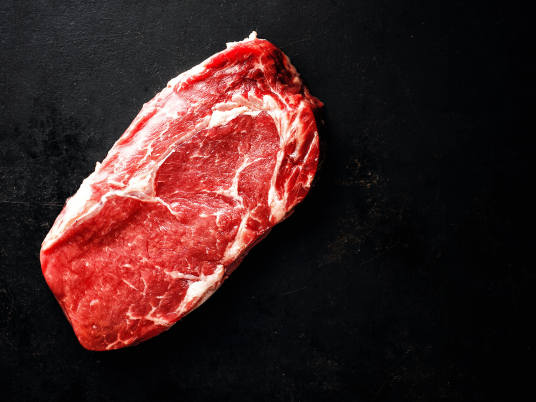 Imported vs Lokal Meat? The answer depends on the business concept. A premium steakhouse may require specific cuts with consistent marbling and tenderness. A burger restaurant may need meat with a particular fat-to-meat ratio and texture for producing patties. Meanwhile, hotels and catering companies may prioritize large-volume supply, consistent availability, and predictable purchasing costs.
This is where knowledge about imported meat Bali becomes particularly important. Business owners can develop their procurement strategy based on their actual menu requirements rather than simply following market trends.
Several factors should be considered:
- Quality consistency: Is the meat’s quality relatively consistent from one order to another?
- Cut specifications: Are the size and cut suitable for the kitchen’s standard requirements?
- Price and food cost: Does the product price support the business’s target margin?
- Availability: Can the supplier provide the required products consistently?
- Cold chain: How are the products stored and transported?
- Safety and certification: Can the source and distribution process be properly traced?
- Menu compatibility: Does the meat’s character complement the dishes being served?
For growing culinary businesses, consistency can sometimes be more important than simply finding the cheapest meat. Variations in raw material quality can affect flavor, portion size, food cost, and the overall customer experience.
Why Is Choosing the Right Meat Supplier Important?
Choosing a supplier means choosing an important part of the business’s supply chain. A good supplier does more than simply sell meat. They help businesses obtain specifications that match their operational and culinary requirements.
In Bali, this is particularly relevant because the hospitality, restaurant, catering, and broader culinary industries have highly diverse demands. A supplier capable of providing both imported and locally sourced meat can offer greater flexibility to F&B businesses.
One company offering both options is Happy Farm Bali. According to the company’s information, Happy Farm Bali supplies imported meat Bali from Australia, New Zealand, Brazil, and the United States, while also sourcing products from qualified and certified local farms. Its products are intended for restaurants, hotels, catering businesses, supermarkets, and other customers.
Happy Farm Bali as an Imported Meat Bali Supplier
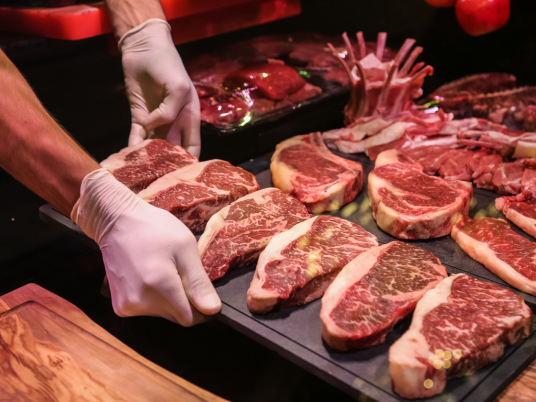 For businesses looking for imported meat Bali, Happy Farm Bali can be considered as one of the best meat suppliers in Bali. The company is based in Denpasar and states that it was established in 2022, focusing on the distribution of imported meat Bali, local meat, and seafood.
From a distribution perspective, Happy Farm Bali states that it uses storage facilities maintained at freezer temperatures of approximately -18°C, together with refrigerated vehicles to help maintain product conditions throughout distribution. Its delivery services also cover several hospitality and business areas, including Denpasar, Kuta, Seminyak, Canggu, Jimbaran, and Nusa Dua.
For restaurants and F&B businesses, this type of supply model can provide greater flexibility because procurement does not have to be limited to a single meat category. Business owners can choose between imported and local products based on their menu, target customers, food cost, and volume requirements.
Conclusion: Choose Meat Based on Your Business Needs
There is no universal answer that imported meat Bali is always superior to local meat, or vice versa. Australia, New Zealand, Brazil, the United States, and certified local farms can each offer different characteristics and product specifications.
The key for culinary businesses is to understand what their menu and customers actually require. From there, businesses should choose suppliers capable of providing consistent quality, clear specifications, reliable supply, and appropriate storage and distribution systems that support product safety.
For F&B businesses looking for both imported meat Bali and certified local meat, Happy Farm Bali is worth considering as one of Bali’s meat supplier options. With sourcing options from Australia, New Zealand, Brazil, the United States, as well as certified local products, Happy Farm Bali provides flexibility for restaurants, hotels, catering companies, and other culinary businesses when selecting ingredients according to their specific needs.