


Tips for Choosing High-Quality Fresh Seafood – Seafood is one of the most in-demand food commodities worldwide, especially in Bali. As an internationally recognized tourist destination, Bali experiences a consistently high demand for fresh seafood every day. Restaurants, hotels, villas, catering services, and culinary businesses continuously seek premium seafood products to meet the expectations of both international visitors and local consumers. At the same time, household consumers have become increasingly selective, prioritizing fresh, nutritious, and high-quality ingredients for their daily meals.
However, the growing market demand is not always matched by the quality of seafood available in the market. Both individual customers and business owners often receive seafood that lacks optimal freshness. From fish that have lost their natural texture to shrimp that are no longer fresh, as well as squid and shellfish that have deteriorated due to improper handling and storage, poor-quality seafood remains a common concern.
This situation presents a significant challenge. Inferior seafood not only affects the taste and presentation of dishes but can also reduce customer satisfaction, damage a business’s reputation, and raise food safety concerns. Therefore, understanding Tips for Choosing High-Quality Fresh Seafood is essential before purchasing seafood, whether for personal consumption or commercial operations.
Why Is the Demand for Fresh Seafood So High in Bali?
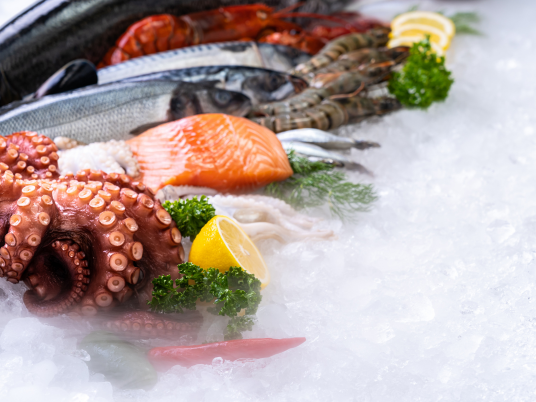
Bali is widely known as one of the world’s most popular travel destinations. Its thriving tourism industry has fueled the rapid growth of the food and beverage sector, where seafood has become one of the most sought-after menu categories.
In addition to tourism, increasing awareness of healthy eating habits has encouraged more consumers to include seafood in their diets. Rich in high-quality protein, omega-3 fatty acids, vitamins, and essential minerals, seafood is considered one of the healthiest sources of animal protein.
As a result, demand for fish, shrimp, squid, shellfish, lobster, and various other seafood products continues to grow. While this expanding market creates promising business opportunities, it also increases the challenge of maintaining consistent product quality throughout the supply chain.
Challenges in Finding High-Quality Fresh Seafood
Although Bali has easy access to abundant marine resources, not every seafood product available in the market offers the same level of quality. Numerous factors influence the freshness of seafood before it reaches the end customer.
One of the biggest challenges is the distribution process. Seafood is highly perishable and extremely sensitive to temperature fluctuations. Without a properly managed cold chain, product quality can decline rapidly during transportation and storage.
Furthermore, not every supplier implements strict quality control procedures. Some prioritize quantity over quality, resulting in seafood that may appear acceptable on the surface but has already lost much of its freshness.
For businesses such as restaurants, hotels, catering companies, and food manufacturers, receiving low-quality seafood can lead to financial losses. Poor-quality ingredients affect food taste, increase product waste, and ultimately reduce customer satisfaction.
This is why Tips for Choosing High-Quality Fresh Seafood and selecting the right supplier is just as important as selecting the seafood itself.
Tips for Choosing High-Quality Fresh Seafood
Knowing how to identify fresh seafood helps consumers make better purchasing decisions. Below are several Tips for Choosing High-Quality Fresh Seafood that can be used as practical guidelines.
1. Check the Seafood’s Smell
Fresh seafood should have a clean, natural ocean scent rather than a strong fishy or sour odor. An unpleasant smell is often one of the earliest signs that the seafood is no longer fresh.
Even first-time buyers can use aroma as a reliable indicator of seafood quality.
2. Examine the Appearance and Color
Each type of seafood has unique visual characteristics, but generally, fresh seafood should have bright, natural colors.
Fresh fish typically have shiny scales, clear eyes, and bright red gills. Fresh shrimp should have clean, translucent shells, while squid should appear glossy with firm skin.
The fresher the seafood, the healthier and more appealing its appearance will be.
3. Feel the Texture
Texture is another important indicator of seafood freshness.
Fresh fish should have firm flesh that quickly returns to its original shape when gently pressed. Likewise, shrimp and squid should feel firm and elastic rather than soft or mushy.
Changes in texture often indicate that the seafood has been stored for too long or handled improperly.
4. Make Sure Proper Cold Chain Storage Is Used
Seafood must be stored at appropriate temperatures from the moment it is harvested until it reaches the customer.
Professional suppliers use consistent cold chain management to preserve freshness throughout transportation and delivery. This ensures the seafood maintains its quality until it arrives at its destination.
This factor becomes even more critical for businesses purchasing seafood in large quantities.
5. Choose a Supplier with Strong Quality Control Standards
Reliable suppliers implement strict quality inspection procedures before their products reach customers.
From sourcing premium seafood and conducting quality inspections to maintaining proper storage and efficient distribution, every stage should follow clear operational standards.
Suppliers with established quality control systems are generally more consistent in delivering premium seafood products.
6. Ensure Stable Product Availability
For commercial buyers, supply consistency is just as important as product quality.
A dependable supplier that can maintain stable inventory levels helps businesses operate smoothly without worrying about shortages during periods of high demand.
Consistent product availability also simplifies inventory planning for restaurants, hotels, catering companies, and other food service businesses.
The Importance Tips for Choosing High-Quality Seafood Supplier
After learning Tips for Choosing a High-Quality Fresh Seafood, the next step is selecting a supplier with a proven reputation for quality.
Professional suppliers do more than simply sell seafood. They maintain product quality from sourcing through storage, packaging, and delivery. They understand the importance of hygiene standards, proper cold storage, and efficient logistics.
For household consumers, choosing a trusted supplier provides greater confidence in the freshness and safety of the seafood they purchase.
For business owners, a dependable supplier helps maintain food consistency, improve operational efficiency, and strengthen customer trust.
Ultimately, the quality of seafood directly influences the quality of every dish served.
High-Quality Seafood Is a Smart Investment for the Food Industry
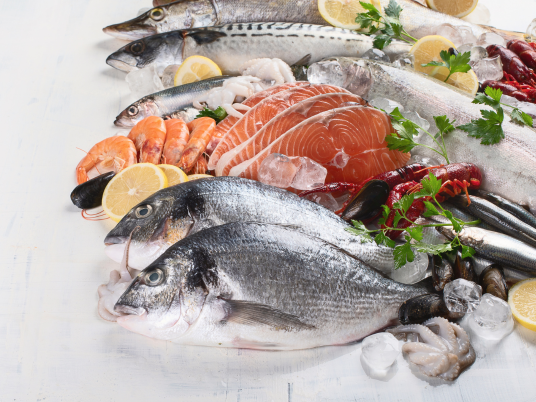
After a Tips for Choosing High-Quality Fresh Seafood, Many business owners assume that purchasing the cheapest seafood is the best way to reduce operating costs.
In reality, low-quality seafood often leads to greater waste, shorter shelf life, and inconsistent food quality. Over time, these issues can negatively affect customer satisfaction and business reputation.
Premium seafood, on the other hand, offers significant long-term value. Better texture, fresher flavor, and more attractive presentation enhance the overall dining experience and encourage repeat customers.
For this reason, prioritizing quality over price is a more sustainable strategy for businesses aiming for long-term success.
Happy Farm Bali, Your Trusted Meat and Seafood Supplier in Bali
Choosing the right supplier is essential for obtaining premium-quality seafood. Happy Farm Bali is one of the trusted suppliers of high-quality meat and seafood in Bali share some Tips for Choosing High-Quality Fresh Seafood to help.
Happy Farm Bali provides a wide selection of seafood products to meet the needs of households, restaurants, hotels, villas, catering services, and various food and beverage industries. Every product is carefully selected with strict attention to freshness, quality, and proper storage practices to ensure it reaches customers in excellent condition.
In addition to premium seafood, Happy Farm Bali also supplies a variety of high-quality meat products, helping businesses source all their protein requirements from one reliable supplier. With a strong commitment to product quality, consistent supply, and professional customer service, Happy Farm Bali has become a trusted partner for businesses and individuals seeking premium meat and seafood in Bali.
Conclusion
The continuously growing demand for seafood in Bali creates tremendous opportunities for both businesses and household consumers. However, finding truly fresh and high-quality seafood remains a common challenge.
Understanding Tips for Choosing High-Quality Fresh Seafood enables buyers to make informed purchasing decisions. From checking aroma, appearance, and texture to ensuring proper cold chain storage and selecting suppliers with strong quality control standards, every factor contributes to the overall quality of seafood products.
If you are looking for a trusted supplier of premium meat and seafood for personal or commercial needs, Happy Farm Bali is an excellent choice in Bali. Through its commitment to freshness, quality assurance, reliable supply, and professional service, Happy Farm Bali is ready to support households, restaurants, hotels, and food businesses with premium-quality ingredients they can rely on.