


Dry-Aged vs Wet-Aged Beef – Choosing the right type of beef is an important decision for any restaurant, particularly for businesses serving steak, grilled beef, or other premium meat dishes. Beyond the quality of the cattle and the specific cut, the aging process also plays a significant role in determining the beef’s flavor, texture, aroma, and overall performance during cooking.
Two of the most widely recognized aging methods are dry aging and wet aging beef. Both methods are designed to improve the tenderness of beef while developing its flavor profile. However, because the processes are fundamentally different, they can produce noticeably different eating experiences.
So, when it comes to Dry-Aged vs Wet-Aged Beef, which one is actually better for a restaurant? The answer is not simply a matter of choosing one. Each method has its own strengths and limitations, and the right choice depends on the restaurant’s concept, target customers, menu style, and food cost considerations.
Understanding Dry-Aged Beef
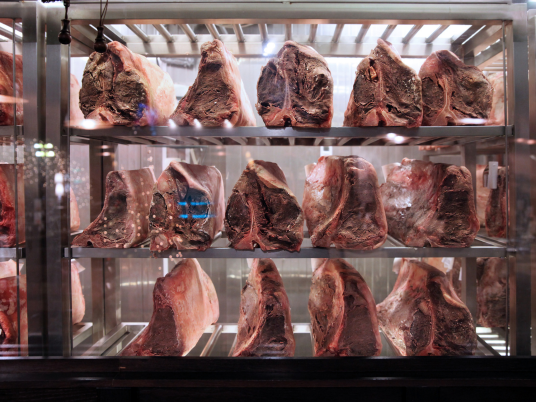
Dry-aged beef is beef that has undergone an aging process in a controlled environment without being sealed in airtight packaging. The meat is typically placed in a dedicated aging room where temperature, humidity, airflow, and sanitation are carefully managed for a specific period.
During the process, moisture gradually evaporates from the beef. At the same time, naturally occurring enzymes within the muscle help break down certain proteins and muscle structures, contributing to improved tenderness. As moisture decreases, the natural flavors of the beef also become more concentrated.
This is what gives dry-aged beef its distinctive character. Depending on the aging period and the characteristics of the original beef, it may develop deeper savory notes as well as nutty, buttery, or earthy aromas.
However, dry aging requires considerably more attention than simply storing meat for an extended period. The aging environment must remain stable and hygienic because the meat is exposed to circulating air. Once the aging process is complete, the outer layer of the beef may also need to be trimmed before the usable portion is prepared for cooking.
In other words of Dry-Aged vs Wet-Aged Beef, dry aging is not simply about keeping beef in storage for a long time. It is a controlled process that requires careful management to develop the desired flavor and texture.
Wet-Aged Beef and Its Characteristics
Dry-Aged vs Wet-Aged Beef: Unlike dry aging, wet aging takes place while the beef is sealed in airtight packaging, most commonly through vacuum packaging. The meat is then kept under refrigerated conditions for a designated period.
Because the beef remains sealed, there is significantly less moisture evaporation from its surface. The naturally occurring enzymes in the meat can still contribute to improved tenderness during the aging period.
One of the major advantages of wet-aged beef is its ability to retain weight and maintain much of the beef’s original character. Since there is considerably less moisture loss compared with dry aging, wet aging can provide a higher usable yield.
In terms of flavor, wet-aged beef generally has a milder profile and retains a more familiar beef character. This can make it appealing to customers who prefer the natural flavor of beef without the stronger aromas associated with extended dry aging.
Because the process is also relatively practical and does not require a specialized open-air aging room, wet aging is widely used in food service and restaurant operations.
Dry-Aged vs Wet-Aged Beef: What Are the Main Differences?
The comparison between Dry-Aged vs Wet-Aged Beef can be understood through several important factors, including the aging method, flavor, texture, yield, and operational considerations.
1. Aging Process
Dry aging is performed by storing beef without airtight packaging in a carefully controlled environment. Wet aging, on the other hand, takes place inside vacuum-sealed packaging, which limits the meat’s direct exposure to air.
This fundamental difference in processing is responsible for many of the differences between the two types of beef.
2. Flavor and Aroma
Dry-aged beef generally develops a more intense and complex flavor because moisture loss concentrates the beef’s natural flavors during the aging process. Its aroma can also become more distinctive as the aging period progresses.
Wet-aged beef tends to have a milder flavor and maintains more of the beef’s original characteristics. For restaurants that want to emphasize a clean and familiar beef profile, this can be an advantage.
3. Texture
Both aging methods can help improve tenderness compared with beef that has not undergone an aging process. Dry aging can provide a distinctive texture alongside its concentrated flavor, while wet aging can improve tenderness without causing the same level of moisture loss.
The final result, however, can also depend on the cut, quality of the beef, aging duration, and cooking method.
4. Yield and Cost
With dry aging, restaurants need to account for moisture loss as well as trimming of the outer surface of the beef. This means the final usable weight can be lower than the original weight.
Wet aging generally provides a higher yield because the beef remains sealed and experiences considerably less evaporation. From a restaurant operations perspective, this can be an important consideration when calculating food cost and portion pricing.
Advantages and Disadvantages of Dry-Aged Beef
Dry-aged beef has a distinctive appeal for restaurants looking to create a premium dining experience.
Its advantages include a more complex flavor profile, distinctive aroma, unique texture, and strong potential as a premium menu offering. A well-executed dry-aged steak can also become a restaurant’s signature dish and help differentiate the business from competitors.
However, there are also several disadvantages. The process requires suitable aging facilities, consistent temperature and humidity control, longer storage time, and additional consideration for weight loss and trimming.
For this reason, restaurants need to calculate the overall food cost carefully. The additional cost associated with dry aging should be reflected appropriately in menu pricing and the positioning of the dish.
Advantages and Disadvantages of Wet-Aged Beef
Wet-aged beef offers a more practical approach for restaurants that require consistent supply and efficient operations.
Its main advantages include operational efficiency, relatively high yield, convenient storage, and a flavor profile that is familiar to a broad range of customers. Wet aging can also be suitable for restaurants that need consistent beef products for steak menus and other high-volume dishes.
On the other hand, wet-aged beef generally does not offer the same depth and complexity of flavor associated with dry-aged beef. Restaurants specifically seeking a pronounced aged-beef character may therefore prefer dry aging.
Ultimately, the choice of aging method should reflect the restaurant’s positioning and the type of dining experience it wants to deliver.
Which One Is Right for a Restaurant Menu?
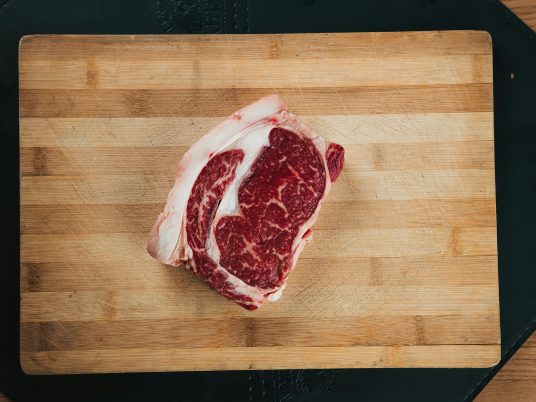
There is no absolute winner when comparing Dry-Aged vs Wet-Aged Beef. If a restaurant has a premium concept and wants to offer steaks with distinctive flavors and a more specialized dining experience, dry-aged beef can be an excellent option.
Wet-aged beef, meanwhile, can be a practical choice for restaurants that prioritize consistency, operational efficiency, portion control, and higher usable yield.
Restaurants can even incorporate both methods into different menu categories. Dry-aged beef can be positioned as a signature or premium selection, while wet-aged beef can be used for regular steak offerings and other menu items.
Ultimately, the quality of the raw beef remains the foundation. A well-managed aging process cannot compensate for raw material that does not meet the restaurant’s desired quality standards.
Choosing a Beef Supplier for Restaurants in Bali
For food businesses, choosing a supplier is not simply about finding the lowest price. Consistent quality, product availability, suitable cuts, reliable supply, and the ability to meet restaurant requirements over time are equally important considerations.
For restaurants operating in Bali, Happy Farm Bali is one supplier worth considering as a Beef Supplier for Restaurants in Bali. Working with a supplier that understands food service requirements can make it easier for restaurants to select beef according to their menu concept, target customers, and desired quality standards.
Whether a restaurant chooses dry-aged or wet-aged beef, the most important step is to ensure that the raw material comes from a supplier capable of delivering quality and consistency. This is where the process of creating a great steak experience begins.
FAQ About Dry-Aged vs Wet-Aged Beef
1. Is dry-aged beef always better than wet-aged beef?
Not necessarily. Dry-aged beef offers a more complex and intense flavor profile, but taste preferences vary from customer to customer. Wet-aged beef can be a better choice for diners who prefer a milder and more familiar beef flavor.
2. How long is beef typically dry-aged?
The duration of dry aging can vary depending on the cut, the desired flavor profile, and the intended use of the beef. A longer aging period does not automatically mean better quality, as extended aging can produce a stronger and more distinctive flavor.
3. Should a restaurant choose dry-aged or wet-aged beef?
The choice should be based on the restaurant’s concept and operational requirements. Dry-aged beef is well suited to premium and signature dishes, while wet-aged beef can be more appropriate for operations that prioritize efficiency, consistency, yield, and broad customer appeal.