


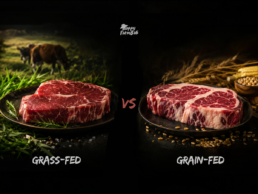
Grass-Fed vs Grain-Fed Beef: Understanding the Flavor Differences and Choosing the Right Beef for Your Steakhouse
Grass-Fed vs Grain-Fed Beef - In the world of culinary excellence, the quality of a steak is not determined solely by how it is cooked. Long before a cut of beef reaches the kitchen and meets the heat of a grill, a long production process has already influenced its final characteristics. One of the factors that deserves attention is the type of feed given to cattle. This is why the discussion of Grass-Fed vs Grain-Fed is relevant for steakhouses, restaurants, and consumers who want to better understand why two cuts of beef can deliver noticeably different dining experiences.
The principle is relatively simple: high-quality beef begins with high-quality raw ingredients. Cattle that receive nutritious feed, proper care, and appropriate handling throughout the production process have the potential to produce beef with more consistent characteristics. However, this does not mean that one feeding system is universally superior to the other. Grass-Fed vs Grain-Fed Beef each have their own characteristics, particularly in terms of flavor, texture, marbling, and culinary applications.
Understanding Grass-Fed vs Grain-Fed Beef
Before comparing the two, it is important to understand what grass-fed and grain-fed beef actually mean. In general, grass-fed beef refers to beef sourced from cattle whose diet consists predominantly of grass and forage. Meanwhile, grain-fed beef comes from cattle that receive grain-based feed at certain stages of their development, including grains such as corn and other cereals.
These differences in feeding practices can influence how cattle grow and how the characteristics of the beef develop. One of the most noticeable aspects is intramuscular fat, commonly known as marbling. Marbling refers to the fat distributed throughout the muscle fibers and is one of the important factors contributing to the juicy sensation and mouthfeel of a steak.
However, beef quality cannot be determined solely by whether it is labeled grass-fed or grain-fed. Cattle breed, age, feed quality, farming practices, aging process, storage conditions, and meat handling can all have a significant impact on the final product.
In other words, understanding Grass-Fed vs Grain-Fed Beef is not simply about choosing between grass and grain. It is about understanding how the entire production chain contributes to the quality of the steak.
What Is the Flavor Difference Between Grass-Fed and Grain-Fed Beef?
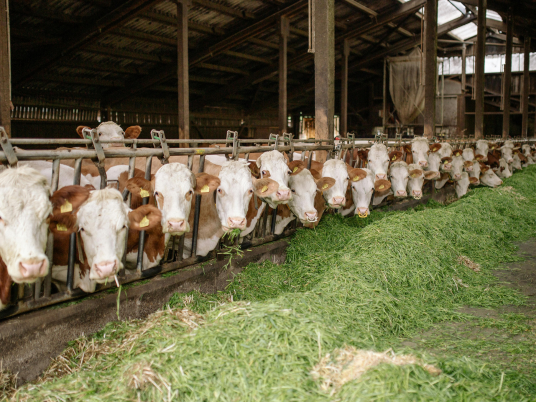
One of the most interesting aspects of Grass-Fed vs Grain-Fed Beef is how the difference can be experienced when both are prepared as steak. Grass-fed beef generally has a more pronounced, beef-forward character, sometimes accompanied by earthy or herbal notes. These characteristics may become more noticeable because of differences in fat composition and cattle development.
Grain-fed beef, on the other hand, is often associated with a richer and more buttery flavor, particularly when the beef has a high level of marbling. As the fat renders during grilling, it can create a juicy sensation and a richer mouthfeel.
These distinctions, however, should not be treated as absolute rules. The flavor of a steak is also strongly influenced by the specific cut being used. Tenderloin, ribeye, striploin, and sirloin each have their own natural characteristics, even when they come from cattle raised under the same feeding system.
For a steakhouse, understanding these characteristics is important because the choice of beef should align with the restaurant's concept and customer expectations. A steakhouse that emphasizes a bold beef flavor may approach its menu differently from a restaurant seeking to deliver a rich, buttery, highly marbled steak experience.
Advantages and Disadvantages of Grass-Fed Beef
Grass-Fed vs Grain-Fed Beef: Grass-fed beef has its own appeal for consumers looking for a more distinctive and pronounced beef flavor. Its stronger natural character can be particularly appealing when steak is prepared with simple seasoning. Salt, pepper, and a touch of butter or olive oil can often be enough to highlight the natural qualities of the meat.
From a menu perspective, grass-fed beef can also be an interesting choice for steakhouses that want to offer customers a different flavor profile. However, some grass-fed beef can be leaner, making cooking technique even more important. If it is overcooked, the meat may lose moisture and develop a firmer texture.
Advantages of grass-fed beef:
- Offers a pronounced, beef-forward flavor.
- Suitable for consumers who enjoy a distinctive natural beef profile.
- Works well with steak preparations that use simple seasoning.
- Can be an appealing option for restaurants emphasizing natural or pasture-raised concepts.
Disadvantages of grass-fed beef:
- Certain products may have lower levels of marbling.
- The texture can be firmer than highly marbled grain-fed beef.
- Requires more precise control of cooking temperature and time.
- Its flavor profile may not appeal to customers who prefer a very rich and buttery steak.
Advantages and Disadvantages of Grain-Fed Beef
Grass-Fed vs Grain-Fed Beef: When discussing grain-fed beef, marbling is one of its major attractions. Grain-based feeding during certain stages can support the development of intramuscular fat, although the level of marbling is also influenced by other factors such as genetics and cattle management.
A steak with good marbling can provide a juicy and rich sensation when grilled. For this reason, grain-fed beef is a popular choice for many premium steak preparations, particularly cuts such as ribeye, which naturally have a more prominent fat profile.
However, grain-fed does not automatically mean higher quality. Consumers and restaurant professionals should still consider the beef's grading, breed, cut, aging process, and overall product quality before making a selection.
Advantages of grain-fed beef:
- Has the potential to develop higher levels of marbling.
- Provides a juicy and rich steak experience.
- Well suited to customers who enjoy tender and buttery textures.
- Available across a wide range of cuts and grades to suit different steakhouse requirements.
Disadvantages of grain-fed beef:
- Its beef flavor can be milder compared with some grass-fed beef.
- Highly marbled products can have a more pronounced fat sensation.
- Prices may increase alongside higher grades and product quality.
- Not every customer prefers an especially rich steak profile.
Grass-Fed vs Grain-Fed Beef: Which Is Better for a Steakhouse?
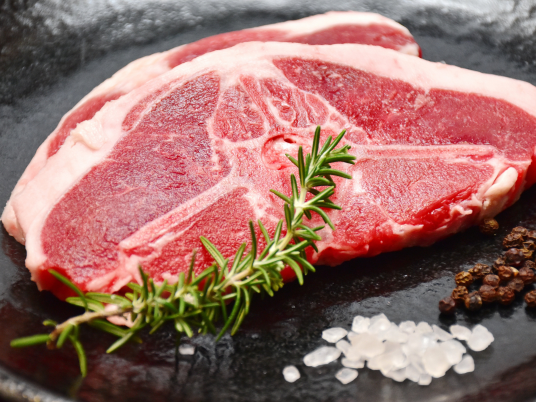
The question of which is better Grass-Fed vs Grain-Fed Beef does not have one universal answer. For a steakhouse, the ideal choice should ultimately depend on the restaurant's positioning, target customers, menu concept, and cooking techniques.
If a restaurant wants to serve steak with a bold and distinctive beef character, grass-fed beef can be an interesting choice. Meanwhile, if the goal is to offer a steak that emphasizes juiciness, tenderness, and abundant marbling, grain-fed beef may be more suitable.
Beyond the characteristics of the beef itself, a professional steakhouse also requires consistent supply. Restaurants need to maintain consistency in cut size, quality, cold-chain management, trimming, and product specifications. This makes choosing the right supplier an important part of steakhouse operations.
Choosing the Right Steak Meat Supplier
Ultimately, steak quality begins long before the beef reaches the grill. A supplier that understands the requirements of the restaurant industry can help ensure that the products delivered meet established specifications and kitchen standards.
For restaurants and steakhouses in Bali, Happy Farm Bali is a supplier worth considering as the Best Steak Meat Supplier. With a focus on providing meat products for culinary needs, a supplier such as Happy Farm Bali can help restaurants source beef that is better aligned with their menu requirements and professional kitchen standards.
For a steakhouse, choosing a supplier is not simply about finding the lowest price. Consistent quality, product availability, cut specifications, handling practices, and the ability to meet restaurant requirements are equally important considerations. With the right supplier, the journey from selecting quality raw ingredients to serving a well-executed steak can become far more consistent.
FAQ About Grass-Fed vs Grain-Fed Beef
1. Is Grass-Fed Beef Healthier Than Grain-Fed Beef?
Both have different nutritional characteristics, and the final nutritional profile can be influenced by many factors. Therefore, it is not accurate to assume that grass-fed beef is always healthier than grain-fed beef. Consumers should consider the overall quality of the product, portion size, and their broader dietary pattern.
2. Is Grain-Fed Beef More Tender for Steak?
Grain-fed beef with good marbling can generally provide a juicier and more tender eating experience when cooked properly. However, tenderness is also influenced by cattle breed, cut, animal age, aging process, and cooking technique.
3. Which Is Better for a Steakhouse: Grass-Fed or Grain-Fed Beef?
Both can be excellent choices. Grass-fed beef is suitable for steakhouses looking for a stronger and more distinctive beef flavor, while grain-fed beef can be an attractive option for restaurants prioritizing marbling, juiciness, and a rich flavor profile. The right choice ultimately depends on the restaurant's concept, menu, and customer preferences.

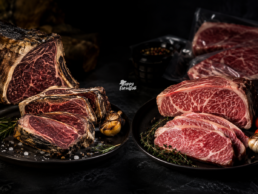
Dry-Aged vs Wet-Aged Beef: Understanding the Difference and Choosing the Right One for Your Restaurant
Dry-Aged vs Wet-Aged Beef - Choosing the right type of beef is an important decision for any restaurant, particularly for businesses serving steak, grilled beef, or other premium meat dishes. Beyond the quality of the cattle and the specific cut, the aging process also plays a significant role in determining the beef’s flavor, texture, aroma, and overall performance during cooking.
Two of the most widely recognized aging methods are dry aging and wet aging beef. Both methods are designed to improve the tenderness of beef while developing its flavor profile. However, because the processes are fundamentally different, they can produce noticeably different eating experiences.
So, when it comes to Dry-Aged vs Wet-Aged Beef, which one is actually better for a restaurant? The answer is not simply a matter of choosing one. Each method has its own strengths and limitations, and the right choice depends on the restaurant’s concept, target customers, menu style, and food cost considerations.
Understanding Dry-Aged Beef
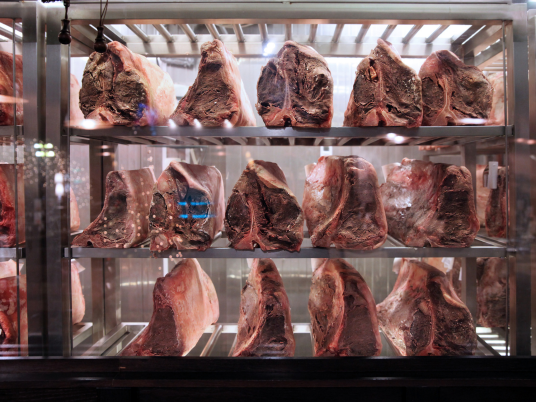
Dry-aged beef is beef that has undergone an aging process in a controlled environment without being sealed in airtight packaging. The meat is typically placed in a dedicated aging room where temperature, humidity, airflow, and sanitation are carefully managed for a specific period.
During the process, moisture gradually evaporates from the beef. At the same time, naturally occurring enzymes within the muscle help break down certain proteins and muscle structures, contributing to improved tenderness. As moisture decreases, the natural flavors of the beef also become more concentrated.
This is what gives dry-aged beef its distinctive character. Depending on the aging period and the characteristics of the original beef, it may develop deeper savory notes as well as nutty, buttery, or earthy aromas.
However, dry aging requires considerably more attention than simply storing meat for an extended period. The aging environment must remain stable and hygienic because the meat is exposed to circulating air. Once the aging process is complete, the outer layer of the beef may also need to be trimmed before the usable portion is prepared for cooking.
In other words of Dry-Aged vs Wet-Aged Beef, dry aging is not simply about keeping beef in storage for a long time. It is a controlled process that requires careful management to develop the desired flavor and texture.
Wet-Aged Beef and Its Characteristics
Dry-Aged vs Wet-Aged Beef: Unlike dry aging, wet aging takes place while the beef is sealed in airtight packaging, most commonly through vacuum packaging. The meat is then kept under refrigerated conditions for a designated period.
Because the beef remains sealed, there is significantly less moisture evaporation from its surface. The naturally occurring enzymes in the meat can still contribute to improved tenderness during the aging period.
One of the major advantages of wet-aged beef is its ability to retain weight and maintain much of the beef’s original character. Since there is considerably less moisture loss compared with dry aging, wet aging can provide a higher usable yield.
In terms of flavor, wet-aged beef generally has a milder profile and retains a more familiar beef character. This can make it appealing to customers who prefer the natural flavor of beef without the stronger aromas associated with extended dry aging.
Because the process is also relatively practical and does not require a specialized open-air aging room, wet aging is widely used in food service and restaurant operations.
Dry-Aged vs Wet-Aged Beef: What Are the Main Differences?
The comparison between Dry-Aged vs Wet-Aged Beef can be understood through several important factors, including the aging method, flavor, texture, yield, and operational considerations.
1. Aging Process
Dry aging is performed by storing beef without airtight packaging in a carefully controlled environment. Wet aging, on the other hand, takes place inside vacuum-sealed packaging, which limits the meat’s direct exposure to air.
This fundamental difference in processing is responsible for many of the differences between the two types of beef.
2. Flavor and Aroma
Dry-aged beef generally develops a more intense and complex flavor because moisture loss concentrates the beef’s natural flavors during the aging process. Its aroma can also become more distinctive as the aging period progresses.
Wet-aged beef tends to have a milder flavor and maintains more of the beef’s original characteristics. For restaurants that want to emphasize a clean and familiar beef profile, this can be an advantage.
3. Texture
Both aging methods can help improve tenderness compared with beef that has not undergone an aging process. Dry aging can provide a distinctive texture alongside its concentrated flavor, while wet aging can improve tenderness without causing the same level of moisture loss.
The final result, however, can also depend on the cut, quality of the beef, aging duration, and cooking method.
4. Yield and Cost
With dry aging, restaurants need to account for moisture loss as well as trimming of the outer surface of the beef. This means the final usable weight can be lower than the original weight.
Wet aging generally provides a higher yield because the beef remains sealed and experiences considerably less evaporation. From a restaurant operations perspective, this can be an important consideration when calculating food cost and portion pricing.
Advantages and Disadvantages of Dry-Aged Beef
Dry-aged beef has a distinctive appeal for restaurants looking to create a premium dining experience.
Its advantages include a more complex flavor profile, distinctive aroma, unique texture, and strong potential as a premium menu offering. A well-executed dry-aged steak can also become a restaurant’s signature dish and help differentiate the business from competitors.
However, there are also several disadvantages. The process requires suitable aging facilities, consistent temperature and humidity control, longer storage time, and additional consideration for weight loss and trimming.
For this reason, restaurants need to calculate the overall food cost carefully. The additional cost associated with dry aging should be reflected appropriately in menu pricing and the positioning of the dish.
Advantages and Disadvantages of Wet-Aged Beef
Wet-aged beef offers a more practical approach for restaurants that require consistent supply and efficient operations.
Its main advantages include operational efficiency, relatively high yield, convenient storage, and a flavor profile that is familiar to a broad range of customers. Wet aging can also be suitable for restaurants that need consistent beef products for steak menus and other high-volume dishes.
On the other hand, wet-aged beef generally does not offer the same depth and complexity of flavor associated with dry-aged beef. Restaurants specifically seeking a pronounced aged-beef character may therefore prefer dry aging.
Ultimately, the choice of aging method should reflect the restaurant’s positioning and the type of dining experience it wants to deliver.
Which One Is Right for a Restaurant Menu?
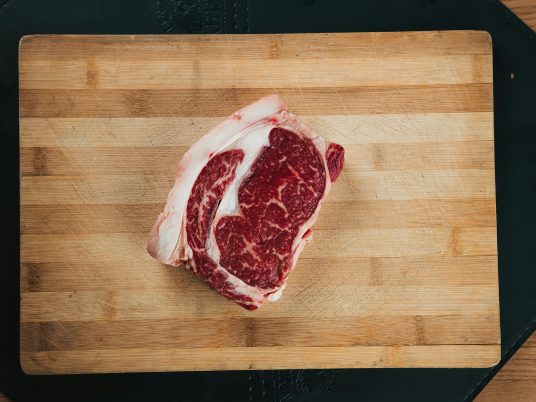
There is no absolute winner when comparing Dry-Aged vs Wet-Aged Beef. If a restaurant has a premium concept and wants to offer steaks with distinctive flavors and a more specialized dining experience, dry-aged beef can be an excellent option.
Wet-aged beef, meanwhile, can be a practical choice for restaurants that prioritize consistency, operational efficiency, portion control, and higher usable yield.
Restaurants can even incorporate both methods into different menu categories. Dry-aged beef can be positioned as a signature or premium selection, while wet-aged beef can be used for regular steak offerings and other menu items.
Ultimately, the quality of the raw beef remains the foundation. A well-managed aging process cannot compensate for raw material that does not meet the restaurant’s desired quality standards.
Choosing a Beef Supplier for Restaurants in Bali
For food businesses, choosing a supplier is not simply about finding the lowest price. Consistent quality, product availability, suitable cuts, reliable supply, and the ability to meet restaurant requirements over time are equally important considerations.
For restaurants operating in Bali, Happy Farm Bali is one supplier worth considering as a Beef Supplier for Restaurants in Bali. Working with a supplier that understands food service requirements can make it easier for restaurants to select beef according to their menu concept, target customers, and desired quality standards.
Whether a restaurant chooses dry-aged or wet-aged beef, the most important step is to ensure that the raw material comes from a supplier capable of delivering quality and consistency. This is where the process of creating a great steak experience begins.
FAQ About Dry-Aged vs Wet-Aged Beef
1. Is dry-aged beef always better than wet-aged beef?
Not necessarily. Dry-aged beef offers a more complex and intense flavor profile, but taste preferences vary from customer to customer. Wet-aged beef can be a better choice for diners who prefer a milder and more familiar beef flavor.
2. How long is beef typically dry-aged?
The duration of dry aging can vary depending on the cut, the desired flavor profile, and the intended use of the beef. A longer aging period does not automatically mean better quality, as extended aging can produce a stronger and more distinctive flavor.
3. Should a restaurant choose dry-aged or wet-aged beef?
The choice should be based on the restaurant’s concept and operational requirements. Dry-aged beef is well suited to premium and signature dishes, while wet-aged beef can be more appropriate for operations that prioritize efficiency, consistency, yield, and broad customer appeal.

Differences Between Lamb and Goat Meat: Taste, Texture, and Characteristics
Lamb and goat meat are often considered similar because they come from closely related small ruminant animals. Their appearance can also be quite similar, especially after the meat has been cut into individual portions. However, when examined more closely, there are several differences between lamb and goat meat that can be noticed in terms of taste, aroma, texture, and cooking characteristics.
For home consumers, these differences between lamb and goat meat may simply come down to personal preference. However, for culinary businesses such as restaurants, hotels, catering companies, and other food and beverage businesses, choosing between lamb and goat meat can influence the character of the dishes being served. The type of meat should be selected according to the menu concept, target customers, cooking methods, and supply requirements.
In recent years, lamb products, or meat from young sheep, have become increasingly popular in a variety of culinary applications. Their relatively tender texture and versatile flavor make lamb suitable for many dishes, from traditional preparations to international cuisine.
What Is Lamb Meat?
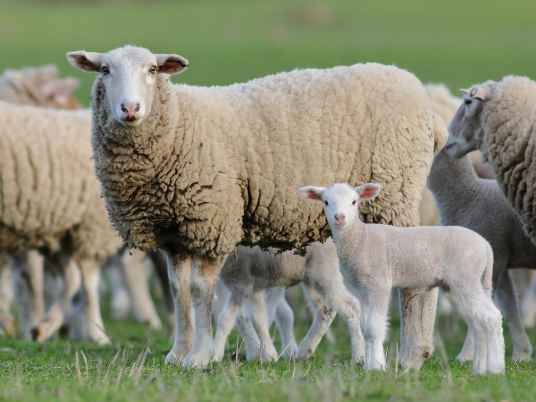
Before discussing the differences between lamb vs goat meat, it is important to understand what is meant by lamb. In general, the term lamb refers to meat obtained from young sheep. The age of the animal is one of the factors that can influence the characteristics of the meat, including its tenderness, color, aroma, and flavor.
Lamb generally has a pinkish-red to red color, with white fat. When prepared using the right cooking method, this fat can provide a savory flavor while helping create a juicy texture.
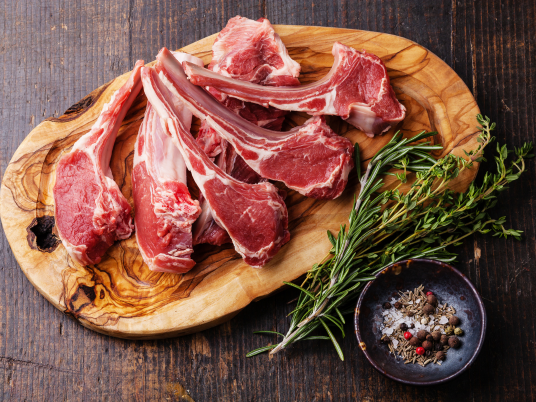
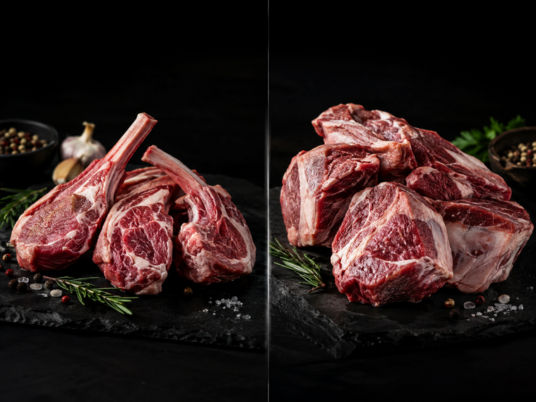
Different cuts of lamb can also be used for different culinary purposes. Some of the most well-known cuts include lamb rack, lamb chop, lamb leg, lamb shoulder, and lamb shank. Each cut has its own characteristics and can be selected according to the cooking technique and type of dish being prepared.
This variety of cuts means that lamb is not limited to specific traditional cuisines. It is also widely used in modern restaurants, hotels, steakhouses, and various international culinary concepts.
Differences Between Lamb and Goat Meat in Terms of Taste
One of the most noticeable differences between lamb and goat meat is their flavor profile. Although both have distinctive characteristics, their flavor intensity can be quite different.
Goat meat generally has a stronger aroma and more pronounced flavor. This distinctive character can become more noticeable when the meat comes from an older animal. This is one reason why goat meat works particularly well with strong seasonings and spices, such as those used in satay, curry, tongseng, and other traditional dishes.
Lamb, on the other hand, tends to have a milder flavor. Its characteristic aroma is still present, but it is generally less intense than that of goat meat. This makes lamb relatively easy to combine with different types of seasonings, sauces, herbs, and spices.
These differences between lamb and goat meat in flavor provide different opportunities for culinary businesses. Goat meat can be an excellent choice for menus that emphasize traditional flavors and bold spices, while lamb can be used for a wider range of dishes with both local and international flavor profiles.
Differences Between Lamb and Goat Meat in Terms of Texture
In addition to flavor, texture is another important factor when distinguishing between the two types of meat. Lamb obtained from young sheep generally has a more tender texture, with relatively fine muscle fibers.
This characteristic makes lamb suitable for a wide range of cooking methods. Cuts such as lamb chops or lamb racks, for example, can be prepared through grilling or pan-searing. Meanwhile, cuts such as lamb shoulder and lamb shank can be cooked slowly to achieve a tender texture.
Goat meat can have a firmer or chewier texture, particularly when it comes from an older animal. However, this does not mean that goat meat is always tough. The choice of cut, quality of the raw material, marination process, cooking temperature, and cooking time all play important roles in determining the final texture.
For culinary businesses, texture consistency is an important consideration because customers generally expect a similar dining experience every time they order the same dish.
Differences Between Lamb and Goat Meat: Pros and Cons
1. Advantages and Disadvantages of Lamb Meat
Lamb offers several advantages that make it attractive for culinary applications. One of them is its generally tender texture, particularly when using lamb from young sheep. Its relatively mild flavor also makes it suitable for a wide variety of seasonings and culinary styles.
Another advantage is the variety of cuts available for different menu concepts. Lamb rack can be used for premium dishes, lamb chops are suitable for individual servings, while lamb leg can be used for roasted dishes or large-format meals.
Lamb shoulder and lamb shank can also be excellent choices for dishes that require longer cooking times. This versatility allows chefs to develop different types of dishes from a single category of raw material.
However, lamb also has several factors that need to be considered. Certain lamb cuts, particularly premium cuts, can be more expensive than some other types of meat. In addition, product quality is strongly influenced by storage and handling practices. Maintaining an appropriate cold chain is an important part of preserving product quality until the meat reaches the kitchen.
2. Advantages and Disadvantages of Goat Meat
Goat meat has a major advantage in its distinctive flavor and aroma. These characteristics are precisely what make it appealing to many consumers who enjoy goat-based dishes.
In Indonesia, goat meat is also highly familiar and is used in a wide range of traditional foods. Goat satay, curry, tongseng, goat soup, and other preparations are examples of how goat meat has established its own place in local cuisine.
However, its stronger flavor can also be a consideration when the target customers prefer meat with a milder aroma. The texture of goat meat also requires particular attention because improper cooking techniques can result in a tougher final product.
Therefore, choosing between goat and lamb should not be based solely on price. The menu concept, target market, cooking method, and desired flavor profile should also be taken into account.
Why Are Lamb and Lamb Products Increasingly Popular in the Culinary Business?
The growth of the restaurant and hospitality industries has increased demand for ingredients with diverse characteristics. Lamb has become an interesting option because it can be used to create dishes with both premium appeal and international influences.
One of the key attractions of lamb is its versatility. The meat can be used in a wide variety of dishes, including grilled lamb chops, roasted lamb leg, lamb rack, lamb curry, and different slow-cooked preparations.
Its relatively mild flavor also gives chefs room to develop different flavor profiles. Lamb can be combined with Asian spices, Middle Eastern seasonings, European-style sauces, or modern culinary seasonings.
From a business perspective, this versatility can give restaurants more opportunities to develop their menus without being restricted to a single culinary style. Lamb can also provide an alternative for customers looking to enjoy a protein source other than chicken, beef, or goat.
However, product characteristics are not the only consideration. Availability and supply consistency are equally important. Restaurants and hotels need suppliers that can provide products consistently according to their operational requirements.
The Importance of Choosing a Quality Lamb Supplier
When lamb is used as a raw ingredient in a culinary business, product quality is only one aspect that needs to be considered. Business owners should also evaluate stock availability, variety of cuts, storage systems, distribution processes, and the supplier's ability to fulfill regular orders.
Proper temperature-controlled storage is essential for meat products. The delivery process is equally important, particularly for culinary businesses that require products to remain in good condition when they arrive in the kitchen.
A supplier that understands the requirements of the food and beverage industry can help restaurants, hotels, catering companies, and other culinary businesses obtain their ingredients in a more organized manner. With a more consistent supply, kitchen operations can also become more efficient.
For this reason, selecting a supplier should be considered part of a broader procurement strategy rather than simply a search for the lowest-priced product.
Happy Farm Bali as a Lamb Supplier for Culinary Businesses
For culinary businesses in Bali looking for lamb products, Happy Farm Bali can be considered as one of the available lamb supplier in Bali. Happy Farm Bali provides various meat products for restaurants, hotels, catering companies, supermarkets, and other food and beverage businesses.
Its product range includes imported and local meat products, including lamb that can be used for different menu requirements. With a variety of meat cuts available, culinary businesses can select ingredients according to their menu concepts and kitchen requirements.
Beyond the products themselves, distribution is another important aspect of meat procurement. Happy Farm Bali has storage facilities and a delivery system designed to help maintain product quality throughout the distribution process.
For restaurants, hotels, catering companies, and other culinary businesses that require a regular lamb supply, working with a supplier that understands differences between lamb and goat meat, I mean the needs of the food and beverage industry can help maintain consistency in raw materials.
Conclusion
Understanding the differences between lamb and goat meat is important for both consumers and culinary businesses. Goat meat is generally known for its stronger flavor and distinctive aroma, while lamb tends to have a milder flavor and a texture that is suitable for a wide range of cooking methods.
Both types of meat have their own advantages and characteristics. The choice ultimately depends on the menu concept, target customers, cooking techniques, and operational requirements of the business.
For culinary businesses looking to introduce lamb-based dishes, the quality of the raw ingredients and consistency of supply are important factors to consider. In Bali, Happy Farm Bali can be considered as a lamb supplier for restaurants, hotels, catering companies, and various food and beverage businesses.
With the right product selection and supplier, lamb can be developed into a wide range of dishes with distinctive flavors while providing greater variety to a culinary business's menu.
How to Choose Fresh Fish: Recognizing the Characteristics of Quality Fish
How to choose fresh fish? Fish is one of the most widely consumed food products because it can be prepared into a wide variety of dishes. From home-cooked meals and restaurant menus to catering and culinary businesses, fresh fish products have a consistently strong demand. However, choosing genuinely fresh fish is not always easy, especially for buyers who are not accustomed to assessing seafood quality directly.
Understanding how to choose fresh fish is an important step before making a purchase. Freshness is not only related to taste, but also to texture, aroma, appearance, and the overall quality of the food product. Fish that is properly handled and stored generally retains its natural physical characteristics.
For this reason, understanding the characteristics of quality fish can help consumers make more informed choices. The following guide explains how to choose fresh fish products.
Understanding Fresh Fish Products and Market Demand
 Fresh fish products include various types of fish that have been recently caught or remain in suitable condition for consumption through proper cold-chain handling. There are many varieties available, ranging from marine fish such as snapper, grouper, tuna, and Spanish mackerel to many other types of fish. Each species has its own characteristics, but there are several general indicators that can be used to assess freshness.
Demand for fish and seafood continues to develop alongside the growing needs of the culinary sector. Restaurants, hotels, catering businesses, supermarkets, and households all require a reliable supply of seafood with consistent quality. In destinations such as Bali, where the tourism and culinary industries play an important role, the demand for seafood products is an integral part of the food business ecosystem.
This situation makes quality and freshness important considerations when sourcing fish. Buyers are not only looking for products at suitable prices, but also fish that are in good condition and can be processed into high-quality dishes.
Why Is Fish Freshness Important?
Fish is a relatively perishable food product that can experience changes in quality if it is not handled properly. After fish are caught, natural processes within their tissues continue to take place. Storage temperature, hygiene, distribution time, and handling methods can all affect the condition of the fish.
Fresh fish generally has a mild, natural marine aroma and physical characteristics that remain intact. In contrast, changes in the eyes, gills, flesh texture, or aroma can indicate that the fish has experienced a decline in quality.
This is why how to choose fresh fish should not be based solely on a quick visual inspection. Checking several parts of the fish can provide a clearer indication of its overall condition.
How to Choose Fresh Fish Based on Its Physical Appearance
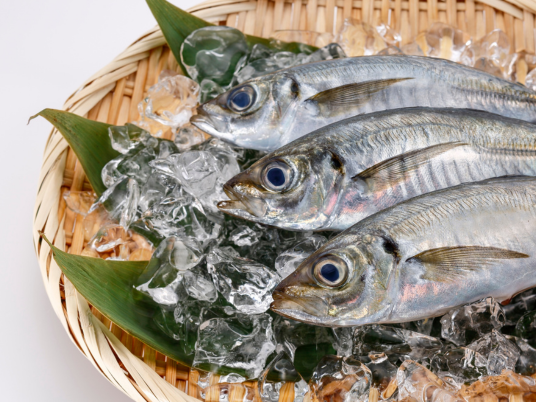
One of the easiest ways to answer how to choose fresh fish is to examine its overall physical appearance. Quality fish generally look clean, retain their natural appearance, and do not appear excessively dull.
Pay attention to the surface of the fish as well. Fresh fish typically have moist-looking skin, while their scales remain firmly attached. Scales that come off easily, an excessively dry surface, or unusual discoloration can be signs that the fish has experienced a decline in freshness.
The shape and structure of the fish should also be considered. Fresh fish generally maintain a relatively firm body structure. There should not be excessive physical damage or an unusual amount of slime on the surface.
After examining the external appearance, the inspection can continue by checking the eyes and gills, as these are among the easiest indicators of freshness to recognize.
Check the Fish's Eyes and Gills
The eyes are the indicator of how to choose fresh fish, Eyes is the one of the parts commonly used to assess fish freshness. In fresh fish, the eyes generally appear clear, naturally prominent, and not excessively cloudy. If the eyes look significantly sunken, cloudy, or have lost their natural clarity, this may indicate that the fish is no longer at its optimal level of freshness.
Next, examine the gills. Fresh fish generally have gills that appear bright red or pinkish-red, depending on the species. The gills should also not produce an unusually strong or unpleasant odor.
The eyes and gills should ideally be examined together with the other physical characteristics. A single indicator is not always sufficient to determine the quality of a fish because characteristics can vary depending on the species and storage conditions.
Recognize Freshness Through the Fish's Aroma
Aroma is another relatively simple indicator when purchasing seafood. Fresh fish generally have a mild, natural marine aroma that is not overly strong. This is different from a sour, rotten, or pungent smell, which may indicate a decline in quality.
When purchasing fish at a market, seafood shop, or from a supplier, it is reasonable to pay attention to its aroma. Fish that are properly stored under chilled conditions and handled correctly generally should not produce an unpleasant odor.
However, aroma should also be evaluated appropriately. Certain fish species naturally have a stronger characteristic aroma than others. Therefore, buyers should distinguish between the natural aroma of a particular species and an odor that indicates deterioration.
Check the Texture of the Fish Flesh
After examining the eyes, gills, and aroma, the texture of the flesh can provide another useful indication of freshness. Fresh fish generally have flesh that feels firm and resilient when gently pressed.
Flesh that is excessively soft, easily breaks apart, or remains indented after being gently pressed may indicate that the quality of the fish has declined. For whole fish, the body should also generally feel firm when handled.
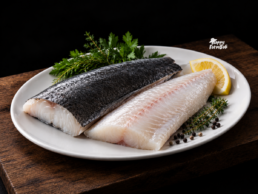
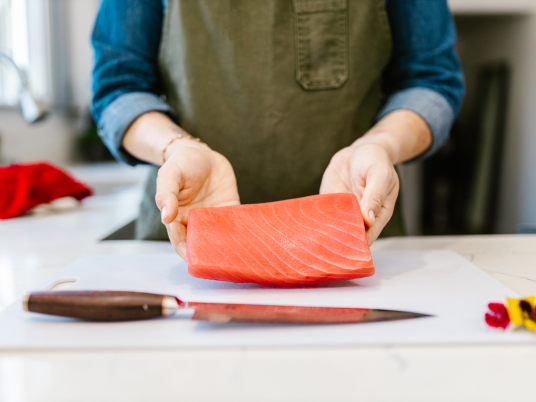
For fish products that have already been processed into fillets, checking the texture becomes even more important. Quality fillets generally have a color consistent with the characteristics of the species, a moist but not excessively slimy surface, and flesh with a structure that remains intact.
How to Determine Quality Fish for Household and Business Needs
 Every buyer may have different requirements when purchasing fresh fish. For household consumption, buyers may only need a few kilograms of fish for daily meals or special occasions. Meanwhile, restaurants, hotels, and catering businesses require larger quantities with relatively consistent quality.
Therefore, determining the quality of fish should not be based solely on its condition at the time of inspection. The source of the product should also be considered. A supplier with proper storage, packaging, and distribution processes can help maintain fish quality throughout the delivery process.
For culinary businesses, consistency is an equally important factor. Products that arrive in good condition are easier to process and can help businesses maintain the quality standards of the dishes they serve to customers.
Tips for Choosing a Fish and Seafood Supplier
How to choose fresh fish? In addition to understanding the physical characteristics of fresh fish, choosing the right supplier is also important. A reliable supplier should ideally be able to provide information about product varieties, availability, handling procedures, and seafood distribution systems.
Choose a supplier that pays attention to product hygiene and storage conditions. For seafood deliveries, temperature management is an important part of maintaining quality during transportation. Appropriate packaging can also help protect products from contamination and changes in condition throughout the distribution process.
Good communication with a supplier can also make sourcing easier. Restaurants and culinary businesses, for example, can discuss fish sizes, cuts, order quantities, and delivery schedules according to their operational requirements.
Happy Farm Bali as a Seafood Supplier in Bali
For those looking for fish and seafood products in Bali, choosing a supplier that can provide products according to specific requirements is an important step. Happy Farm Bali can be considered as an option for consumers and businesses looking for seafood products in Bali.
As a Seafood Supplier in Bali, Happy Farm Bali can be considered for various seafood needs, whether for households or the culinary sector. Choosing a local supplier can also make the sourcing process more practical, particularly when product requirements need to be coordinated with the operating schedules of restaurants, hotels, catering companies, or food businesses.
Ultimately, understanding how to choose fresh fish is not simply about determining whether a fish looks appealing. Clear eyes, healthy-looking gills, a natural aroma, firm flesh, and well-maintained skin and scales are some of the indicators that can be examined. By combining a proper physical inspection with the selection of a reliable supplier, consumers can choose fish products that are better suited to their specific needs.
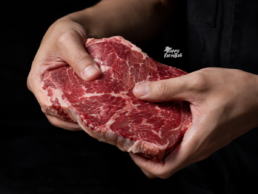
5 Most Tender Cuts of Beef and Their Versatility for Different Dishes
Choosing the right cut of beef is one of the keys to creating delicious dishes. Each part of the cow has different characteristics, ranging from texture and fat content to muscle fibers and tenderness. Therefore, understanding the Most Tender Cuts of Beef can help you determine which cut is best suited to the type of dish you want to prepare.
Tender beef is generally easier to cook and provides a softer texture when eaten. However, this does not mean that all tender cuts are limited to a particular type of dish. Some cuts are highly versatile and can be prepared as steaks, stir-fries, soups, roasts, and many other dishes.
Understanding the Characteristics of Different Beef Cuts
In general, a cow's body can be divided into several sections, each producing beef with distinct characteristics. These differences are influenced by muscle activity, the location of the cut, fat content, and the amount of connective tissue present in the meat.
Cuts from muscles that are frequently used for movement tend to have stronger muscle fibers. Meat from these areas is usually denser and requires specific cooking techniques to achieve a more tender texture. In contrast, cuts from muscles that are used less frequently generally have a softer texture.
In addition to tenderness, fat content is another important factor to consider. Intramuscular fat, commonly known as marbling, can provide a rich flavor while helping the meat retain moisture during cooking. Therefore, choosing Most Tender Cuts of Beef should not be based solely on the cut itself but should also take the intended cooking method into account.
The Most Popular Types of Beef Cuts
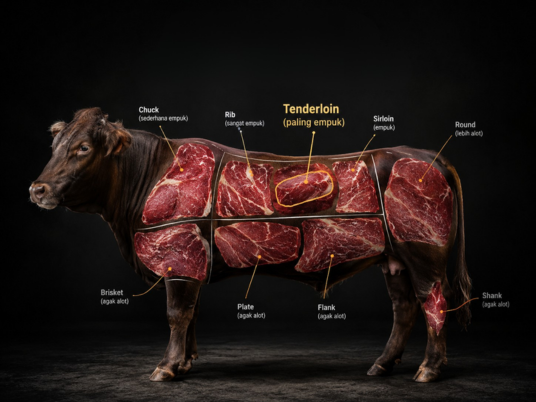 For everyday cooking, several beef cuts are particularly popular because they are versatile and suitable for a wide range of dishes. Tenderloin, sirloin, ribeye, and topside, for example, are commonly selected for both home cooking and restaurant use.
Tenderloin is known as one of the most tender cuts because it comes from a muscle that is relatively inactive. This cut is often used for steak and dishes where a soft, delicate texture is the main priority.
Meanwhile, ribeye is known for its prominent marbling. The fat distributed throughout the meat melts during cooking, creating a juicy texture and a richer flavor. This makes ribeye a popular choice for steaks and grilled dishes. Unlike tenderloin, which is primarily valued for its tenderness, ribeye offers a combination of tenderness and pronounced flavor.
Sirloin is another widely popular cut. Its texture is slightly firmer than tenderloin, but it can still be an excellent choice for steaks, stir-fries, and various other preparations. This versatility makes sirloin a practical option for many different cooking needs.
Cuts such as chuck, brisket, and shank, on the other hand, tend to contain more connective tissue. These cuts are generally better suited to slow cooking, braising, or boiling, where longer cooking times allow the connective tissue to break down and create a more tender texture.
Understanding Most Tender Cuts of Beef, these characteristics is an important first step when choosing beef. If tenderness is the main priority, several particular cuts can be considered top choices.
5 Most Tender Cuts of Beef
Every beef cut has its own advantages. However, if you are specifically looking for the Most Tender Cuts of Beef, there are several cuts that are generally recognized for their soft texture and versatility across different types of dishes.
1. Tenderloin
Tenderloin, also known as fillet, is one of the most well-known beef cuts for its exceptionally tender texture. It comes from the inner area near the backbone and is a muscle that experiences relatively little activity.
Its muscle fibers are fine, while its fat content tends to be lower compared with some other premium cuts. Because of its tenderness, tenderloin is particularly suitable for steaks, beef medallions, and grilled dishes.
The main advantage of tenderloin is its exceptional tenderness. However, because it contains relatively little fat, the cooking technique needs to be carefully controlled to prevent the meat from becoming too dry.
2. Ribeye
Ribeye comes from the area around the rib section and is known for its good level of marbling. The fat distributed between the muscle fibers melts during cooking, creating a juicy texture and a richer beef flavor.
This cut is a favorite for steaks and barbecues. Ribeye can also be sliced into smaller pieces for stir-fries or grilled dishes.
Compared with tenderloin, ribeye may have a slightly fuller texture. Nevertheless, the combination of relatively tender meat and generous marbling makes it one of the Most Tender Cuts of Beef and a popular choice among beef lovers.
3. Sirloin
Sirloin is a popular cut because it offers a good balance between texture, flavor, and price. Its muscle fibers are more noticeable than those of tenderloin, but with good-quality beef and the right cooking technique, sirloin can still produce a tender and enjoyable texture.
Sirloin is suitable for steaks, yakiniku, stir-fries, and a variety of grilled dishes. Its versatility makes it a practical choice for both home kitchens and food businesses.
If you are looking for beef that is relatively tender while still offering a distinct and satisfying beef flavor, sirloin can be an excellent alternative.
4. Striploin
Striploin comes from the loin area of the cow and is known for its relatively tender texture while retaining a more noticeable beef grain. This cut typically has an outer layer of fat that can add richness and savory flavor during cooking.
Striploin is commonly used for steaks and grilled dishes. It can also be sliced for various recipes that rely on quick cooking techniques.
Its characteristics place striploin somewhere between the tenderness of tenderloin and the more pronounced beef flavor of other cuts. As a result, it is a suitable option for those looking for a balance between tenderness and flavor.
5. Topside
Topside, which comes from the inner thigh area, has a relatively firm texture but can become tender when prepared and cooked using the right techniques. This cut is highly versatile and is commonly used in a wide range of beef dishes.
Topside can be prepared as roast beef, sliced beef, jerky, rendang, and many other dishes. To achieve the best texture, it is important to pay attention to the direction of the muscle fibers when slicing the meat.
Compared with the four premium cuts mentioned above, topside is generally leaner. Nevertheless, its versatility makes it a worthwhile option when looking for high-quality beef for different types of cooking.
How to Choose the Right Beef Cut for Your Dish
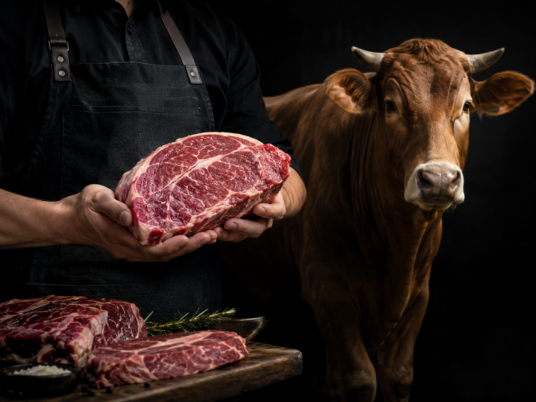 After understanding Most Tender Cuts of Beef, the characteristics of different cuts, the best approach is to match the beef with the cooking method. For steaks that require relatively short cooking times, tenderloin, ribeye, sirloin, and striploin can be excellent choices.
For dishes that require longer cooking times, however, you do not necessarily need to choose the most tender cut. Brisket, chuck, and shank can actually produce rich and flavorful results when cooked slowly. The connective tissue within these cuts gradually breaks down during the cooking process, resulting in a softer and more enjoyable texture.
In addition to the type of cut, meat freshness is equally important. Color, aroma, surface condition, storage practices, and a reliable cold chain should all be considered to help maintain beef quality from purchase to preparation.
Happy Farm Bali, a Quality Beef Supplier for Various Needs
Choosing the Most Tender Cuts of Beef becomes even more worthwhile when the meat comes from a supplier that pays close attention to product quality and proper handling. For beef needs in Bali, Happy Farm Bali can be considered as one of the beef suppliers worth exploring.
As a best meat supplier, product quality is an important factor because it can directly influence the final result of a dish. Beef that is properly handled and stored can be used more effectively for a variety of needs, whether for home cooking, restaurant menus, or food-service businesses.
Ultimately, there is no single cut that is absolutely the best for every dish. Tenderloin excels in tenderness, ribeye offers generous marbling and rich flavor, while sirloin and striploin provide a balance between texture and taste. Topside also has its own advantages for a variety of preparations.
By understanding the characteristics of each beef cut, choosing beef becomes more than simply looking for the most tender option. It becomes about selecting the right cut for the specific dish and cooking method. And when beef quality is a priority, choosing a top quality meat supplier such as Happy Farm Bali can help ensure that the ingredients you use are of suitable quality for creating delicious and satisfying beef dishes.
Meat Distribution for Hospitality: Industry: Restaurants, Hotels & Catering in Bali
Meat Distribution for Hospitality - Bali is widely recognized as one of the world’s leading tourism destinations, with a rapidly growing hospitality industry. The expansion of hotels, restaurants, villas, beach clubs, and catering businesses has created a consistent demand for reliable, high-quality food ingredients. Among these ingredients, meat plays an important role in daily hospitality operations.
For hospitality businesses, meat availability is not simply a matter of purchasing products in a certain quantity. Meat must be available according to operational requirements, maintain consistent quality, be handled under appropriate storage standards, and be delivered according to kitchen schedules. This is why Meat Distribution for Hospitality has become an important part of the food supply chain in Bali’s hospitality industry.
Understanding Meat Distribution for Hospitality Needs in Bali

Meat requirements within the hospitality sector have different characteristics compared with household consumption. Restaurants need supplies based on their menus and customer volume, hotels must adjust their inventory according to occupancy levels and various activities such as banquets and events, while catering companies may require large quantities of meat at specific times.
These differences mean that distributors need to provide flexible services. Orders may vary in terms of cut specifications, weight, product type, and delivery frequency. A distributor that understands the characteristics of the hospitality industry will be better positioned to adjust its procurement and distribution system to meet individual customer requirements.
Beyond quantity, consistent quality is also a major consideration. Professional kitchens require relatively uniform ingredients so that food preparation can follow established recipes and standards. When the quality of raw ingredients varies, the final result can also be affected.
For this reason, Meat Distributor for Hospitality should be viewed as a complete system covering procurement, storage, inventory management, order processing, and delivery to customers.
Meat Distributors for Hospitality as B2B Partners
Within the hospitality industry, a Distribusi Daging untuk Hospitality plays a much larger role than simply selling raw ingredients. The relationship between a distributor and hotels, restaurants, or catering companies is a B2B or business-to-business relationship, making service consistency an important factor.
Hospitality businesses need suppliers that understand their purchasing patterns. A restaurant, for example, may require deliveries on a regular weekly basis. A hotel with higher operational volume may require larger orders and a more structured delivery schedule. Meanwhile, a catering company may experience increased demand when handling large-scale events.
Under these circumstances, communication between distributors and customers becomes essential. Information regarding stock availability, product specifications, order quantities, delivery schedules, and special requirements must be managed effectively.
A distributor capable of building professional B2B relationships can ultimately become part of a customer's supply chain rather than simply serving as a place to make purchases.
Large-Scale Capacity to Support Distribusi Daging untuk Hospitality
The scale of demand is one of the key differences between the hospitality market and general consumers. A restaurant may require dozens of kilograms of meat over a certain period, while a hotel or catering company may have significantly larger requirements.
Therefore, storage capacity and inventory management are important factors when selecting a distributor. A distributor must be able to maintain product availability while managing inventory turnover so that customer requirements can be fulfilled consistently.
Happy Farm Bali is one Distribusi Daging untuk Hospitality that targets B2B customers, including restaurants, hotels, and catering businesses. According to the company's information, Happy Farm Bali has storage facilities with a capacity of up to 5,000 kg of products. This capacity provides an indication of the company's ability to handle larger-scale distribution requirements.
For hospitality businesses, this capability can be an important consideration, particularly for companies that require regular supplies in larger volumes. However, actual fulfillment capacity should still be confirmed based on product type, order quantity, and stock availability at the time of purchase.
Maintaining Quality Through Storage and Cold Chain Systems
Meat distribution requires particular attention because of the nature of the product. Meat can experience quality deterioration if it is not handled properly. Storage and transportation processes must therefore take into account appropriate temperatures and product hygiene.
The cold chain is an important part of this process. Frozen products, for example, require storage at suitable temperatures to help maintain their condition while being held at the distributor's facility.
Happy Farm Bali states that it uses freezer facilities operating at temperatures of up to -18°C for frozen product storage. During the distribution process, the company also uses refrigerated delivery vehicles.
This system is an important aspect of supporting Meat Distribution for Hospitality, as products pass through several stages before eventually reaching the customer's kitchen. Effective cold chain management helps increase the likelihood that product conditions remain properly maintained throughout the distribution process.
Delivery Areas Supporting Hospitality Businesses in Bali
Hospitality businesses in Bali are spread across numerous areas. Major concentrations of restaurants, hotels, and tourism-related businesses can be found in Denpasar, Kuta, Seminyak, Canggu, Jimbaran, Nusa Dua, and other areas.
For distributors, delivery coverage is an important operational challenge. Food deliveries need to be properly planned so that products reach customers according to their schedules.
Happy Farm Bali provides delivery services to several major areas in Bali, including Denpasar, Kuta, Seminyak, Canggu, Jimbaran, and Nusa Dua. For locations outside these areas, delivery requirements can be discussed and adjusted according to the specific order and circumstances.
This type of Distribusi Daging untuk Hospitality coverage can provide added value for hospitality businesses looking for suppliers with a relatively broad service area. Well-planned delivery schedules can also help purchasing and kitchen teams manage their inventory more effectively.
Product Selection for Various Professional Kitchen Requirements
Meat requirements within the hospitality industry are not always the same. Steak restaurants may require premium cuts with specific characteristics, while hotels and catering companies generally need a wider range of products to support diverse menus.
Happy Farm Bali offers various meat products, including beef cuts such as rib eye, sirloin, tenderloin, picanha, short ribs, brisket, and minced beef. In addition to beef, the company also offers lamb products and various seafood options.
A diverse product selection can help hospitality businesses simplify their procurement process. When several protein requirements can be sourced from a single Distribusi Daging untuk Hospitality, communication, ordering, and delivery arrangements can become more coordinated.
For businesses with demanding daily operations, procurement efficiency is naturally an important consideration. A distributor with a broad product selection can become a more practical partner for regular supply requirements.
Client Testimonials as an Indicator of Customer Experience
In B2B business, customer experience is one factor that can help prospective customers assess a distributor's reputation. Testimonials can provide insight into previous customers' experiences with both products and services.
Happy Farm Bali features several customer testimonials from clients who use its services as a supplier. These customer statements highlight aspects such as service consistency and their experience working with the company.
Although testimonials can be a useful consideration, hospitality businesses should still conduct a comprehensive evaluation before selecting a distributor. Factors to consider may include product quality, cut specifications, order fulfillment capacity, storage systems, delivery schedules, and B2B service mechanisms.
By conducting this evaluation, hotels, restaurants, and catering companies can ensure that their selected Distribusi Daging untuk Hospitality is genuinely aligned with their operational requirements.
Happy Farm Bali as a Meat Distribution for Hospitality Market
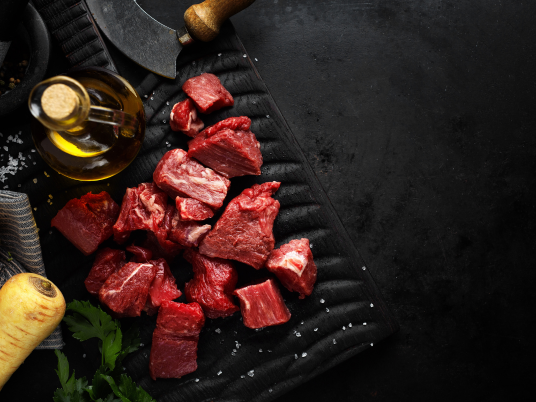
Happy Farm Bali is a Meat Distribution for Hospitality focused on providing meat and seafood products for businesses in Bali. With target customers including restaurants, hotels, catering companies, supermarkets, and other businesses, the company operates within the B2B distribution segment, where supply consistency is essential.
In terms of capacity, product variety, storage systems, and delivery coverage, Happy Farm Bali has several characteristics that are relevant to hospitality industry requirements. This approach allows the distributor to serve customers with different needs, ranging from restaurants requiring regular supplies to customers requiring larger-volume deliveries.
However, every business has its own procurement standards. Therefore, prospective customers are still advised to discuss their requirements directly, particularly regarding product specifications, order quantities, delivery schedules, pricing, and partnership requirements.
Why Choosing the Right Distributor Matters
The choice of distributor can have a direct impact on kitchen operations. When supplies are unavailable or deliveries encounter problems, restaurants and hotels may face difficulties preparing their menus and maintaining normal service.
Conversely, a distributor capable of providing consistent products can help businesses maintain operational stability. Purchasing teams can develop better procurement plans, while kitchen teams can work with raw ingredients that meet their established standards.
Ultimately, successful Meat Distribution for Hospitality is not determined solely by the ability to provide products. Factors such as capacity, consistency, storage quality, delivery coverage, product variety, and B2B communication also play equally important roles.
Conclusion: Happy Farm Bali as a Hospitality Distribution Solution in Bali
The continued growth of Bali's hospitality industry is creating an increasing need for professional food supply and distribution systems. Restaurants, hotels, and catering companies require distributors capable of supplying products according to their needs, maintaining quality during storage, and providing reliable delivery services.
Happy Farm Bali can be considered as one of the options for a Meat Distribution for Hospitality solution in Bali. With large-scale storage capacity, a diverse product selection, B2B services, refrigerated storage and delivery systems, and delivery coverage across several major areas of Bali, Happy Farm Bali offers a distribution approach that aligns with the requirements of hospitality businesses.
For restaurants, hotels, catering companies, and food service businesses looking for a meat supplier in Bali, choosing a distributor that understands hospitality operations is an important step toward building a stable supply chain.
By considering product availability, capacity, service, distribution areas, and B2B partnership requirements, Happy Farm Bali is worth considering as a Meat Distribution for Hospitality across Bali.
If Meat Could Talk, They Would Choose a Trusted Meat Supplier to Handle It
In the culinary world, the quality of a dish is often determined by the quality of its ingredients. No matter how skilled a chef is, if the main ingredient has lost its freshness or quality during handling and distribution, the final result will never reach its full potential. This is why partnering with a Trusted Meat Supplier is essential, especially for restaurants, hotels, catering businesses, supermarkets, and other food service industries.
Now, let's imagine something for a moment. What if a piece of meat could actually talk? It might say, "Please don't handle me carelessly. Store me at the right temperature, transport me in refrigerated vehicles, and make sure I arrive at the customer's kitchen in perfect condition."
It may sound like a playful idea, but it perfectly illustrates how important proper meat handling is from the moment it is processed until it reaches the customer. This is why choosing a Trusted Meat Supplier is not merely a business decision—it is an investment in product quality and customer satisfaction.
Why Proper Meat Handling Is Essential for Quality
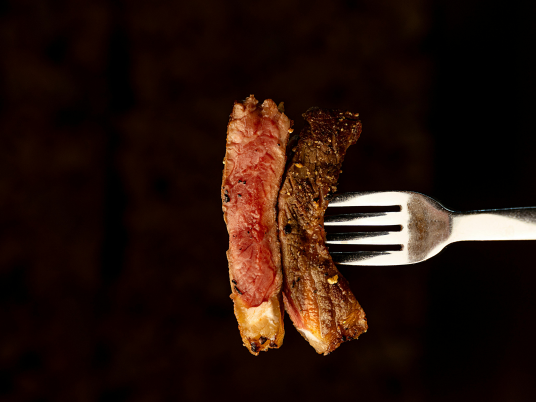
Meat is a highly perishable product that is extremely sensitive to changes in temperature, humidity, and storage conditions. Even minor mistakes during handling can affect its texture, color, aroma, and food safety.
Imagine a premium cut of beef sourced from high-quality livestock. If the storage temperature fluctuates during distribution, its beautiful marbling and overall quality may deteriorate. The same applies to chicken, lamb, and seafood, all of which require specialized handling to maintain their freshness.
This is where a Trusted Bali Meat Supplier truly makes a difference. They understand that quality begins not only with premium products but also with how those products are handled throughout the entire supply chain.
If Meat Could Talk, This Is How It Would Want to Be Treated
Let's continue with the same imaginative scenario.
If a premium cut of beef could express its wishes, it might say:
"Please chill me immediately at the correct temperature so I can stay fresh."
Then it might continue,
"Don't leave me at room temperature for too long. Store me in a proper cold storage facility and transport me using refrigerated vehicles."
And during the journey to the customer,
"Make sure I arrive without losing any of my quality because every customer deserves to receive me at my very best."
Although this is simply a metaphor, it reflects reality. Premium-quality meat requires professional handling—from storage and packaging to transportation. These are the standards consistently maintained by a Trusted Meat Supplier.
The Handling Standards of a Trusted Meat Supplier
Maintaining meat quality involves much more than sourcing premium products. It requires a series of carefully managed processes to ensure that the quality remains unchanged when it reaches the customer.
Temperature-Controlled Storage
Cold storage is one of the most critical factors in preserving meat freshness. Different types of meat require specific storage temperatures to maintain their optimal quality.
With proper temperature control, meat retains its natural color, texture, and nutritional value.
Hygienic Packaging
In addition to storage temperature, packaging also plays a crucial role.
Professional suppliers use packaging specifically designed to protect meat from contamination while preserving its natural moisture. Proper packaging also helps extend shelf life without compromising product quality.
This attention to detail is what distinguishes an ordinary supplier from a Trusted Meat Supplier.
Cold Chain Distribution
Maintaining meat quality doesn't end in the warehouse.
Throughout transportation to restaurants, hotels, or customers, the required temperature must be consistently maintained through an effective cold chain system. Refrigerated delivery vehicles ensure that products remain in ideal condition until they reach the customer's kitchen.
As a result, the quality leaving the warehouse is the same quality received by the customer.
Consistent Quality Control
Professional suppliers do more than simply deliver products.
They perform regular quality inspections from product receiving and storage to the final shipping process. Every stage follows strict quality standards, ensuring customers receive consistently high-quality products with every order.
The Benefits of Working with a Trusted Meat Supplier
For businesses in the food and hospitality industry, choosing the right supplier offers significant long-term advantages.
1. Consistent Product Quality
Customers return when they enjoy the same excellent taste every time they visit.
That level of consistency can only be achieved when the raw ingredients maintain stable quality. This is one of the greatest benefits of partnering with a Trusted Meat Supplier.
2. Enhanced Food Safety
Professional handling according to established standards minimizes contamination risks and helps maintain food safety.
This is especially important for hotels, restaurants, and food businesses that prioritize strict hygiene standards.
3. Greater Operational Efficiency
Products delivered in excellent condition reduce waste and minimize product losses.
Businesses can avoid unnecessary costs caused by damaged or unusable products, leading to more efficient daily operations.
4. Reliable Supply Availability
A consistent inventory is essential for every culinary business.
A reliable supplier can maintain stable product availability, ensuring business operations continue without interruption.
5. Higher Customer Satisfaction
Ultimately, customers enjoy the results of every process behind the scenes.
Fresh, high-quality meat delivers better flavor, superior tenderness, and a more satisfying dining experience.
A Trusted Meat Supplier Is More Than Just a Vendor
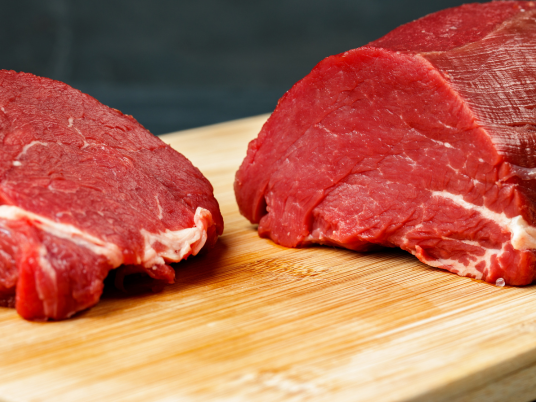
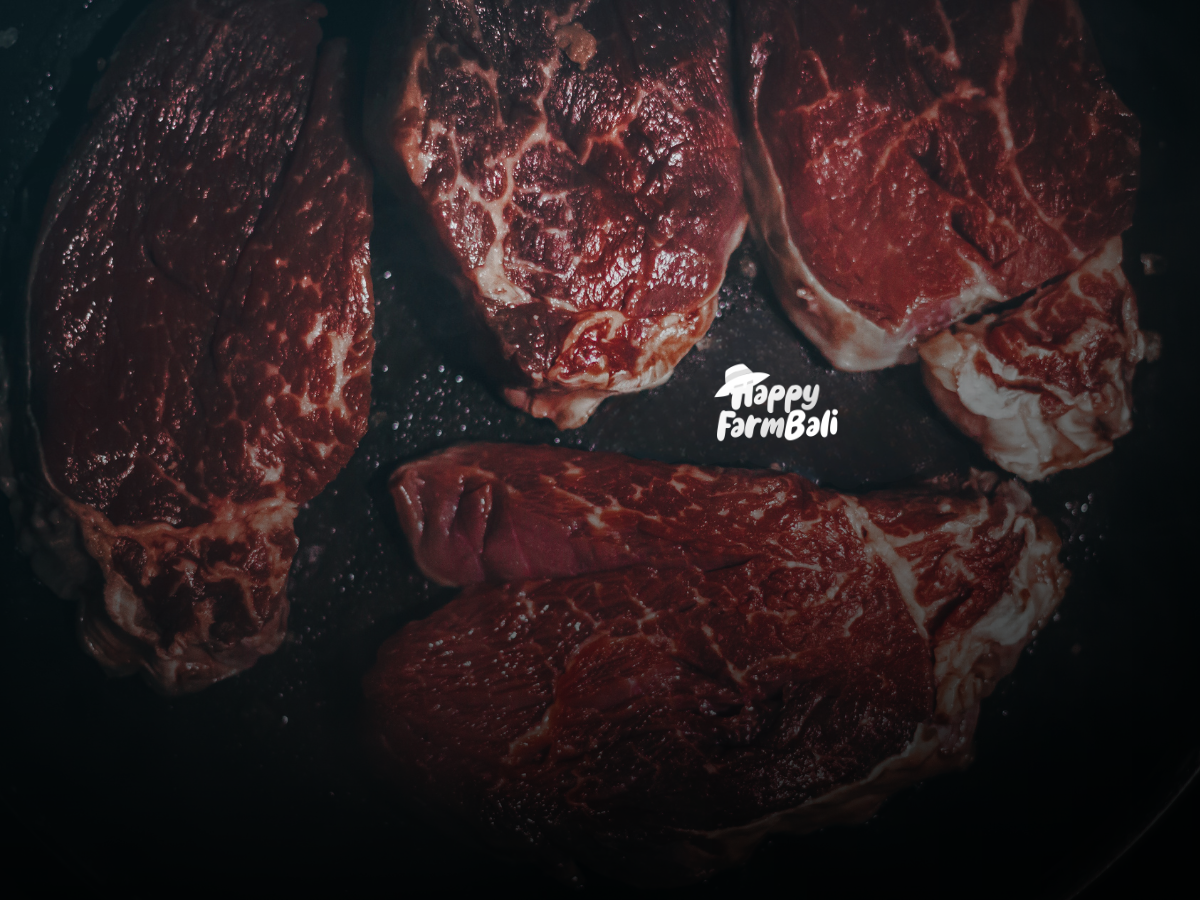
Many businesses still see suppliers as companies that simply sell raw ingredients. In reality, a professional supplier plays a much bigger role.
They become a trusted business partner who helps maintain menu quality, supports smooth operations, and ensures that every customer enjoys the best possible dining experience.
When a supplier truly understands the importance of quality, customers naturally experience the benefits—even without knowing everything that happens behind the scenes.
That is why choosing a Trusted Meat Supplier is about much more than finding competitive prices. It is about partnering with a company that upholds high standards and remains committed to delivering excellence.
Happy Farm Bali, the No.1 Trusted Meat Supplier in Bali
If you are looking for a Trusted Meat Supplier in Bali, Happy Farm Bali is a name worth considering.
Happy Farm Bali understands that every cut of meat deserves exceptional care from the moment it is selected until it reaches the customer's hands. From carefully sourcing premium products and maintaining proper cold storage to hygienic packaging and reliable cold chain distribution, every step follows strict quality standards.
Beyond offering a wide selection of premium meat products, Happy Farm Bali is committed to providing professional service for hotels, restaurants, villas, cafés, catering businesses, supermarkets, and various sectors of the food service industry.
This dedication to quality has made Happy Farm Bali a trusted partner for countless businesses across Bali seeking consistent, safe, and premium-quality meat products.
Returning to our earlier imagination, if meat could actually speak, it might smile at the end of its journey and say,
"Thank you for taking good care of me. Now I can arrive at the dining table in perfect condition and deliver the exceptional culinary experience every customer deserves."
Of course, this is only a metaphor. However, the message behind it is very real. Premium-quality meat can only remain premium when it is handled by professionals who understand every detail of proper meat management.
That is why, when quality is your highest priority, choosing Happy Farm Bali as your No.1 Trusted Meat Supplier in Bali is the right decision to ensure every cut of meat remains fresh, safe, and ready to deliver outstanding flavor to every customer.
High-Quality Meat: Small Details That Boost Sales Without You Even Noticing
In the business world, success is often determined by seemingly small details that create a significant impact over time. Many companies focus on marketing strategies, competitive pricing, and promotional campaigns to attract customers. However, one crucial factor is frequently overlooked: the consistent quality of the products customers receive. No matter how attractive a marketing strategy may be, inconsistent product quality will eventually erode customer trust.
One of the clearest examples can be found in the meat supply and distribution industry. High-Quality Meat is more than just a commodity—it represents a supplier's commitment to excellence and customer satisfaction. Quality, consistency, and service form the foundation that determines whether a business can achieve long-term growth or merely enjoy short-term profits.
In this article, we will explore how High-Quality Meat serves as a small yet powerful detail that quietly boosts sales while strengthening a company's reputation.
Why Product Quality Determines Business Success
Across every industry, product quality plays a critical role in building customer loyalty. Modern consumers are no longer driven solely by low prices; they expect every purchase to meet the same high standard each time they place an order.
For suppliers and distributors, quality is not simply about offering a good product. It is about consistently meeting customer expectations without compromise. When customers are confident that every delivery will meet their standards, they are more likely to make repeat purchases without relying on promotional incentives.
This is precisely why many established businesses prefer partnering with suppliers that consistently deliver superior quality rather than those competing only on price.
Understanding this principle naturally leads to an important question: what actually defines High-Quality Meat, and how is it produced?
What Is High-Quality Meat?
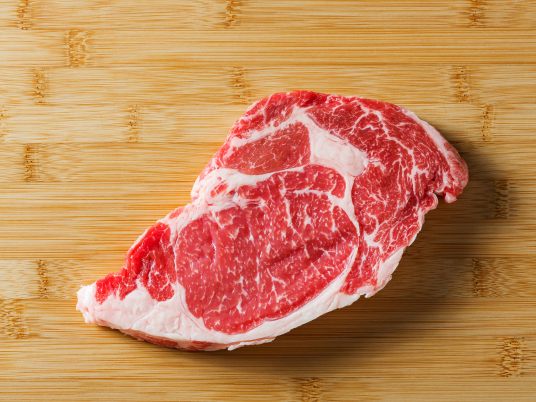 High-Quality Meat refers to meat that meets superior quality standards throughout every stage of production—from livestock selection and animal care to processing, storage, and final distribution.
Generally, High-Quality Meat possesses several key characteristics, including:
- Fresh, natural color.
- Firm yet tender texture.
- Balanced fat distribution throughout the meat.
- Fresh aroma without unpleasant odors.
- Hygienically processed under strict food safety standards.
- Delivered through a properly maintained cold chain system.
These qualities are never achieved by chance. Instead, they result from disciplined quality control and careful attention throughout the entire supply chain.
For this reason, suppliers capable of consistently producing High-Quality Meat create value that extends far beyond the product itself. They provide customers with confidence and reliability that directly support business performance.
How Is High-Quality Meat Produced?
Producing High-Quality Meat Product requires careful attention to every stage of the supply chain. Each process contributes to preserving freshness, safety, and consistency until the product reaches the customer.
It begins with selecting healthy livestock raised under proper farming practices. Ethical animal care and controlled feeding programs help establish the foundation for premium meat quality.
The processing stage is equally important. Meat must be handled according to strict hygiene and food safety protocols to maintain its freshness and nutritional value.
Temperature control then becomes one of the most critical factors. Proper refrigeration and cold storage help preserve freshness while minimizing quality deterioration.
Finally, professional distribution ensures that refrigerated transportation maintains the ideal temperature throughout delivery, allowing customers to receive meat in optimal condition regardless of shipping distance.
In other words, High-Quality Meat is the result of an integrated quality management process rather than simply an attractive final product.
High-Quality Meat Is Proof of Trust
In the supplier industry, trust is one of the most valuable business assets.
Every customer places their business operations in the hands of their supplier. Restaurants, hotels, catering companies, supermarkets, and other food service businesses rely on receiving premium ingredients every day.
If meat quality declines, the consequences quickly affect the end customer. Food quality becomes inconsistent, presentation suffers, and customer satisfaction begins to decline.
For this reason, High-Quality Meat serves as tangible proof that a supplier is committed to delivering excellence. Superior products demonstrate that a supplier is not merely selling meat but actively protecting the reputation of every client they serve.
Over time, this commitment builds stronger business relationships based on mutual trust and long-term cooperation.
The Best Beef Supplier Always Prioritizes Consistency
Many businesses can deliver excellent products occasionally. Only a select few can maintain the same high standards consistently over time.
This is what distinguishes the Best Beef Supplier from an average supplier.
Consistency means customers receive the same level of quality with every order. There should be no variation in freshness, texture, appearance, or overall product standards.
Consistent supply provides numerous advantages, including:
- Helping customers maintain consistent product quality.
- Reducing customer complaints.
- Improving operational efficiency.
- Supporting better end-customer satisfaction.
- Building long-term business partnerships.
When suppliers consistently meet quality expectations, customers no longer feel the need to seek alternative providers. The relationship evolves into a reliable business partnership that benefits both parties.
The Small Details Often Overlooked: Quality, Consistency, and Service
Many businesses become overly focused on pricing while overlooking the three factors that truly differentiate professional suppliers: quality, consistency, and service.
Quality ensures that products meet premium standards.
Consistency guarantees that those standards remain unchanged over time.
Meanwhile, excellent service creates a positive customer experience throughout the business relationship.
Suppliers that provide responsive communication, on-time deliveries, reliable problem-solving, and dependable customer support are significantly more likely to retain long-term clients than suppliers competing only on lower prices.
Ultimately, customers are not simply purchasing products—they are investing in confidence that their business operations will continue running smoothly.
These three elements may appear to be minor details, yet they often become the primary reasons customers remain loyal for years.
How High-Quality Meat Quietly Increases Sales
The relationship between High-Quality Meat and increased sales is remarkably straightforward.
- Superior products create satisfied customers.
- Satisfied customers place repeat orders.
- Repeat orders generate stable revenue.
- Stable revenue creates opportunities for long-term business growth.
In addition, satisfied customers frequently recommend trusted suppliers to colleagues and business partners. This type of word-of-mouth marketing is often more valuable than expensive advertising campaigns.
At the same time, suppliers reduce losses associated with product returns, customer complaints, and reputational damage.
Rather than viewing quality as an additional expense, successful businesses recognize it as a long-term investment that consistently generates measurable returns.
Choosing a High-Quality Meat Supplier for Sustainable Business Growth
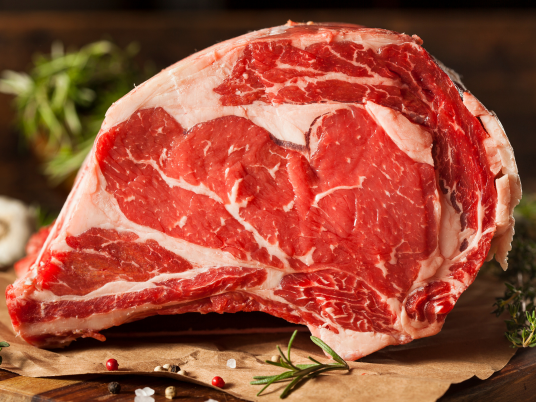 Selecting a supplier should involve much more than comparing prices. Businesses should evaluate operational standards, quality assurance systems, industry reputation, and the supplier's ability to consistently meet customer expectations.
Professional suppliers implement strict quality control procedures, maintain reliable distribution systems, and prioritize responsive customer service throughout the partnership.
The stronger a supplier's commitment to quality, the greater the opportunity for customers to maintain their own reputation and consistently satisfy their end consumers.
For this reason, partnering with a supplier that prioritizes excellence is a strategic investment capable of delivering lasting business value.
Happy Farm Bali: Your Trusted Supplier of High-Quality Meat in Bali
For businesses seeking exceptional quality, dependable consistency, and professional service, Happy Farm Bali stands out as a trusted High-Quality Meat Supplier in Bali.
Happy Farm Bali is committed to delivering premium meat products through carefully controlled handling processes, reliable distribution systems, and customer-focused service. This commitment enables the company to build lasting partnerships with restaurants, hotels, cafés, catering businesses, supermarkets, and many other food service operations.
More than simply supplying meat, Happy Farm Bali understands that every product delivered becomes part of its clients' own reputation. Therefore, maintaining consistent quality and dependable service remains a top priority, allowing customers to operate their businesses with complete confidence.
Ultimately, High-Quality Meat represents far more than fresh, premium products. It reflects a supplier's commitment to preserving customer trust through quality, consistency, and exceptional service. In the supplier and distribution industry, these seemingly small details often become the defining factors behind sustainable business success. When quality is consistently maintained, customer loyalty grows, business reputation strengthens, and sales increase naturally over time. That is why choosing a trusted partner like Happy Farm Bali is an important investment for businesses looking to thrive in today's increasingly competitive marketplace.
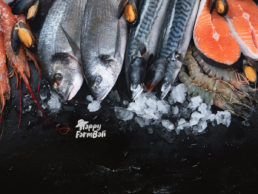
The Seafood Is Fresh—and It’s No Accident: This Is How Professional Bali Seafood Suppliers Work
Fresh seafood is one of the most important factors that determine the quality of any seafood-based dish. For food businesses such as seafood restaurants, hotels, cafés, catering services, and seafood processing companies, the quality of raw ingredients serves as the foundation for maintaining flavor, customer satisfaction, and business reputation. It is no surprise that many business owners are highly selective when choosing Bali Seafood Suppliers capable of delivering consistently high-quality products.
However, many people still assume that seafood freshness depends solely on the catch itself. In reality, seafood that remains fresh until it reaches consumers is the result of a long and carefully controlled process. From post-harvest handling and storage to distribution and delivery, every stage must follow strict standards.
So, how do professional Bali Seafood Suppliers maintain seafood quality and freshness? Here is a complete overview.
The Importance of Fresh Seafood for Food Businesses
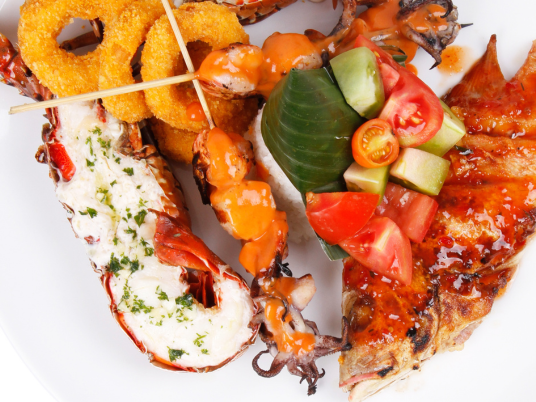
In the food industry, ingredient quality is always a top priority. This becomes even more critical when dealing with seafood products, which are highly sensitive to temperature changes and storage conditions.
Fresh seafood not only offers superior taste but also delivers better texture, a more natural aroma, and well-preserved nutritional value. On the other hand, seafood that is no longer fresh can negatively affect the overall quality of a dish and may pose food safety risks.
For restaurants and culinary businesses that rely on seafood-based menus, maintaining consistent quality is essential. Customers who enjoy a satisfying dining experience are more likely to return and recommend the business to others. For this reason, partnering with Trusted Bali Seafood Suppliers becomes a crucial part of ensuring business success.
In addition, growing consumer awareness regarding food quality has encouraged businesses to become more selective when choosing Bali Seafood Suppliers. Fresh seafood is no longer considered an added advantage—it is now an expected standard.
Bali Seafood Suppliers: Seafood Freshness Does Not Happen by Chance
Many people enjoy fresh seafood at restaurants or markets without realizing the extensive process behind it. In reality, maintaining seafood freshness requires an organized system and continuous monitoring.
Once seafood is caught or harvested, it must be handled immediately using proper methods to slow bacterial growth and preserve product quality. Time is a critical factor because the longer seafood remains outside ideal temperature conditions, the faster its quality deteriorates.
Cooling procedures typically begin as soon as the seafood is harvested. This stage is designed to maintain freshness before the products move on to sorting and distribution.
Next, seafood must be stored at appropriate temperatures throughout transportation. Consistent temperature control is one of the most important factors in ensuring products remain fresh when they reach their destination.
In other words, the fresh seafood served on customers’ plates is the result of an efficient supply chain management system. Without proper processes in place, maintaining seafood quality would be extremely difficult.
The Essential Role of Bali Seafood Suppliers in Preserving Freshness
As demand for premium seafood continues to grow, the role of Bali Seafood Suppliers becomes increasingly important. Suppliers are not only responsible for selling products but also for preserving quality from the moment products are received until they are delivered to customers.
Professional suppliers typically follow clear procedures for handling different types of seafood. Product receiving, quality inspections, storage, and delivery are all carried out according to strict operational standards.
Beyond maintaining freshness, suppliers serve as a critical link between seafood producers and food businesses. They ensure that every product delivered to customers has undergone proper selection and quality control processes.
Furthermore, experienced suppliers understand the unique characteristics of each seafood category. Different products such as fish, shrimp, shellfish, squid, and lobster require different handling methods. This expertise plays a significant role in preserving product quality throughout the distribution process.
That is why choosing professional Bali Seafood Suppliers is about more than finding competitive pricing—it is about ensuring consistent ingredient quality at all times.
Standards That Professional Seafood Suppliers Must Meet
To consistently maintain seafood quality and freshness, professional suppliers must comply with several important standards.
1. Strict Product Selection
The process begins with selecting products that meet quality requirements. Bali Seafood Suppliers must inspect seafood based on physical characteristics such as color, aroma, texture, and overall freshness.
Products that fail to meet established standards should not proceed to the distribution stage. This step is essential for maintaining the quality expected by customers.
2. Well-Maintained Cold Chain System
A cold chain system refers to temperature-controlled handling from the moment products are received until they are delivered to customers.
Storage temperatures must be maintained according to the requirements of each seafood category. Any disruption within the cold chain can lead to quality degradation and increase the risk of spoilage.
For this reason, professional Bali Seafood Suppliers typically invest in proper storage facilities and refrigerated transportation systems to support distribution activities.
3. Hygiene and Food Safety Standards
Cleanliness is a non-negotiable aspect of the seafood industry. Bali Seafood Suppliers must ensure that storage facilities, equipment, and handling processes meet strict sanitation requirements.
Consistent hygiene practices help minimize contamination risks and maintain product safety before seafood reaches customers.
4. Quality Control Systems
Reliable suppliers generally implement dedicated quality control procedures or teams responsible for conducting routine inspections.
Quality control helps ensure that products meet customer specifications and expectations. With effective monitoring systems in place, the risk of delivering substandard products can be significantly reduced.
5. On-Time Distribution
Seafood freshness is heavily influenced by delivery speed. Therefore, suppliers must have logistics systems capable of ensuring timely deliveries.
Punctual delivery is an important aspect of professional service because delays can directly affect both product quality and customer operations.
Customer Trust Is the Key to Long-Term Partnerships
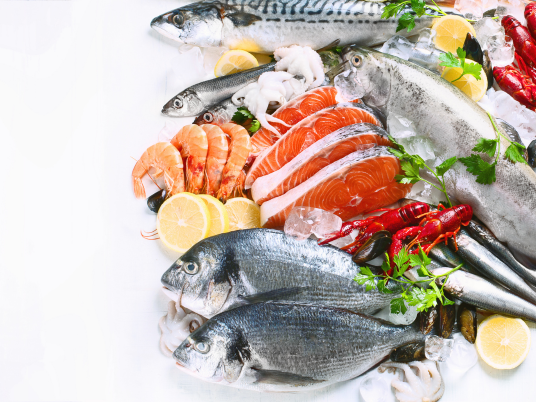
In the seafood industry, trust carries tremendous value. The relationship between suppliers and customers is built not only through transactions but also through consistent service and dependable product quality.
Customers naturally expect seafood that is fresh, safe, and readily available when needed. When suppliers consistently meet these expectations, trust develops naturally over time.
In addition to product freshness, stock availability is another crucial factor. Many food businesses depend on reliable seafood supplies to maintain smooth daily operations. Product shortages can disrupt service and negatively affect end-customer satisfaction.
At the same time, delivery reliability is a strong indicator of a supplier’s professionalism. Consistently on-time deliveries allow businesses to manage inventory more effectively and efficiently.
When these three elements—freshness, stock availability, and delivery accuracy—are maintained consistently, strong and long-lasting business partnerships become much easier to establish.
Choosing the Right Bali Seafood Suppliers for Your Business
Selecting a best seafood supplier should never be taken lightly. Business owners must evaluate multiple factors to ensure they partner with a supplier they can depend on.
Company reputation, product quality standards, cold chain management capabilities, stock availability, and customer service quality are all important considerations. Suppliers with well-established systems and procedures are generally better equipped to provide consistent product quality than those operating without clear standards.
Additionally, responsive communication and the ability to accommodate customer requirements add significant value to long-term business relationships.
Happy Farm Bali: A Recommended Seafood Supplier in Bali
As demand for high-quality seafood continues to increase, choosing the right supply partner becomes a strategic decision for every food business. A professional supplier does more than provide products—they help businesses maintain the quality standards customers expect.
One recommended option among Bali Seafood Suppliers is Happy Farm Bali. With a commitment to product quality, seafood freshness, consistent stock availability, and reliable delivery services, Happy Farm Bali serves as a trusted partner for a wide range of food and beverage businesses.
By implementing strong product handling standards and prioritizing customer satisfaction, Happy Farm Bali provides seafood supply solutions that support smooth and sustainable business operations.
Ultimately, fresh seafood is never a matter of luck. Behind every high-quality seafood product served to customers lies a combination of proper processes, efficient systems, and professional commitment. That is why partnering with trusted Bali Seafood Suppliers such as Happy Farm Bali can be a valuable investment in maintaining quality, protecting your reputation, and supporting long-term business growth.
Behind the Perfect Seafood and Sushi Dishes, There’s the Role of Imported Salmon Suppliers
Enjoying premium seafood, sushi, or sashimi is a culinary experience that many people appreciate. The delicate texture, fresh taste, and exceptional quality of the ingredients are key factors that determine customer satisfaction. Behind every perfectly served slice of salmon on a restaurant table, there is a long process involving multiple parties, including the crucial role of Imported Salmon Suppliers as providers of high-quality raw materials.
Many people judge the quality of a seafood restaurant or Japanese restaurant solely by the taste of its dishes. However, consistent flavor cannot be separated from the quality of the ingredients used. When it comes to salmon-based menus, freshness and food safety standards must be maintained at the highest level. This is why Imported Salmon Suppliers play a vital role in the success of premium culinary businesses.
Seafood Quality Determines Dish Quality
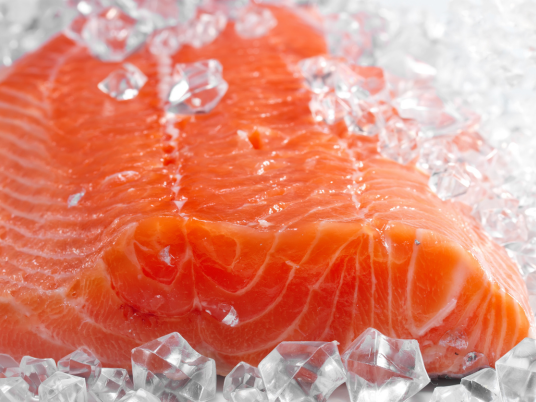 In the modern culinary industry, ingredient quality is the foundation that cannot be compromised. Even the most talented chef will struggle to create outstanding dishes if the raw materials do not meet quality standards.
This principle applies to all types of seafood, including shrimp, tuna, crab, and salmon. However, salmon occupies a unique position because it is often served raw in sushi and sashimi dishes. This means the fish’s quality must be preserved from harvesting and processing to storage and distribution.
When customers enjoy sushi or sashimi, they evaluate more than just taste. They pay attention to texture, color, aroma, and freshness. Even a slight decline in quality can significantly impact the dining experience. Therefore, premium restaurants are highly selective when choosing Imported Salmon Suppliers, especially for salmon.
Why Salmon Has Become a Favorite in the Culinary World
Salmon has long been recognized as one of the most premium fish varieties, offering exceptional nutritional value and a distinctive flavor. Its high-quality protein, omega-3 fatty acids, vitamins, and minerals make it a favorite choice among health-conscious consumers.
Beyond its nutritional benefits, salmon is also highly versatile in culinary applications. It can be prepared and served in many forms, such as:
- Sushi
- Sashimi
- Grilled salmon
- Salmon steak
- Salmon poke bowl
- Salmon salad
- Salmon teriyaki
- Salmon fusion cuisine
The growing popularity of salmon has led to increasing market demand. Today, salmon is not only featured in Japanese restaurants but also in seafood restaurants, luxury hotels, beach clubs, and premium catering services.
As demand continues to rise, maintaining the quality of salmon supply becomes increasingly important.
The Important Role of Imported Salmon Suppliers in the Culinary Industry
This is where Import Salmon Suppliers become indispensable. They are not merely fish distributors but strategic partners who ensure restaurants receive premium-quality salmon consistently.
Professional suppliers maintain a well-managed supply chain. From sourcing the finest salmon and ensuring proper packaging to handling international transportation and local distribution, every step follows strict quality standards.
Through this process, restaurants receive salmon in optimal condition, allowing them to maintain the highest standards for every dish served.
Furthermore, Imported Salmon Suppliers help restaurants protect and strengthen their reputation. In the premium dining industry, consistency is one of the most valuable assets. Customers return when they know they can expect the same exceptional quality every time they visit.
For this reason, many renowned restaurants prefer to collaborate with trusted suppliers rather than risk working with inconsistent sources.
Why Do Many Restaurants Choose Imported Salmon?
A common question is why so many restaurants prefer Imported Salmon Suppliers over other options. The answer lies in quality, consistency, and the advanced farming standards practiced by the world’s leading salmon-producing countries.
Imported salmon typically comes from regions with ideal environmental conditions for fish farming. Stable water temperatures, clean aquatic environments, and modern aquaculture technologies contribute to producing salmon of premium quality.
Some of the key advantages of imported salmon include:
1. More Consistent Quality
Restaurants require ingredients with reliable and uniform quality. Imported salmon generally offers consistent size, color, fat content, and texture, making it easier to maintain presentation and taste standards.
2. Higher Food Safety Standards
Major salmon-exporting countries implement rigorous quality control systems. This provides greater assurance of food safety for both culinary businesses and consumers.
3. Premium Texture and Flavor
Imported salmon is known for its tender texture and evenly distributed marbling. These characteristics are especially important for sushi and sashimi because they directly influence the dining experience.
4. Suitable for Raw Preparations
Not all fish varieties are suitable for raw consumption. Imported salmon processed according to international standards is better suited for restaurants serving sushi and sashimi.
5. More Stable Supply Availability
Consistent availability is essential for restaurant operations. Suppliers with strong import networks can maintain reliable stock levels, ensuring business continuity without interruptions.
With these advantages, it is no surprise that imported salmon from Imported Salmon Suppliers remains the preferred choice for many premium restaurants.
The Connection Between Imported Salmon Suppliers and Restaurant Reputation
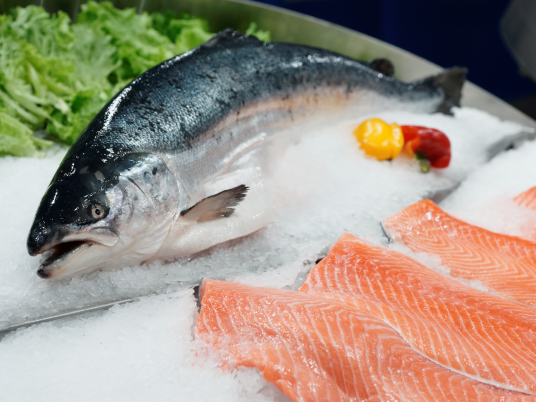 The success of a seafood restaurant or Japanese dining establishment is not determined solely by talented chefs and excellent service. One often-overlooked factor is the quality of the ingredient supply chain.
Restaurants that consistently serve fresh, premium salmon typically have strong partnerships with reliable Imported Salmon Suppliers. These partnerships ensure access to top-quality products on an ongoing basis.
When salmon quality is consistently maintained, restaurants can preserve their standards of taste, texture, and presentation. Ultimately, this enhances customer satisfaction and strengthens the restaurant’s image as a premium dining destination.
On the other hand, unstable supply quality can lead to inconsistent dishes and reduced customer confidence. In a highly competitive culinary industry, such issues can significantly affect a business’s reputation.
That is why choosing the right supplier is not merely an operational decision but a long-term business strategy.
Characteristics of High-Quality Imported Salmon Suppliers
Not all suppliers operate with the same standards. Therefore, culinary business owners should understand the key indicators of a trustworthy supplier.
Some characteristics of reliable Best Imported Salmon Suppliers include:
- Strong and trusted import networks.
- Proper cold chain management throughout the supply process.
- Consistent delivery of fresh, premium-quality products.
- Professional handling and product management standards.
- Ability to meet both small-scale and large-scale demand.
- Responsive and dependable customer service.
- Strong commitment to food safety and quality assurance.
Suppliers with these qualities become valuable partners in supporting long-term business growth.
Happy Farm Bali, the Best Imported Salmon Supplier in Bali
For culinary businesses seeking premium salmon supplies in Bali, Happy Farm Bali is one of the most trusted choices available.
As one of the leading Imported Salmon Suppliers, Happy Farm Bali provides high-quality imported salmon for seafood restaurants, Japanese restaurants, hotels, resorts, beach clubs, premium catering services, and various other culinary businesses.
Its commitment to quality, product freshness, and supply consistency has made Happy Farm Bali a dependable partner for businesses that prioritize excellence. With professional product handling standards and a strong focus on customer satisfaction, Happy Farm Bali helps ensure that every salmon dish is served at its finest quality.
In the end, exceptional seafood, sushi, and sashimi dishes are not created solely by the skills of chefs in the kitchen. Behind every premium dining experience lies the significant contribution of Imported Salmon Suppliers, who safeguard ingredient quality from the very beginning of the supply chain. This is why selecting the right supplier is a critical step for any restaurant aiming to deliver world-class culinary experiences. With the support of Happy Farm Bali, businesses in Bali can confidently access premium imported salmon to create memorable and high-quality dishes for their customers.