


Grass-Fed vs Grain-Fed Beef – In the world of culinary excellence, the quality of a steak is not determined solely by how it is cooked. Long before a cut of beef reaches the kitchen and meets the heat of a grill, a long production process has already influenced its final characteristics. One of the factors that deserves attention is the type of feed given to cattle. This is why the discussion of Grass-Fed vs Grain-Fed is relevant for steakhouses, restaurants, and consumers who want to better understand why two cuts of beef can deliver noticeably different dining experiences.
The principle is relatively simple: high-quality beef begins with high-quality raw ingredients. Cattle that receive nutritious feed, proper care, and appropriate handling throughout the production process have the potential to produce beef with more consistent characteristics. However, this does not mean that one feeding system is universally superior to the other. Grass-Fed vs Grain-Fed Beef each have their own characteristics, particularly in terms of flavor, texture, marbling, and culinary applications.
Understanding Grass-Fed vs Grain-Fed Beef
Before comparing the two, it is important to understand what grass-fed and grain-fed beef actually mean. In general, grass-fed beef refers to beef sourced from cattle whose diet consists predominantly of grass and forage. Meanwhile, grain-fed beef comes from cattle that receive grain-based feed at certain stages of their development, including grains such as corn and other cereals.
These differences in feeding practices can influence how cattle grow and how the characteristics of the beef develop. One of the most noticeable aspects is intramuscular fat, commonly known as marbling. Marbling refers to the fat distributed throughout the muscle fibers and is one of the important factors contributing to the juicy sensation and mouthfeel of a steak.
However, beef quality cannot be determined solely by whether it is labeled grass-fed or grain-fed. Cattle breed, age, feed quality, farming practices, aging process, storage conditions, and meat handling can all have a significant impact on the final product.
In other words, understanding Grass-Fed vs Grain-Fed Beef is not simply about choosing between grass and grain. It is about understanding how the entire production chain contributes to the quality of the steak.
What Is the Flavor Difference Between Grass-Fed and Grain-Fed Beef?
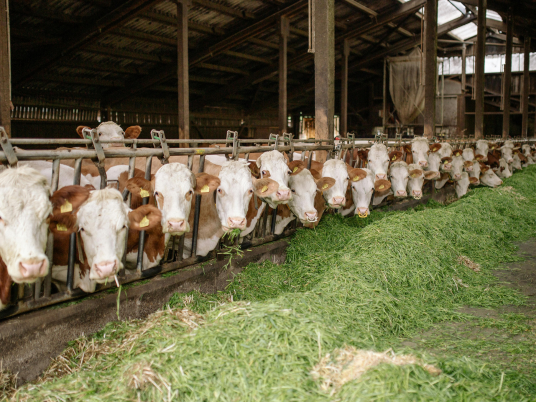
One of the most interesting aspects of Grass-Fed vs Grain-Fed Beef is how the difference can be experienced when both are prepared as steak. Grass-fed beef generally has a more pronounced, beef-forward character, sometimes accompanied by earthy or herbal notes. These characteristics may become more noticeable because of differences in fat composition and cattle development.
Grain-fed beef, on the other hand, is often associated with a richer and more buttery flavor, particularly when the beef has a high level of marbling. As the fat renders during grilling, it can create a juicy sensation and a richer mouthfeel.
These distinctions, however, should not be treated as absolute rules. The flavor of a steak is also strongly influenced by the specific cut being used. Tenderloin, ribeye, striploin, and sirloin each have their own natural characteristics, even when they come from cattle raised under the same feeding system.
For a steakhouse, understanding these characteristics is important because the choice of beef should align with the restaurant’s concept and customer expectations. A steakhouse that emphasizes a bold beef flavor may approach its menu differently from a restaurant seeking to deliver a rich, buttery, highly marbled steak experience.
Advantages and Disadvantages of Grass-Fed Beef
Grass-Fed vs Grain-Fed Beef: Grass-fed beef has its own appeal for consumers looking for a more distinctive and pronounced beef flavor. Its stronger natural character can be particularly appealing when steak is prepared with simple seasoning. Salt, pepper, and a touch of butter or olive oil can often be enough to highlight the natural qualities of the meat.
From a menu perspective, grass-fed beef can also be an interesting choice for steakhouses that want to offer customers a different flavor profile. However, some grass-fed beef can be leaner, making cooking technique even more important. If it is overcooked, the meat may lose moisture and develop a firmer texture.
Advantages of grass-fed beef:
- Offers a pronounced, beef-forward flavor.
- Suitable for consumers who enjoy a distinctive natural beef profile.
- Works well with steak preparations that use simple seasoning.
- Can be an appealing option for restaurants emphasizing natural or pasture-raised concepts.
Disadvantages of grass-fed beef:
- Certain products may have lower levels of marbling.
- The texture can be firmer than highly marbled grain-fed beef.
- Requires more precise control of cooking temperature and time.
- Its flavor profile may not appeal to customers who prefer a very rich and buttery steak.
Advantages and Disadvantages of Grain-Fed Beef
Grass-Fed vs Grain-Fed Beef: When discussing grain-fed beef, marbling is one of its major attractions. Grain-based feeding during certain stages can support the development of intramuscular fat, although the level of marbling is also influenced by other factors such as genetics and cattle management.
A steak with good marbling can provide a juicy and rich sensation when grilled. For this reason, grain-fed beef is a popular choice for many premium steak preparations, particularly cuts such as ribeye, which naturally have a more prominent fat profile.
However, grain-fed does not automatically mean higher quality. Consumers and restaurant professionals should still consider the beef’s grading, breed, cut, aging process, and overall product quality before making a selection.
Advantages of grain-fed beef:
- Has the potential to develop higher levels of marbling.
- Provides a juicy and rich steak experience.
- Well suited to customers who enjoy tender and buttery textures.
- Available across a wide range of cuts and grades to suit different steakhouse requirements.
Disadvantages of grain-fed beef:
- Its beef flavor can be milder compared with some grass-fed beef.
- Highly marbled products can have a more pronounced fat sensation.
- Prices may increase alongside higher grades and product quality.
- Not every customer prefers an especially rich steak profile.
Grass-Fed vs Grain-Fed Beef: Which Is Better for a Steakhouse?
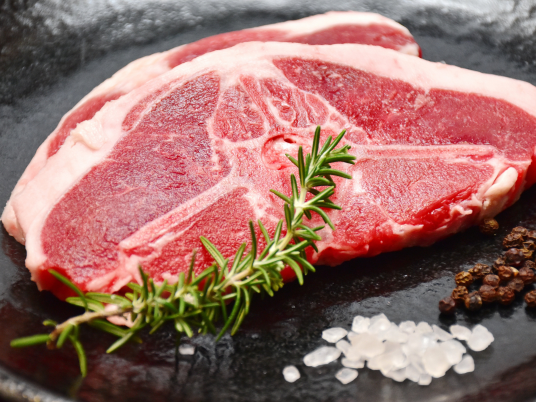
The question of which is better Grass-Fed vs Grain-Fed Beef does not have one universal answer. For a steakhouse, the ideal choice should ultimately depend on the restaurant’s positioning, target customers, menu concept, and cooking techniques.
If a restaurant wants to serve steak with a bold and distinctive beef character, grass-fed beef can be an interesting choice. Meanwhile, if the goal is to offer a steak that emphasizes juiciness, tenderness, and abundant marbling, grain-fed beef may be more suitable.
Beyond the characteristics of the beef itself, a professional steakhouse also requires consistent supply. Restaurants need to maintain consistency in cut size, quality, cold-chain management, trimming, and product specifications. This makes choosing the right supplier an important part of steakhouse operations.
Choosing the Right Steak Meat Supplier
Ultimately, steak quality begins long before the beef reaches the grill. A supplier that understands the requirements of the restaurant industry can help ensure that the products delivered meet established specifications and kitchen standards.
For restaurants and steakhouses in Bali, Happy Farm Bali is a supplier worth considering as the Best Steak Meat Supplier. With a focus on providing meat products for culinary needs, a supplier such as Happy Farm Bali can help restaurants source beef that is better aligned with their menu requirements and professional kitchen standards.
For a steakhouse, choosing a supplier is not simply about finding the lowest price. Consistent quality, product availability, cut specifications, handling practices, and the ability to meet restaurant requirements are equally important considerations. With the right supplier, the journey from selecting quality raw ingredients to serving a well-executed steak can become far more consistent.
FAQ About Grass-Fed vs Grain-Fed Beef
1. Is Grass-Fed Beef Healthier Than Grain-Fed Beef?
Both have different nutritional characteristics, and the final nutritional profile can be influenced by many factors. Therefore, it is not accurate to assume that grass-fed beef is always healthier than grain-fed beef. Consumers should consider the overall quality of the product, portion size, and their broader dietary pattern.
2. Is Grain-Fed Beef More Tender for Steak?
Grain-fed beef with good marbling can generally provide a juicier and more tender eating experience when cooked properly. However, tenderness is also influenced by cattle breed, cut, animal age, aging process, and cooking technique.
3. Which Is Better for a Steakhouse: Grass-Fed or Grain-Fed Beef?
Both can be excellent choices. Grass-fed beef is suitable for steakhouses looking for a stronger and more distinctive beef flavor, while grain-fed beef can be an attractive option for restaurants prioritizing marbling, juiciness, and a rich flavor profile. The right choice ultimately depends on the restaurant’s concept, menu, and customer preferences.