


Difference Between Wagyu and Angus – Premium beef has become a favorite among food enthusiasts who value quality, texture, and flavor in every bite. Among the many types of beef available, Wagyu and Angus are two popular choices in the culinary industry, particularly for steak, yakiniku, and premium restaurant dishes. Both are known for their high-quality meat, but they offer distinct characteristics that set them apart.
Understanding the Difference Between Wagyu and Angus is essential when choosing the type of beef that best suits your taste preferences and cooking needs. These differences go beyond marbling, or the distribution of fat within the meat, and also include texture, flavor, and market price. To better understand what makes each type unique, let’s explore Wagyu and Angus beef before comparing their key characteristics.
Getting to Know Wagyu Beef: Premium Beef with Distinctive Marbling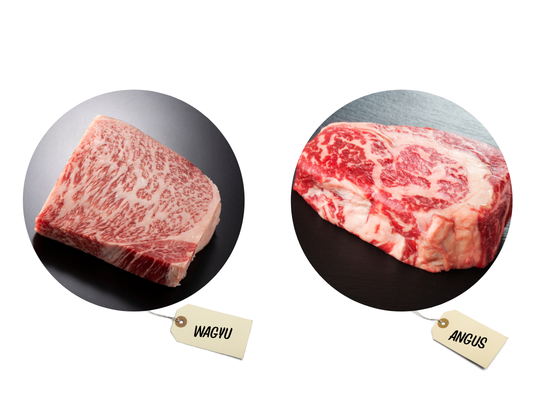
Wagyu is a type of beef derived from Japanese cattle breeds. The term Wagyu comes from two Japanese words: Wa, meaning Japanese, and Gyu, meaning cattle. This beef is recognized worldwide for its distinctive marbling, which refers to the intramuscular fat distributed between muscle fibers. These fine white streaks create an intricate pattern throughout the red meat.
The appeal of Wagyu goes beyond its appearance. Its relatively high intramuscular fat content gives the meat an exceptionally tender texture and a juicy mouthfeel when cooked. As the fat melts during cooking, it contributes to a rich, savory flavor that makes every bite distinctive. This is why Wagyu is frequently featured in premium steak dishes at high-end restaurants.
In the culinary world, Wagyu is available in several categories based on its origin and quality standards. Japanese Wagyu, for example, is evaluated through a grading system that considers meat quality, color, texture, and marbling. One of the most recognized grades is A5, which represents the highest overall grade in Japan’s beef grading system.
Although Wagyu is strongly associated with Japan, it is also produced in other countries, including Australia and the United States. Each country has its own production standards and characteristics. Therefore, Wagyu quality can vary depending on genetics, feeding practices, animal husbandry, and production methods.
Getting to Know Angus Beef: A Popular Choice for Quality Steak
Unlike Wagyu, Angus cattle originated in Scotland, particularly in the regions of Aberdeen and Angus. Known as Aberdeen Angus, this cattle breed has been raised in many countries because of its desirable meat quality and its ability to produce consistently high-quality beef.
Angus beef is known for its balance of lean meat and intramuscular fat. Although its marbling is generally less extensive than that of premium Wagyu, Angus still offers a tender texture and a more pronounced beef flavor. These qualities have made it a popular choice for steak, burgers, barbecue, and other beef-based dishes.
One of the main attractions of Angus beef is its bold flavor. Its fat content contributes to moisture and savory richness without necessarily creating an overly rich eating experience. This characteristic makes Angus an excellent option for consumers who appreciate the natural taste of beef while still enjoying a juicy texture.
Angus beef is also available in different quality grades, depending on its country of origin and grading standards. In the United States, for example, beef is classified into categories such as USDA Prime, Choice, and Select. Meanwhile, Certified Angus Beef is a branded quality program with specific requirements, rather than a general term for all Angus beef.
Difference Between Wagyu and Angus in Terms of Marbling
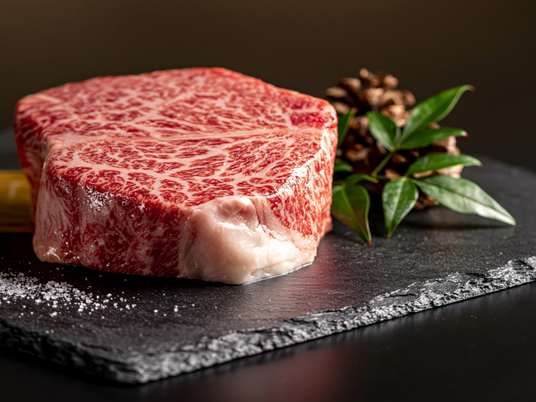
One of the most noticeable aspects of the Difference Between Wagyu and Angus is the level of marbling. Wagyu generally has a denser and more evenly distributed pattern of intramuscular fat, creating prominent white streaks throughout the meat. Higher marbling levels generally indicate a greater proportion of fat distributed within the muscle.
Angus, on the other hand, typically has more moderate marbling, although the quality can vary depending on its grade and rearing methods. Its fat distribution still contributes to tenderness and moisture, but it is not always as extensive as that found in premium Wagyu.
These differences influence the final result when the meat is cooked. Wagyu tends to develop an exceptionally tender texture as its fat melts, while Angus offers a more balanced combination of muscle fibers and fat, resulting in a more noticeable bite.
Difference Between Wagyu and Angus in Terms of Flavor and Texture
Beyond marbling, flavor is another important factor that distinguishes these two types of beef. Wagyu is known for its rich, savory taste and delicate texture, often described as buttery. The intramuscular fat melts during cooking, creating a rich mouthfeel and a texture that can almost melt in your mouth.
Angus, meanwhile, offers a more pronounced and distinctive beef flavor. Its taste is often described as beefy, with a texture that provides a more substantial chewing experience. For steak lovers who prefer the natural flavor of beef without an overwhelming richness from fat, Angus can be an appealing option.
Cooking methods also influence the characteristics of both types of beef. Premium Wagyu is often best prepared using simple techniques, such as pan-searing, to preserve its distinctive fat and flavor. Angus, meanwhile, works well with grilling, pan-searing, and barbecuing because it can develop a beautifully browned exterior while maintaining a juicy interior.
Difference Between Wagyu and Angus in Terms of Price
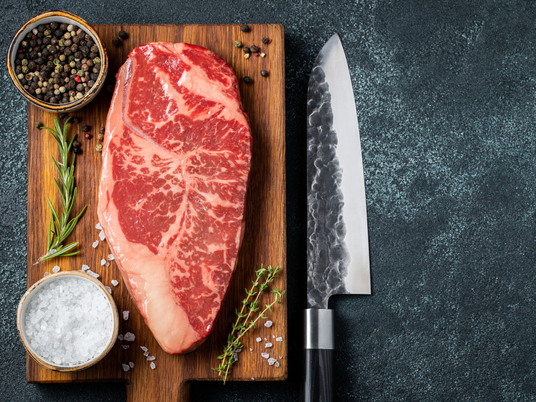
Price is another important consideration when choosing between these two types of beef. In general, premium Wagyu is more expensive than Angus. This difference is influenced by genetics, animal husbandry standards, production processes, marbling levels, and availability in international markets.
High-grade Japanese Wagyu, particularly A5, typically occupies the premium end of the market. Its carefully controlled production standards and strong market demand contribute to its higher price. Wagyu produced in Australia or the United States also comes at different price points depending on its grade, cut, and origin.
Angus, on the other hand, generally offers a wider range of prices and is often more affordable. Consumers can enjoy quality beef for steak and everyday meals without necessarily spending as much as they would on premium Wagyu.
However, the price of either type of beef cannot be determined by cattle breed alone. Factors such as the specific cut, quality grade, country of origin, storage conditions, and distribution channels can also affect the final price.
Which Is Better, Wagyu or Angus?
Ultimately, there is no absolute answer to which type of beef is better because Wagyu and Angus each have their own advantages. The best choice depends on personal taste, budget, and the type of dish you want to prepare.
If you prioritize extensive marbling, exceptional tenderness, and a rich, savory flavor, Wagyu is an excellent choice. On the other hand, if you prefer a pronounced beef flavor, a balanced texture, and a relatively competitive price, Angus is worth considering.
By understanding the characteristics of both types of beef, consumers can make more informed decisions based on their needs, whether they are cooking at home, managing a restaurant, or preparing a special meal.
Happy Farm Bali: Your Supplier of Premium Beef in Bali
Choosing premium beef involves more than simply deciding between Wagyu and Angus. It is also important to consider product quality, freshness, and proper handling throughout the distribution process. For this reason, finding a supplier that can meet these requirements consistently is essential.
For those based in Bali, Happy Farm Bali can be a recommendation to consider when looking for quality beef products. As a Supplier of Premium Beef in Bali, Happy Farm Bali can be an option for meeting premium beef needs, whether for personal consumption or food service businesses.
Choosing the right supplier can help you find products that suit your requirements while improving the overall cooking and dining experience. Whether you want to enjoy the rich marbling of Wagyu steak or the distinctive beef flavor of Angus, make sure to consider product quality and verify the meat’s origin before purchasing.
Ultimately, the experience of enjoying premium beef depends not only on the type of meat you choose but also on the quality of the product you use from the beginning.
FAQ (Frequently Asked Questions)
1. Does Wagyu Taste Better Than Angus?
Both types of beef have different flavor profiles. Wagyu is known for its tender texture, extensive marbling, and rich, buttery flavor. Angus, meanwhile, offers a more pronounced beef flavor and a generally firmer texture. The better choice ultimately depends on individual preferences.
2. Why Is Wagyu More Expensive Than Angus?
Premium Wagyu generally costs more because of its genetics, raising practices, quality standards, marbling levels, and market demand. However, the actual price depends on the grade, country of origin, and specific cut of beef.
3. Is Angus Beef Good for Steak?
Yes. Angus beef is an excellent choice for steak because it offers a balance between muscle fibers and intramuscular fat. Cuts such as ribeye, striploin, and tenderloin can deliver a satisfying combination of distinctive beef flavor and appealing texture.