


How to Thaw Frozen Seafood – In the food service industry, ingredient quality is one of the most important factors influencing customer satisfaction. Restaurants serving dishes made with fish, shrimp, squid, and shellfish must ensure that every ingredient is handled properly before preparation. One process that may seem simple but has a significant impact on the final dish is thawing frozen seafood.
Understanding How to Thaw Frozen Seafood helps restaurants prepare ingredients more efficiently while maintaining consistent flavor, texture, and food safety. Improper thawing can cause excessive moisture loss, changes in texture, and an increased risk of microbial growth. For this reason, every restaurant should understand the characteristics of frozen seafood and apply appropriate handling procedures.
Understanding Frozen Seafood

How to Thaw Frozen Seafood- Frozen seafood refers to seafood products preserved through freezing to slow microbial activity and enzymatic reactions that contribute to quality deterioration. These products include various ingredients, such as fish fillets, peeled shrimp, squid, octopus, shellfish, and other seafood products.
Freezing allows restaurants to manage their inventory more flexibly than relying exclusively on fresh products that must be used quickly. With proper storage management, frozen seafood can help maintain ingredient availability, support menu planning, and reduce the risk of food waste caused by ingredients not being used in time.
However, frozen seafood is not automatically inferior in quality to fresh seafood. Its quality depends on the freshness of the ingredients before freezing, the freezing process, distribution conditions, storage temperatures, and thawing methods before cooking. In other words, product quality must be maintained from the moment the restaurant receives the seafood until it is ready for preparation.
What Is Seafood Thawing and Why Is It Important?
How to Thaw Frozen Seafood: Seafood thawing is the process of gradually defrosting frozen seafood under controlled conditions until it reaches a suitable state for further preparation. This process is different from simply leaving seafood at room temperature until the ice melts. Proper thawing must take into account temperature, time, seafood type, product size, and packaging conditions.
In restaurant operations, thawing directly affects kitchen efficiency. Properly thawed seafood is easier to weigh, season, cut, and cook according to recipe requirements. In contrast, poorly planned thawing can disrupt preparation schedules and create inconsistent ingredient quality from one order to another.
Beyond operational efficiency, thawing is also directly related to food safety. As seafood begins to thaw, its surface may enter a temperature range that supports bacterial growth while the center remains frozen. Therefore, controlling temperature throughout the thawing process is essential to reducing contamination risks and maintaining ingredient quality.
How to Thaw Frozen Seafood Properly in Restaurants
How to Thaw Frozen Seafood for Restaurant? Different types of seafood have different characteristics. Small shrimp, thick fish fillets, and whole squid do not necessarily require the same thawing time. Nevertheless, several methods can be used in restaurants depending on operational needs and food safety requirements.
1. Thaw Frozen Seafood in the Refrigerator
Refrigerator thawing is the most recommended method for planned food preparation. Transfer seafood from the freezer to a refrigerator or chiller maintained at 0–4°C, then place it in a clean container that can collect liquid released during thawing.
Position the container on the bottom shelf to prevent liquid from dripping onto other food products. Seafood should remain in suitable food-safe packaging or a clean, covered container. Thawing time depends on the product type, size, thickness, and quantity, so the process should be monitored regularly.
This method is relatively slow but helps maintain low temperatures throughout the process. For restaurants with daily production schedules, seafood can be transferred from the freezer to the refrigerator according to menu planning and estimated ingredient requirements.
2. Thaw Frozen Seafood Using Cold Water
When a restaurant needs seafood within a shorter period, cold-water thawing can be an alternative. Ensure that the seafood is placed in leak-proof packaging, then submerge it in cold, potable water. The water must remain cold and should be changed regularly according to the restaurant’s food safety procedures.
Avoid using warm or hot water because the surface temperature of the seafood may rise too quickly. This can create conditions that support microbial growth even when the center of the product remains frozen.
Once cold-water thawing is complete, the seafood should be cooked immediately. This method should be used when necessary, with direct supervision and in accordance with applicable food safety requirements.
3. Use a Microwave for Emergency Thawing
A microwave can be used to thaw seafood under certain circumstances, particularly when preparation time is limited. However, this method requires careful handling because uneven heat distribution may cause some areas of the seafood to begin cooking while other parts remain frozen.
Use the appliance’s defrost setting according to the manufacturer’s instructions and check the product regularly. Once thawing is complete, cook the seafood immediately until it reaches a safe internal temperature. Microwave thawing is generally less suitable for large quantities because it can produce inconsistent results.
4. Avoid Thawing Seafood at Room Temperature
Leaving frozen seafood on a kitchen counter until it thaws is a practice that should be avoided. The outer surface of the product may warm up more quickly than the center, creating conditions that can compromise food safety.
In addition, seafood left outside refrigeration for too long may experience changes in aroma, texture, and overall quality. For restaurants with high production volumes, written thawing procedures and kitchen staff training can help prevent unsafe handling practices.
Does the Way You Thaw Frozen Seafood Affect Food Quality?
The answer is yes. How to Thaw Frozen Seafood directly affects the final quality of a dish, particularly its texture, moisture content, flavor, and appearance after cooking. A controlled thawing process helps minimize excessive liquid loss, allowing seafood to retain the characteristics required for different cooking techniques.
For example, shrimp thawed incorrectly may become softer and release excessive liquid during cooking. Fish fillets may also lose moisture, resulting in a drier final texture. In dishes where texture is particularly important, such as grilled fish, seafood pasta, or grilled seafood platters, even minor changes in ingredient quality can affect the customer’s dining experience.
On the other hand, proper thawing cannot restore seafood that has already deteriorated because of poor storage or a broken cold chain. Restaurants must therefore combine reliable supplier selection, temperature-controlled storage, and consistent thawing procedures to achieve the best possible results.
Tips for Maintaining Frozen Seafood Quality in Restaurant Kitchens
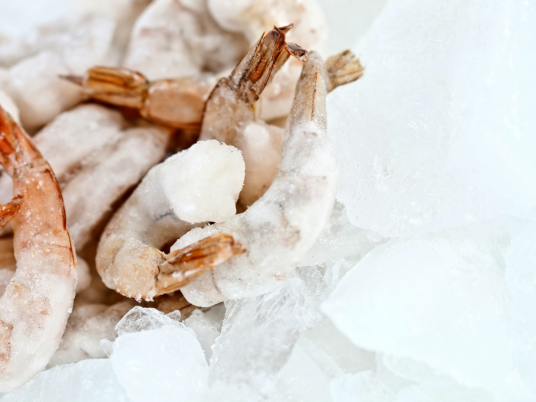
After understanding the thawing process, restaurants should also pay attention to seafood handling before and after thawing. Store frozen products according to the manufacturer’s instructions, maintain freezer temperatures at approximately −18°C or below, and monitor temperatures using an appropriate thermometer.
Implement a first-in, first-out (FIFO) inventory system so that products received earlier are used first, subject to their shelf life and storage requirements. Label products with their receiving and thawing dates, separate raw seafood from ready-to-eat food, and use clean equipment to prevent cross-contamination.
How to Thaw Frozen Seafood? Thawed seafood should not be refrozen raw without following a validated procedure. If seafood has been thawed in the refrigerator while remaining at a safe temperature, refreezing may be technically possible, although texture and moisture retention may deteriorate. Seafood thawed using cold water or a microwave should be cooked before refreezing is considered. Always follow the manufacturer’s instructions and the restaurant’s food safety standards.
Choosing the Right Frozen Seafood Supplier for Restaurants
How to Thaw Frozen Seafood, Proper thawing procedures must be supported by high-quality ingredients. Restaurants should therefore choose frozen seafood suppliers that provide clear product information, appropriate packaging, and reliable cold-chain management throughout storage and distribution.
For food businesses operating in Bali, Happy Farm Bali can be considered as an option for a Frozen Seafood Supplier in Bali to support restaurant ingredient requirements. Before establishing a partnership, restaurants should confirm product availability, seafood specifications and sizing, storage information, ordering requirements, and delivery procedures to ensure that the supplier can meet their operational needs.
By selecting suppliers carefully and implementing the correct methods for How to Thaw Frozen Seafood, restaurants can establish more organized kitchen workflows, maintain consistent dish quality, and support a better dining experience for their customers. Ultimately, seafood quality depends not only on the ingredients purchased but also on how each product is handled from delivery to the dining table.
Frequently Asked Questions About How to Thaw Frozen Seafood
1. How long does it take to thaw frozen seafood?
Thawing time depends on the type, size, thickness, and quantity of seafood. Smaller products may thaw more quickly than thick fillets or whole seafood. For more controlled results, use refrigerator thawing at 0–4°C and plan the process according to the restaurant’s production requirements.
2. Can frozen seafood be cooked without thawing it first?
Yes. Some types of seafood can be cooked directly from frozen, provided the cooking method allows heat to reach every part of the product evenly. Cooking times may need to be adjusted. Follow the manufacturer’s instructions and ensure that the seafood reaches a safe internal cooking temperature.
3. How can you tell whether frozen seafood is still good after thawing?
Check its smell, color, texture, packaging condition, and storage history. Seafood should not have a rotten or unusual off-odor. However, visual and smell checks alone cannot guarantee food safety. If the product shows signs of improper storage, has damaged packaging, or has an uncertain temperature history, do not use it until its safety can be established.