


Meat Marbling Score – When discussing beef quality, several factors determine whether a cut of meat has a tender texture, rich flavor, and juicy consistency when cooked. One of the most important characteristics, particularly among steak enthusiasts and premium beef consumers, is marbling. This term is widely used in the meat industry, especially when discussing Wagyu beef, which is known for its distinctive intramuscular fat distributed throughout the muscle fibers.
However, marbling is more than just a visual characteristic that makes beef look appealing. The distribution of fat within the muscle fibers also plays an important role in determining the meat’s flavor, tenderness, and overall eating experience. To help consumers understand and evaluate beef quality, the industry uses a grading system known as the Meat Marbling Score.
This scoring system provides an indication of how much intramuscular fat is distributed throughout a cut of beef. So, what exactly is a meat marbling score, how can you identify it, and what are its advantages? Here is everything you need to know before choosing high-quality beef.
What Is Marbling in Meat?
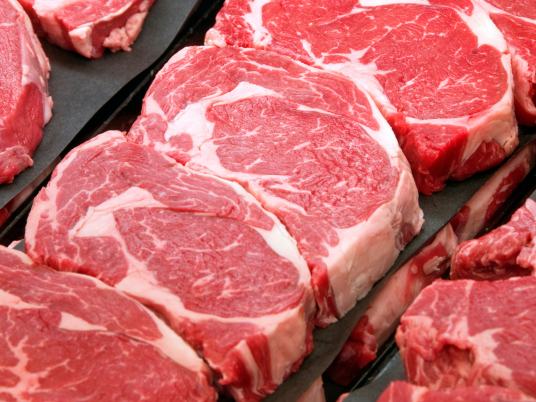
Marbling refers to the distribution of intramuscular fat within the muscle tissue of beef. When observed closely, marbling appears as thin white streaks or patterns spread throughout the red muscle tissue. These patterns resemble the veins found in marble stone, which is where the term marbling originates.
Unlike external fat attached to the surface of the meat, intramuscular fat is located within the muscle structure itself. Its presence is one of the important factors influencing the characteristics of beef during cooking. When exposed to heat, some of this fat melts, helping create a juicy texture and the distinctive rich flavor associated with premium beef.
The level of marbling can vary significantly between different cuts of beef. Several factors influence its development, including cattle genetics, feeding programs, farming practices, and livestock management. In Wagyu cattle, marbling is one of the most desirable characteristics, making this type of beef particularly popular for its tender texture and rich flavor.
Therefore, the more evenly distributed the intramuscular fat is throughout the meat, the greater its potential to deliver an exceptional eating experience. To evaluate this characteristic more systematically, the meat industry uses a grading method known as the marbling score.
What Is a Meat Marbling Score?
A Meat Marbling Score is a grading system used to evaluate the amount and distribution of intramuscular fat within beef muscle tissue. This assessment helps producers, distributors, food service businesses, and consumers understand the visual characteristics and quality of a particular cut of beef.
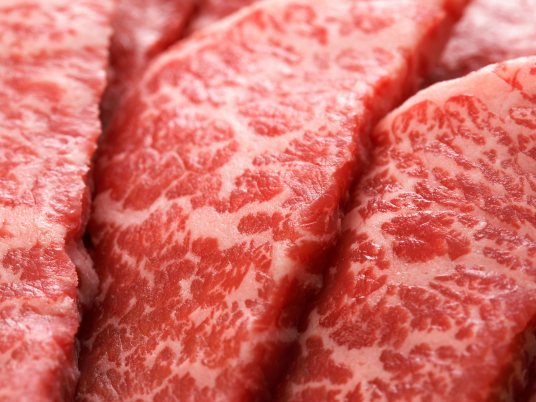
Essentially, the marbling score indicates how much white fat is visible between the muscle fibers. Beef with a higher marbling score generally contains more intramuscular fat with a more prominent distribution compared to beef with a lower score.
However, it is important to understand that different countries and grading organizations may use different marbling assessment standards. Japan, for example, uses the Beef Marbling Standard (BMS), which is one of the most widely recognized grading systems for evaluating Wagyu beef.
Other countries may apply different grading methods and scoring ranges. As a result, marbling scores from different grading systems cannot always be compared directly.
How to Identify and Read a Meat Marbling Score
After understanding what marbling means, the next step is learning how to identify and interpret a marbling score. This assessment is generally based on the amount, size, and distribution of intramuscular fat visible in specific muscle sections.
One of the most recognized grading systems is Japan’s Beef Marbling Standard (BMS). This system uses a scale ranging from 1 to 12, with higher numbers indicating greater levels of marbling.
Here is a general explanation of how to understand the scale:
1. BMS 1–3: Low Marbling
At this level, the amount of intramuscular fat is relatively low. The beef generally displays a predominantly red appearance with only a few visible white fat streaks within the muscle tissue. This characteristic is commonly found in beef with lower marbling levels.
2. BMS 4–6: Moderate Marbling
Beef within this range begins to show more noticeable intramuscular fat distribution. White streaks between the muscle fibers become increasingly visible, giving the meat greater potential to develop a richer flavor and texture when prepared using appropriate cooking techniques.
3. BMS 7–9: High Marbling
At this level, intramuscular fat becomes more abundant and relatively evenly distributed throughout the muscle tissue. The beef may appear noticeably lighter because of the increasingly prominent white marbling patterns.
4. BMS 10–12: Very High Marbling
This is the highest category within Japan’s BMS grading system, indicating an exceptionally abundant distribution of intramuscular fat. Beef in this range displays highly prominent marbling patterns and is among the characteristics sought after in premium Wagyu beef.
It is important to note that these categories are simplified explanations intended to help consumers understand the BMS scale. They do not replace the official assessment process used to determine overall beef quality.
Furthermore, marbling score is not the only indicator of meat quality. Other factors, including meat color, texture, freshness, and post-slaughter handling, should also be considered when selecting premium beef.
Advantages of Meat Marbling Scores in Determining Beef Quality
Why is marbling score so important in the beef industry? One of the main reasons is that it provides a more objective indication of intramuscular fat characteristics compared to relying solely on subjective visual assessments.
There are several advantages that make marbling score an important consideration when selecting high-quality beef.
1. Helps Identify Beef Characteristics
Marbling score makes it easier for consumers to understand the level of intramuscular fat distribution within a cut of beef. By knowing the score, buyers can get an idea of the meat’s characteristics before deciding which product to purchase or prepare.
2. Provides an Indication of Juiciness
Intramuscular fat contributes to the juicy sensation experienced when eating cooked beef. During the cooking process, some of this fat melts and helps enhance moisture perception while contributing to a richer overall flavor.
3. Influences Beef Flavor
Marbling also plays a role in developing the distinctive savory flavor of beef. Intramuscular fat contains and contributes to various flavor and aroma compounds that become more noticeable during cooking.
4. Helps Consumers Choose Premium Beef
For restaurants, hotels, catering businesses, and individual consumers, marbling score can serve as a useful reference when selecting premium beef. This information helps buyers match their choice of meat with specific menu requirements and the dining experience they want to deliver.
Does a Higher Meat Marbling Score Always Mean Better Beef?
Meat Marbling Score – Although a high marbling score is frequently associated with premium beef quality, it does not necessarily mean that the highest score is always the best choice for every situation.
Beef with higher marbling levels is generally suitable for dishes such as steak, where tenderness, rich flavor, and a luxurious texture are highly valued. However, some consumers may prefer beef with less intramuscular fat.
Apart from personal taste preferences, cooking techniques also influence the final result. Highly marbled beef should be prepared using appropriate methods to allow the fat to render properly without making the meat excessively greasy.
For this reason, choosing beef should not depend entirely on its marbling score. Buyers should also consider the cut, cooking requirements, product quality, and individual flavor preferences.
Recommended Wagyu Beef Supplier in Bali: Happy Farm Bali
Understanding marbling scores becomes even more valuable when combined with choosing the right beef supplier. This is particularly important for those in Bali who need premium beef for restaurants, hotels, culinary businesses, or personal consumption.
One brand worth considering is Happy Farm Bali, a Wagyu Beef Supplier in Bali. Choosing the right supplier is an important step toward obtaining beef products that meet specific requirements, including different cuts and desired marbling characteristics.
When purchasing Wagyu beef, make sure to check information regarding product origin, cut specifications, marbling levels, and storage and distribution conditions. These details help ensure that the beef you select meets your quality standards and cooking requirements.
By considering these factors, Happy Farm Bali can be one of the suppliers worth exploring when looking for premium Wagyu beef in Bali for various culinary needs.
Q&A About Meat Marbling Scores
1. Does a Higher Meat Marbling Score Make Beef More Tender?
A higher marbling score is generally associated with a more tender eating experience because of the presence of intramuscular fat. However, tenderness is also influenced by other factors, including cattle age, cut selection, aging processes, and cooking techniques.
2. What Is the Difference Between Marbling and Regular Fat in Beef?
Meat Marbling Score? Marbling refers to intramuscular fat located between the muscle fibers. Meanwhile, regular fat can be found on the outer surface of the meat or between muscle groups. Both have different characteristics and can influence the final result when beef is cooked.
3. Does All Wagyu Beef Have a High Marbling Score?
Not necessarily. Marbling levels in Wagyu beef can vary depending on genetics, farming practices, feeding programs, and the grading standards used. Therefore, checking product specifications before purchasing is important.
Editorial note: This English version follows the original article’s structure, heading hierarchy, and overall discussion. The content has been translated and adapted into natural English while retaining the SEO focus keyword “Meat Marbling Score.” Product and service claims about Happy Farm Bali should be verified before publication.