


Meat Distribution for Hospitality – Bali is widely recognized as one of the world’s leading tourism destinations, with a rapidly growing hospitality industry. The expansion of hotels, restaurants, villas, beach clubs, and catering businesses has created a consistent demand for reliable, high-quality food ingredients. Among these ingredients, meat plays an important role in daily hospitality operations.
For hospitality businesses, meat availability is not simply a matter of purchasing products in a certain quantity. Meat must be available according to operational requirements, maintain consistent quality, be handled under appropriate storage standards, and be delivered according to kitchen schedules. This is why Meat Distribution for Hospitality has become an important part of the food supply chain in Bali’s hospitality industry.
Understanding Meat Distribution for Hospitality Needs in Bali

Meat requirements within the hospitality sector have different characteristics compared with household consumption. Restaurants need supplies based on their menus and customer volume, hotels must adjust their inventory according to occupancy levels and various activities such as banquets and events, while catering companies may require large quantities of meat at specific times.
These differences mean that distributors need to provide flexible services. Orders may vary in terms of cut specifications, weight, product type, and delivery frequency. A distributor that understands the characteristics of the hospitality industry will be better positioned to adjust its procurement and distribution system to meet individual customer requirements.
Beyond quantity, consistent quality is also a major consideration. Professional kitchens require relatively uniform ingredients so that food preparation can follow established recipes and standards. When the quality of raw ingredients varies, the final result can also be affected.
For this reason, Meat Distributor for Hospitality should be viewed as a complete system covering procurement, storage, inventory management, order processing, and delivery to customers.
Meat Distributors for Hospitality as B2B Partners
Within the hospitality industry, a Distribusi Daging untuk Hospitality plays a much larger role than simply selling raw ingredients. The relationship between a distributor and hotels, restaurants, or catering companies is a B2B or business-to-business relationship, making service consistency an important factor.
Hospitality businesses need suppliers that understand their purchasing patterns. A restaurant, for example, may require deliveries on a regular weekly basis. A hotel with higher operational volume may require larger orders and a more structured delivery schedule. Meanwhile, a catering company may experience increased demand when handling large-scale events.
Under these circumstances, communication between distributors and customers becomes essential. Information regarding stock availability, product specifications, order quantities, delivery schedules, and special requirements must be managed effectively.
A distributor capable of building professional B2B relationships can ultimately become part of a customer’s supply chain rather than simply serving as a place to make purchases.
Large-Scale Capacity to Support Distribusi Daging untuk Hospitality
The scale of demand is one of the key differences between the hospitality market and general consumers. A restaurant may require dozens of kilograms of meat over a certain period, while a hotel or catering company may have significantly larger requirements.
Therefore, storage capacity and inventory management are important factors when selecting a distributor. A distributor must be able to maintain product availability while managing inventory turnover so that customer requirements can be fulfilled consistently.
Happy Farm Bali is one Distribusi Daging untuk Hospitality that targets B2B customers, including restaurants, hotels, and catering businesses. According to the company’s information, Happy Farm Bali has storage facilities with a capacity of up to 5,000 kg of products. This capacity provides an indication of the company’s ability to handle larger-scale distribution requirements.
For hospitality businesses, this capability can be an important consideration, particularly for companies that require regular supplies in larger volumes. However, actual fulfillment capacity should still be confirmed based on product type, order quantity, and stock availability at the time of purchase.
Maintaining Quality Through Storage and Cold Chain Systems
Meat distribution requires particular attention because of the nature of the product. Meat can experience quality deterioration if it is not handled properly. Storage and transportation processes must therefore take into account appropriate temperatures and product hygiene.
The cold chain is an important part of this process. Frozen products, for example, require storage at suitable temperatures to help maintain their condition while being held at the distributor’s facility.
Happy Farm Bali states that it uses freezer facilities operating at temperatures of up to -18°C for frozen product storage. During the distribution process, the company also uses refrigerated delivery vehicles.
This system is an important aspect of supporting Meat Distribution for Hospitality, as products pass through several stages before eventually reaching the customer’s kitchen. Effective cold chain management helps increase the likelihood that product conditions remain properly maintained throughout the distribution process.
Delivery Areas Supporting Hospitality Businesses in Bali
Hospitality businesses in Bali are spread across numerous areas. Major concentrations of restaurants, hotels, and tourism-related businesses can be found in Denpasar, Kuta, Seminyak, Canggu, Jimbaran, Nusa Dua, and other areas.
For distributors, delivery coverage is an important operational challenge. Food deliveries need to be properly planned so that products reach customers according to their schedules.
Happy Farm Bali provides delivery services to several major areas in Bali, including Denpasar, Kuta, Seminyak, Canggu, Jimbaran, and Nusa Dua. For locations outside these areas, delivery requirements can be discussed and adjusted according to the specific order and circumstances.
This type of Distribusi Daging untuk Hospitality coverage can provide added value for hospitality businesses looking for suppliers with a relatively broad service area. Well-planned delivery schedules can also help purchasing and kitchen teams manage their inventory more effectively.
Product Selection for Various Professional Kitchen Requirements
Meat requirements within the hospitality industry are not always the same. Steak restaurants may require premium cuts with specific characteristics, while hotels and catering companies generally need a wider range of products to support diverse menus.
Happy Farm Bali offers various meat products, including beef cuts such as rib eye, sirloin, tenderloin, picanha, short ribs, brisket, and minced beef. In addition to beef, the company also offers lamb products and various seafood options.
A diverse product selection can help hospitality businesses simplify their procurement process. When several protein requirements can be sourced from a single Distribusi Daging untuk Hospitality, communication, ordering, and delivery arrangements can become more coordinated.
For businesses with demanding daily operations, procurement efficiency is naturally an important consideration. A distributor with a broad product selection can become a more practical partner for regular supply requirements.
Client Testimonials as an Indicator of Customer Experience
In B2B business, customer experience is one factor that can help prospective customers assess a distributor’s reputation. Testimonials can provide insight into previous customers’ experiences with both products and services.
Happy Farm Bali features several customer testimonials from clients who use its services as a supplier. These customer statements highlight aspects such as service consistency and their experience working with the company.
Although testimonials can be a useful consideration, hospitality businesses should still conduct a comprehensive evaluation before selecting a distributor. Factors to consider may include product quality, cut specifications, order fulfillment capacity, storage systems, delivery schedules, and B2B service mechanisms.
By conducting this evaluation, hotels, restaurants, and catering companies can ensure that their selected Distribusi Daging untuk Hospitality is genuinely aligned with their operational requirements.
Happy Farm Bali as a Meat Distribution for Hospitality Market
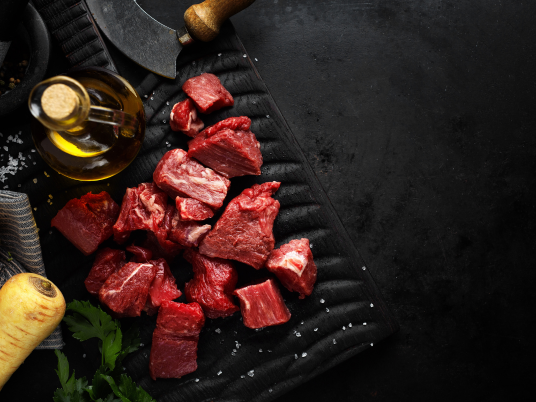
Happy Farm Bali is a Meat Distribution for Hospitality focused on providing meat and seafood products for businesses in Bali. With target customers including restaurants, hotels, catering companies, supermarkets, and other businesses, the company operates within the B2B distribution segment, where supply consistency is essential.
In terms of capacity, product variety, storage systems, and delivery coverage, Happy Farm Bali has several characteristics that are relevant to hospitality industry requirements. This approach allows the distributor to serve customers with different needs, ranging from restaurants requiring regular supplies to customers requiring larger-volume deliveries.
However, every business has its own procurement standards. Therefore, prospective customers are still advised to discuss their requirements directly, particularly regarding product specifications, order quantities, delivery schedules, pricing, and partnership requirements.
Why Choosing the Right Distributor Matters
The choice of distributor can have a direct impact on kitchen operations. When supplies are unavailable or deliveries encounter problems, restaurants and hotels may face difficulties preparing their menus and maintaining normal service.
Conversely, a distributor capable of providing consistent products can help businesses maintain operational stability. Purchasing teams can develop better procurement plans, while kitchen teams can work with raw ingredients that meet their established standards.
Ultimately, successful Meat Distribution for Hospitality is not determined solely by the ability to provide products. Factors such as capacity, consistency, storage quality, delivery coverage, product variety, and B2B communication also play equally important roles.
Conclusion: Happy Farm Bali as a Hospitality Distribution Solution in Bali
The continued growth of Bali’s hospitality industry is creating an increasing need for professional food supply and distribution systems. Restaurants, hotels, and catering companies require distributors capable of supplying products according to their needs, maintaining quality during storage, and providing reliable delivery services.
Happy Farm Bali can be considered as one of the options for a Meat Distribution for Hospitality solution in Bali. With large-scale storage capacity, a diverse product selection, B2B services, refrigerated storage and delivery systems, and delivery coverage across several major areas of Bali, Happy Farm Bali offers a distribution approach that aligns with the requirements of hospitality businesses.
For restaurants, hotels, catering companies, and food service businesses looking for a meat supplier in Bali, choosing a distributor that understands hospitality operations is an important step toward building a stable supply chain.
By considering product availability, capacity, service, distribution areas, and B2B partnership requirements, Happy Farm Bali is worth considering as a Meat Distribution for Hospitality across Bali.