


Fresh meat is one of the food ingredients that requires careful handling, from the cutting process until it reaches the consumer. Improper storage can affect the texture, color, aroma, flavor, and even the safety of the product. Therefore, understanding Proper Storage of Fresh Meat is important not only for households but also for restaurants, hotels, catering businesses, and food service companies.
Professional suppliers apply much stricter standards to maintain meat quality. They do not simply place meat inside a refrigerator. Instead, they implement Proper storage of fresh meat like a series of procedures involving temperature control, hygiene, packaging, product separation, and inventory management. This approach helps preserve meat quality before it is eventually used or distributed to customers.
The History of Meat Storage Methods
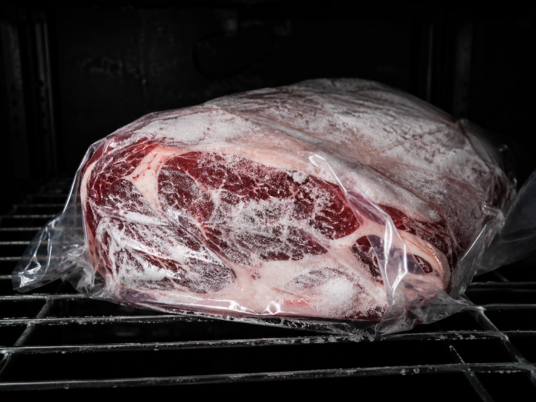
The practice of storing meat has actually existed for thousands of years. Before humans developed modern refrigeration technology, different societies developed simple methods to slow down meat deterioration. Smoking, salting, drying, and fermentation were among the techniques used to extend the shelf life of meat.
These methods work by reducing moisture content or creating conditions that are less favorable for the growth of microorganisms that cause spoilage. Salted meat, for example, has a lower moisture content, making it more difficult for microorganisms to grow. Meanwhile, smoking provides additional protection while creating a distinctive aroma and flavor.
The development of technology later brought significant changes to food storage. The invention of refrigeration systems made it possible to store meat at low temperatures without relying on traditional preservation methods. Freezing technology also extended the storage life of meat considerably.
From this point, meat storage standards continued to develop into more measurable and controlled systems. The modern industry does not only focus on making meat last longer, but also on maintaining its sensory qualities and food safety throughout the storage process.
Why Are Meat Storage Quality Standards Important?
Understanding Proper Meat Storage should begin with the understanding that temperature and environmental conditions have a significant influence on the characteristics of meat. After the cutting process, meat continues to undergo various biological and chemical changes. Without proper handling, these changes can occur more rapidly.
One of the most important factors is temperature. Uncontrolled temperatures can accelerate microbial activity and quality deterioration in meat. On the other hand, storing meat under appropriate chilled conditions can help slow down these processes.
Hygiene is another essential part of meat quality standards. Surfaces, containers, knives, worktables, and hands that come into contact with meat should be kept clean and hygienic. Cross-contamination can occur when raw meat comes into contact with other food products or contaminated equipment.
In addition to safety, storage standards also determine the appearance of the product. High-quality beef generally has an appropriate color, texture, and aroma according to its characteristics. Poor handling can result in discoloration, excessive surface moisture, undesirable texture, or unpleasant odors.
Therefore, storage quality standards are not merely operational procedures. They are an essential part of maintaining product value from the beginning until the meat is eventually used by consumers.
Proper Storage of Fresh Meat
At the household level, Proper Storage of Fresh Meat begins by making sure that meat is placed in a refrigerator shortly after purchase. Avoid leaving meat at room temperature for extended periods, particularly in environments with relatively high temperatures.
Meat should be placed in clean and properly sealed packaging. Packaging helps reduce exposure to air, liquid from other food products, and potential cross-contamination. If the meat will be stored for a longer period, freezing can be a more suitable option.
Storage portions should also be considered. Meat divided into portions according to actual usage requirements can be more practical because consumers do not need to thaw the entire quantity just to use a portion of it. Once meat has been thawed, it should also be handled carefully to help maintain product quality.
However, professional storage standards are naturally much more comprehensive. Suppliers do not only focus on the condition of a single piece of meat. They must ensure that product quality can be maintained across significantly larger volumes.
How Professional Suppliers Maintain Meat Quality
Professional suppliers generally implement cold chain system as a proper storage of fresh meat, which involves continuous temperature control from the moment products are received, stored, processed, and transported to customers. The objective is to keep meat under appropriate storage conditions throughout the entire distribution chain.
Inside storage facilities, temperature needs to be monitored consistently. Refrigerators or cold storage facilities should also have adequate capacity to allow proper air circulation. Products should not be placed randomly, as excessive storage density can interfere with temperature stability and air circulation.
Packaging provides another layer of protection. Suppliers may use packaging methods that are appropriate for the characteristics of the product and its distribution requirements. Products are also properly identified to support inventory management and storage control.
This is where the FIFO, or First In, First Out, principle becomes important. Products that enter storage first are prioritized for use or distribution first. This system helps reduce the risk of products remaining in storage for too long.
Regular inspections are also carried out. Packaging condition, storage temperature, cleanliness of the storage area, and product characteristics are all part of the monitoring process. With consistent procedures, suppliers can identify potential problems before the products reach customers.
Storage Standards Determine the Quality of Beef Products
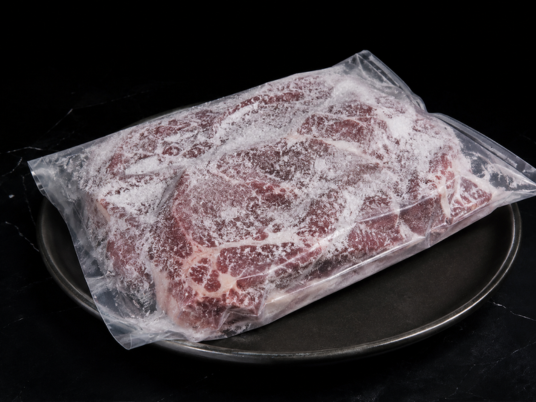
The quality of beef is not determined solely by the type of cattle, the cut, or the processing method. Post-processing handling also plays an important role. Beef that initially has excellent quality can still experience deterioration if it is stored under inappropriate conditions. Proper storage of fresh meat affects the quality of the product.
Therefore, the relationship between product quality and storage is continuous. Every stage influences the next. Meat that is processed hygienically requires proper storage, while proper storage needs to be supported by a well-controlled distribution system.
For food businesses, this becomes even more important because the consistency of raw materials can affect the final result of their dishes. Restaurants, hotels, and catering businesses require meat with relatively consistent characteristics so that their food standards can be maintained.
Why Choose a Professional Supplier?
Working with a professional supplier provides advantages because raw material management does not end with the purchasing process. A supplier with a reliable storage and distribution system can help businesses obtain products with more consistent quality.
It can also make raw material procurement more efficient. Businesses do not always need to provide large storage facilities or manage the entire procurement process independently. Products can be supplied according to business requirements, with proper handling already carried out by the supplier.
For food businesses in Bali, this is particularly relevant. The tourism, restaurant, hotel, and food service industries require a reliable supply of quality meat and seafood that can be maintained consistently.
Happy Farm Bali, a Professional Meat and Seafood Supplier in Bali
If you are looking for a reliable partner for quality raw material needs, Happy Farm Bali can be considered as a professional meat and seafood supplier in Bali. For food businesses that require consistency in their supply chain, choosing a supplier that understands the importance of proper product handling and storage can be a strategic decision.
By choosing the right supplier, quality control does not have to begin only when the raw materials arrive in the kitchen. Ideally, the process has already started from the moment the products are handled, stored, and transported to the customer.
Ultimately, understanding Proper Storage of Fresh Meat is not simply about placing products inside a refrigerator. It involves hygiene standards, temperature control, packaging, inventory rotation, and distribution practices that need to be properly managed. These principles form an important foundation for professional suppliers in maintaining the quality of beef and seafood until they reach consumers.
For culinary businesses in Bali, choosing a supplier that can consistently apply proper handling standards can become an important part of maintaining product quality while delivering the best possible experience to customers.