


Lamb and goat meat are often considered similar because they come from closely related small ruminant animals. Their appearance can also be quite similar, especially after the meat has been cut into individual portions. However, when examined more closely, there are several differences between lamb and goat meat that can be noticed in terms of taste, aroma, texture, and cooking characteristics.
For home consumers, these differences between lamb and goat meat may simply come down to personal preference. However, for culinary businesses such as restaurants, hotels, catering companies, and other food and beverage businesses, choosing between lamb and goat meat can influence the character of the dishes being served. The type of meat should be selected according to the menu concept, target customers, cooking methods, and supply requirements.
In recent years, lamb products, or meat from young sheep, have become increasingly popular in a variety of culinary applications. Their relatively tender texture and versatile flavor make lamb suitable for many dishes, from traditional preparations to international cuisine.
What Is Lamb Meat?
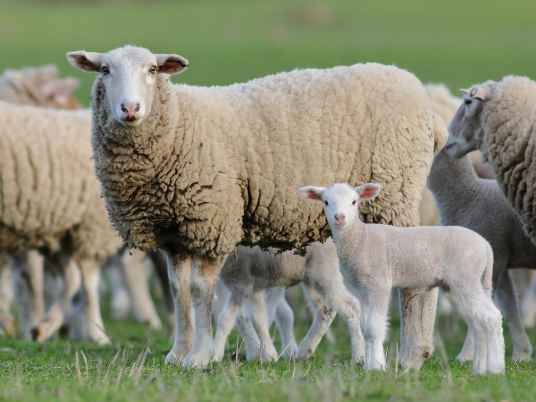
Before discussing the differences between lamb vs goat meat, it is important to understand what is meant by lamb. In general, the term lamb refers to meat obtained from young sheep. The age of the animal is one of the factors that can influence the characteristics of the meat, including its tenderness, color, aroma, and flavor.
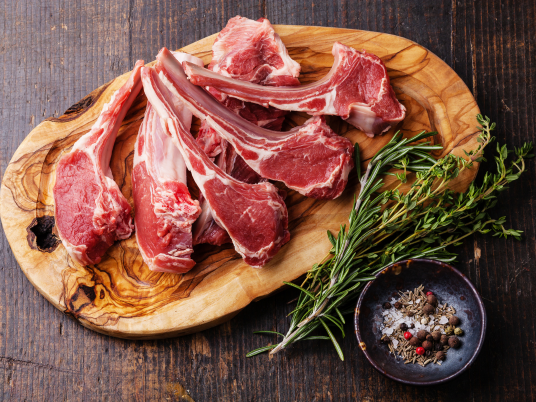
Lamb generally has a pinkish-red to red color, with white fat. When prepared using the right cooking method, this fat can provide a savory flavor while helping create a juicy texture.
Different cuts of lamb can also be used for different culinary purposes. Some of the most well-known cuts include lamb rack, lamb chop, lamb leg, lamb shoulder, and lamb shank. Each cut has its own characteristics and can be selected according to the cooking technique and type of dish being prepared.
This variety of cuts means that lamb is not limited to specific traditional cuisines. It is also widely used in modern restaurants, hotels, steakhouses, and various international culinary concepts.
Differences Between Lamb and Goat Meat in Terms of Taste
One of the most noticeable differences between lamb and goat meat is their flavor profile. Although both have distinctive characteristics, their flavor intensity can be quite different.
Goat meat generally has a stronger aroma and more pronounced flavor. This distinctive character can become more noticeable when the meat comes from an older animal. This is one reason why goat meat works particularly well with strong seasonings and spices, such as those used in satay, curry, tongseng, and other traditional dishes.
Lamb, on the other hand, tends to have a milder flavor. Its characteristic aroma is still present, but it is generally less intense than that of goat meat. This makes lamb relatively easy to combine with different types of seasonings, sauces, herbs, and spices.
These differences between lamb and goat meat in flavor provide different opportunities for culinary businesses. Goat meat can be an excellent choice for menus that emphasize traditional flavors and bold spices, while lamb can be used for a wider range of dishes with both local and international flavor profiles.
Differences Between Lamb and Goat Meat in Terms of Texture
In addition to flavor, texture is another important factor when distinguishing between the two types of meat. Lamb obtained from young sheep generally has a more tender texture, with relatively fine muscle fibers.
This characteristic makes lamb suitable for a wide range of cooking methods. Cuts such as lamb chops or lamb racks, for example, can be prepared through grilling or pan-searing. Meanwhile, cuts such as lamb shoulder and lamb shank can be cooked slowly to achieve a tender texture.
Goat meat can have a firmer or chewier texture, particularly when it comes from an older animal. However, this does not mean that goat meat is always tough. The choice of cut, quality of the raw material, marination process, cooking temperature, and cooking time all play important roles in determining the final texture.
For culinary businesses, texture consistency is an important consideration because customers generally expect a similar dining experience every time they order the same dish.
Differences Between Lamb and Goat Meat: Pros and Cons
1. Advantages and Disadvantages of Lamb Meat
Lamb offers several advantages that make it attractive for culinary applications. One of them is its generally tender texture, particularly when using lamb from young sheep. Its relatively mild flavor also makes it suitable for a wide variety of seasonings and culinary styles.
Another advantage is the variety of cuts available for different menu concepts. Lamb rack can be used for premium dishes, lamb chops are suitable for individual servings, while lamb leg can be used for roasted dishes or large-format meals.
Lamb shoulder and lamb shank can also be excellent choices for dishes that require longer cooking times. This versatility allows chefs to develop different types of dishes from a single category of raw material.
However, lamb also has several factors that need to be considered. Certain lamb cuts, particularly premium cuts, can be more expensive than some other types of meat. In addition, product quality is strongly influenced by storage and handling practices. Maintaining an appropriate cold chain is an important part of preserving product quality until the meat reaches the kitchen.
2. Advantages and Disadvantages of Goat Meat
Goat meat has a major advantage in its distinctive flavor and aroma. These characteristics are precisely what make it appealing to many consumers who enjoy goat-based dishes.
In Indonesia, goat meat is also highly familiar and is used in a wide range of traditional foods. Goat satay, curry, tongseng, goat soup, and other preparations are examples of how goat meat has established its own place in local cuisine.
However, its stronger flavor can also be a consideration when the target customers prefer meat with a milder aroma. The texture of goat meat also requires particular attention because improper cooking techniques can result in a tougher final product.
Therefore, choosing between goat and lamb should not be based solely on price. The menu concept, target market, cooking method, and desired flavor profile should also be taken into account.
Why Are Lamb and Lamb Products Increasingly Popular in the Culinary Business?
The growth of the restaurant and hospitality industries has increased demand for ingredients with diverse characteristics. Lamb has become an interesting option because it can be used to create dishes with both premium appeal and international influences.
One of the key attractions of lamb is its versatility. The meat can be used in a wide variety of dishes, including grilled lamb chops, roasted lamb leg, lamb rack, lamb curry, and different slow-cooked preparations.
Its relatively mild flavor also gives chefs room to develop different flavor profiles. Lamb can be combined with Asian spices, Middle Eastern seasonings, European-style sauces, or modern culinary seasonings.
From a business perspective, this versatility can give restaurants more opportunities to develop their menus without being restricted to a single culinary style. Lamb can also provide an alternative for customers looking to enjoy a protein source other than chicken, beef, or goat.
However, product characteristics are not the only consideration. Availability and supply consistency are equally important. Restaurants and hotels need suppliers that can provide products consistently according to their operational requirements.
The Importance of Choosing a Quality Lamb Supplier
When lamb is used as a raw ingredient in a culinary business, product quality is only one aspect that needs to be considered. Business owners should also evaluate stock availability, variety of cuts, storage systems, distribution processes, and the supplier’s ability to fulfill regular orders.
Proper temperature-controlled storage is essential for meat products. The delivery process is equally important, particularly for culinary businesses that require products to remain in good condition when they arrive in the kitchen.
A supplier that understands the requirements of the food and beverage industry can help restaurants, hotels, catering companies, and other culinary businesses obtain their ingredients in a more organized manner. With a more consistent supply, kitchen operations can also become more efficient.
For this reason, selecting a supplier should be considered part of a broader procurement strategy rather than simply a search for the lowest-priced product.
Happy Farm Bali as a Lamb Supplier for Culinary Businesses
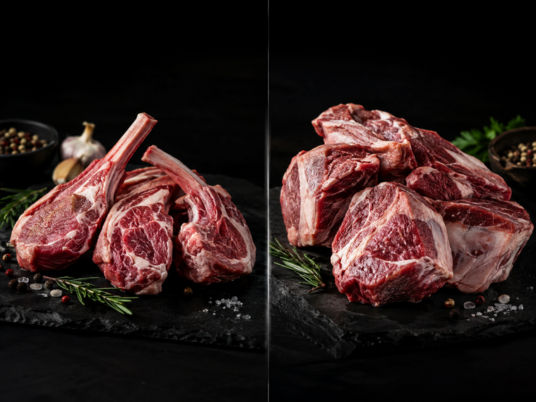
For culinary businesses in Bali looking for lamb products, Happy Farm Bali can be considered as one of the available lamb supplier in Bali. Happy Farm Bali provides various meat products for restaurants, hotels, catering companies, supermarkets, and other food and beverage businesses.
Its product range includes imported and local meat products, including lamb that can be used for different menu requirements. With a variety of meat cuts available, culinary businesses can select ingredients according to their menu concepts and kitchen requirements.
Beyond the products themselves, distribution is another important aspect of meat procurement. Happy Farm Bali has storage facilities and a delivery system designed to help maintain product quality throughout the distribution process.
For restaurants, hotels, catering companies, and other culinary businesses that require a regular lamb supply, working with a supplier that understands differences between lamb and goat meat, I mean the needs of the food and beverage industry can help maintain consistency in raw materials.
Conclusion
Understanding the differences between lamb and goat meat is important for both consumers and culinary businesses. Goat meat is generally known for its stronger flavor and distinctive aroma, while lamb tends to have a milder flavor and a texture that is suitable for a wide range of cooking methods.
Both types of meat have their own advantages and characteristics. The choice ultimately depends on the menu concept, target customers, cooking techniques, and operational requirements of the business.
For culinary businesses looking to introduce lamb-based dishes, the quality of the raw ingredients and consistency of supply are important factors to consider. In Bali, Happy Farm Bali can be considered as a lamb supplier for restaurants, hotels, catering companies, and various food and beverage businesses.
With the right product selection and supplier, lamb can be developed into a wide range of dishes with distinctive flavors while providing greater variety to a culinary business’s menu.