


How to choose fresh fish? Fish is one of the most widely consumed food products because it can be prepared into a wide variety of dishes. From home-cooked meals and restaurant menus to catering and culinary businesses, fresh fish products have a consistently strong demand. However, choosing genuinely fresh fish is not always easy, especially for buyers who are not accustomed to assessing seafood quality directly.
Understanding how to choose fresh fish is an important step before making a purchase. Freshness is not only related to taste, but also to texture, aroma, appearance, and the overall quality of the food product. Fish that is properly handled and stored generally retains its natural physical characteristics.
For this reason, understanding the characteristics of quality fish can help consumers make more informed choices. The following guide explains how to choose fresh fish products.
Understanding Fresh Fish Products and Market Demand
 Fresh fish products include various types of fish that have been recently caught or remain in suitable condition for consumption through proper cold-chain handling. There are many varieties available, ranging from marine fish such as snapper, grouper, tuna, and Spanish mackerel to many other types of fish. Each species has its own characteristics, but there are several general indicators that can be used to assess freshness.
Demand for fish and seafood continues to develop alongside the growing needs of the culinary sector. Restaurants, hotels, catering businesses, supermarkets, and households all require a reliable supply of seafood with consistent quality. In destinations such as Bali, where the tourism and culinary industries play an important role, the demand for seafood products is an integral part of the food business ecosystem.
This situation makes quality and freshness important considerations when sourcing fish. Buyers are not only looking for products at suitable prices, but also fish that are in good condition and can be processed into high-quality dishes.
Why Is Fish Freshness Important?
Fish is a relatively perishable food product that can experience changes in quality if it is not handled properly. After fish are caught, natural processes within their tissues continue to take place. Storage temperature, hygiene, distribution time, and handling methods can all affect the condition of the fish.
Fresh fish generally has a mild, natural marine aroma and physical characteristics that remain intact. In contrast, changes in the eyes, gills, flesh texture, or aroma can indicate that the fish has experienced a decline in quality.
This is why how to choose fresh fish should not be based solely on a quick visual inspection. Checking several parts of the fish can provide a clearer indication of its overall condition.
How to Choose Fresh Fish Based on Its Physical Appearance
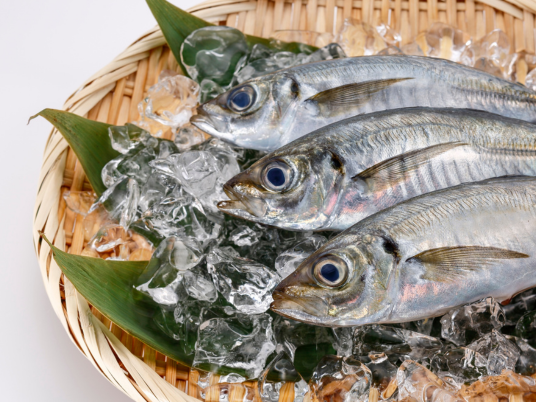
One of the easiest ways to answer how to choose fresh fish is to examine its overall physical appearance. Quality fish generally look clean, retain their natural appearance, and do not appear excessively dull.
Pay attention to the surface of the fish as well. Fresh fish typically have moist-looking skin, while their scales remain firmly attached. Scales that come off easily, an excessively dry surface, or unusual discoloration can be signs that the fish has experienced a decline in freshness.
The shape and structure of the fish should also be considered. Fresh fish generally maintain a relatively firm body structure. There should not be excessive physical damage or an unusual amount of slime on the surface.
After examining the external appearance, the inspection can continue by checking the eyes and gills, as these are among the easiest indicators of freshness to recognize.
Check the Fish’s Eyes and Gills
The eyes are the indicator of how to choose fresh fish, Eyes is the one of the parts commonly used to assess fish freshness. In fresh fish, the eyes generally appear clear, naturally prominent, and not excessively cloudy. If the eyes look significantly sunken, cloudy, or have lost their natural clarity, this may indicate that the fish is no longer at its optimal level of freshness.
Next, examine the gills. Fresh fish generally have gills that appear bright red or pinkish-red, depending on the species. The gills should also not produce an unusually strong or unpleasant odor.
The eyes and gills should ideally be examined together with the other physical characteristics. A single indicator is not always sufficient to determine the quality of a fish because characteristics can vary depending on the species and storage conditions.
Recognize Freshness Through the Fish’s Aroma
Aroma is another relatively simple indicator when purchasing seafood. Fresh fish generally have a mild, natural marine aroma that is not overly strong. This is different from a sour, rotten, or pungent smell, which may indicate a decline in quality.
When purchasing fish at a market, seafood shop, or from a supplier, it is reasonable to pay attention to its aroma. Fish that are properly stored under chilled conditions and handled correctly generally should not produce an unpleasant odor.
However, aroma should also be evaluated appropriately. Certain fish species naturally have a stronger characteristic aroma than others. Therefore, buyers should distinguish between the natural aroma of a particular species and an odor that indicates deterioration.
Check the Texture of the Fish Flesh
After examining the eyes, gills, and aroma, the texture of the flesh can provide another useful indication of freshness. Fresh fish generally have flesh that feels firm and resilient when gently pressed.
Flesh that is excessively soft, easily breaks apart, or remains indented after being gently pressed may indicate that the quality of the fish has declined. For whole fish, the body should also generally feel firm when handled.
For fish products that have already been processed into fillets, checking the texture becomes even more important. Quality fillets generally have a color consistent with the characteristics of the species, a moist but not excessively slimy surface, and flesh with a structure that remains intact.
How to Determine Quality Fish for Household and Business Needs
 Every buyer may have different requirements when purchasing fresh fish. For household consumption, buyers may only need a few kilograms of fish for daily meals or special occasions. Meanwhile, restaurants, hotels, and catering businesses require larger quantities with relatively consistent quality.
Therefore, determining the quality of fish should not be based solely on its condition at the time of inspection. The source of the product should also be considered. A supplier with proper storage, packaging, and distribution processes can help maintain fish quality throughout the delivery process.
For culinary businesses, consistency is an equally important factor. Products that arrive in good condition are easier to process and can help businesses maintain the quality standards of the dishes they serve to customers.
Tips for Choosing a Fish and Seafood Supplier
How to choose fresh fish? In addition to understanding the physical characteristics of fresh fish, choosing the right supplier is also important. A reliable supplier should ideally be able to provide information about product varieties, availability, handling procedures, and seafood distribution systems.
Choose a supplier that pays attention to product hygiene and storage conditions. For seafood deliveries, temperature management is an important part of maintaining quality during transportation. Appropriate packaging can also help protect products from contamination and changes in condition throughout the distribution process.
Good communication with a supplier can also make sourcing easier. Restaurants and culinary businesses, for example, can discuss fish sizes, cuts, order quantities, and delivery schedules according to their operational requirements.
Happy Farm Bali as a Seafood Supplier in Bali
For those looking for fish and seafood products in Bali, choosing a supplier that can provide products according to specific requirements is an important step. Happy Farm Bali can be considered as an option for consumers and businesses looking for seafood products in Bali.
As a Seafood Supplier in Bali, Happy Farm Bali can be considered for various seafood needs, whether for households or the culinary sector. Choosing a local supplier can also make the sourcing process more practical, particularly when product requirements need to be coordinated with the operating schedules of restaurants, hotels, catering companies, or food businesses.
Ultimately, understanding how to choose fresh fish is not simply about determining whether a fish looks appealing. Clear eyes, healthy-looking gills, a natural aroma, firm flesh, and well-maintained skin and scales are some of the indicators that can be examined. By combining a proper physical inspection with the selection of a reliable supplier, consumers can choose fish products that are better suited to their specific needs.