


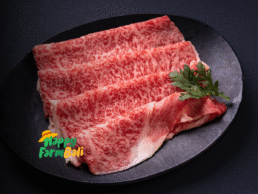
Wagyu Slice Supplier No.1: Happy Farm Bali
Wagyu Slice Supplier - In today’s modern culinary scene, ingredient quality is the key to perfection. Among the most desired ingredients in premium restaurants and hotels is Wagyu beef, the world-renowned Japanese beef famous for its exceptional tenderness and fine marbling. The luxurious taste and soft texture of Wagyu have made it the gold standard in the world of fine dining. In response to growing demand, Happy Farm Bali proudly stands as the trusted Wagyu Slice Supplier for restaurants and hospitality businesses across Bali.
The Unique Excellence of Wagyu Slice
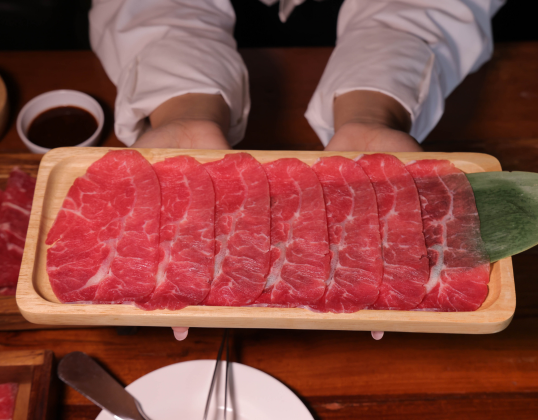
Wagyu is not just ordinary beef—it’s a culinary experience. What makes Wagyu exceptional lies in its marbling, the intramuscular fat that melts perfectly during cooking, creating a buttery, juicy flavor unlike any other. Every bite delivers a smooth, melt-in-your-mouth texture that elevates even the simplest dishes into gourmet masterpieces.
As a professional Wagyu Slice Supplier, Happy Farm Bali understands that great taste begins with high-quality cattle. Each cut of Wagyu they supply comes from carefully selected farms where the cattle are raised with balanced nutrition and humane treatment. This commitment ensures consistent flavor, tenderness, and quality in every slice that reaches customers.
Quality Assured through Precision Processing
True quality is defined not only by the product but by how it’s handled. Happy Farm Bali maintains strict quality control throughout every production stage—from slicing, packaging, to cold storage and delivery. As a reliable Wagyu Slice Supplier, they use advanced cold-chain systems to ensure the beef stays fresh, tender, and safe for consumption.
Each Wagyu slice is carefully portioned to achieve uniform thickness, making it ideal for various dishes such as shabu-shabu, sukiyaki, yakiniku, or BBQ grill. The vacuum-sealed packaging keeps the meat’s texture intact and prevents oxidation, allowing chefs to serve dishes with optimal flavor and juiciness every time.
Trusted Partner for the Horeca Industry
Happy Farm Bali has become a preferred Wagyu Slice Supplier for the hospitality and culinary industry across Bali. They serve hotels, restaurants, and cafés that demand consistent quality and reliable supply. Their professional logistics and cold storage systems guarantee on-time delivery, even during peak dining seasons.
For chefs, Happy Farm Bali’s Wagyu slice is both practical and premium. The even cut and ideal marbling make it easy to cook to perfection, whether it’s for a high-end steakhouse or a casual grill restaurant. This reliability has earned them long-term partnerships with many of Bali’s top dining establishments.
Varieties of Wagyu Slice for Every Culinary Need
One of Happy Farm Bali’s strongest advantages as a Wagyu Slice Supplier is its wide selection of Wagyu cuts. Customers can choose from premium options such as Ribeye, Short Plate, Chuck Roll, Brisket, or Striploin, each suitable for different culinary purposes.
For example, Ribeye slice is perfect for grilled or pan-seared dishes, while Short Plate is ideal for yakiniku and hot pot. Happy Farm Bali also offers various grades—A3, A4, and A5—so customers can select according to their desired balance of flavor, fat content, and price range. This flexibility allows both fine dining restaurants and home cooks to experience authentic Wagyu excellence.
Professional and Transparent Service
Beyond quality, Happy Farm Bali is known for its professional and transparent service. As the leading Wagyu Slice Supplier, they provide detailed information for each product, including origin, marbling grade, production date, and recommended storage methods.
The Happy Farm Bali team also offers personalized consultation for clients—helping chefs and business owners choose the most suitable Wagyu cut for their menu concept. Whether you’re curating a new menu or maintaining a signature dish, their expertise ensures that every customer gets the perfect product for their needs.
Commitment to Safety and Sustainability
In the modern food industry, sustainability and ethics play a vital role. Happy Farm Bali collaborates only with certified farms that uphold animal welfare and environmentally responsible practices. This ethical approach ensures that every Wagyu slice is not only delicious but also produced with care and integrity.
As a responsible Wagyu Slice Supplier, Happy Farm Bali guarantees that all its products are free from harmful additives or preservatives. Every process—from handling to packaging—follows national and international food safety standards. Customers can enjoy the luxury of Wagyu with full peace of mind, knowing that it’s safe and sustainably sourced.
Efficient Distribution and Responsive Support
Happy Farm Bali provides fast, efficient delivery services throughout Bali, covering areas such as Denpasar, Canggu, Seminyak, Ubud, and Jimbaran. Their cold storage fleet ensures every shipment maintains the ideal temperature during transportation, preserving the meat’s freshness and quality.
Customer support is also a top priority. The Happy Farm Bali team is always available to assist via phone, WhatsApp, or email, offering responsive communication and real-time updates. This dedication to service strengthens their reputation as a Wagyu Slice Supplier that values trust, consistency, and long-term client relationships.
Premium Quality at Competitive Prices
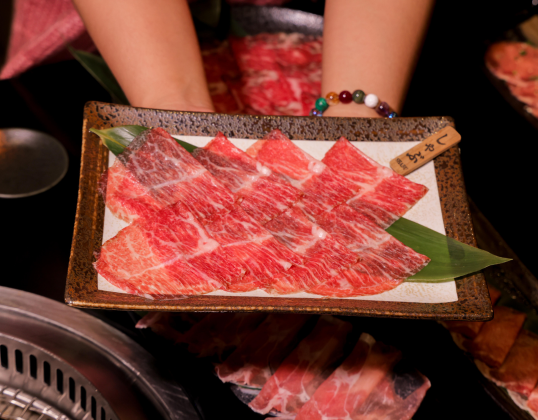
Despite the premium nature of Wagyu, Happy Farm Bali ensures fair and competitive pricing. They believe that top-quality meat should remain accessible to businesses and individuals who appreciate excellence. With flexible purchase options, customers can order in bulk for restaurants or smaller portions for private dining.
Their transparent pricing system ensures there are no hidden fees. Every kilogram of Wagyu reflects genuine value and traceable quality. This balance between affordability and luxury is what makes Happy Farm Bali stand out among other suppliers in the region.
Customer Satisfaction and Reputation
Many of Happy Farm Bali’s loyal clients—ranging from professional chefs to hospitality entrepreneurs—have shared their satisfaction with the consistent quality of the Wagyu slice. The meat’s soft texture, fresh color, and rich flavor have become trademarks of their products.
Restaurants that use Wagyu from Happy Farm Bali often report better customer feedback and increased menu appeal. The consistency and authenticity of their products are the reason the brand continues to be recognized as Bali’s most reliable Wagyu Slice Supplier.
Conclusion
True Wagyu excellence can only come from a supplier that values authenticity, quality, and integrity. Happy Farm Bali embodies all these principles through its commitment to premium standards, customer satisfaction, and sustainable sourcing.
Whether for five-star restaurants, catering services, or home chefs seeking a taste of luxury, Happy Farm Bali offers the perfect Wagyu slice for every culinary creation. Their dedication to maintaining freshness, taste, and ethical production makes them the most trusted Wagyu Slice Supplier in Bali.
To explore more about their premium products and delivery options, visit your trusted culinary partner here: Wagyu Slice Supplier in Bali.

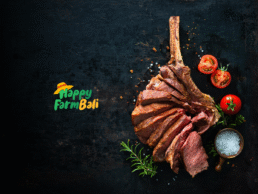
Tomahawk Angus Beef Supplier? Happy Farm Bali is The Answer
In recent years, Indonesia’s culinary scene has experienced remarkable growth, especially in the premium meat segment. Among the most sought-after products in the world of fine dining and gourmet cooking is the Tomahawk Angus Beef. Known for its superior quality, tender texture, and rich natural flavor, this luxurious cut has become a favorite among chefs and steak enthusiasts alike. The tomahawk is a distinctive cut taken from the ribeye section of the cow, with the long rib bone left intact, resembling a traditional Native American axe — hence the name “Tomahawk.”
Tomahawk Angus Beef: A Symbol of Luxury and Culinary Excellence
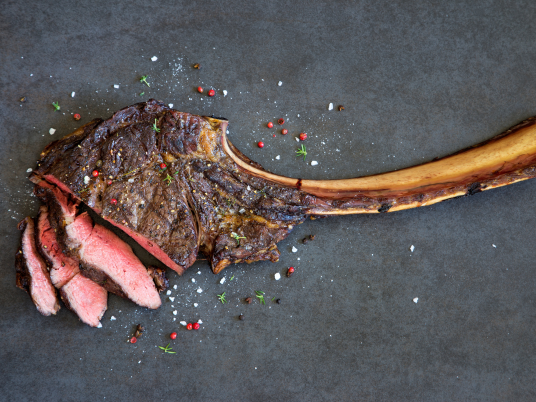
Tomahawk Beef comes from Black Angus cattle, one of the world’s most celebrated premium breeds, originating mainly from Australia and the United States. The defining characteristic of Angus beef is its fine marbling — the intricate network of intramuscular fat that creates a juicy, buttery texture and rich taste when cooked. The more evenly distributed the marbling, the higher the meat’s grade and value.
It’s no surprise that Tomahawk Angus Beef has become a symbol of luxury in the culinary world. This cut is not only visually stunning but also delivers an exceptional eating experience. Renowned steakhouses, upscale restaurants, and five-star hotels often feature tomahawk steak as their signature menu item. From the butchering process to the temperature-controlled storage, every detail is managed meticulously to preserve its premium quality and elevate its flavor profile.
Why Tomahawk Angus Beef Is Considered a Premium Product
There are several reasons why Tomahawk Angus Beef stands in a class of its own. First is genetics — the Black Angus breed naturally produces tender, flavorful meat with an ideal fat-to-muscle ratio. Second, Angus cattle are raised under strict standards: they are fed with high-quality feed, kept in comfortable environments, and routinely monitored to maintain their health and meat consistency.
Additionally, Angus beef often undergoes wet aging or dry aging — specialized techniques used to enhance tenderness and deepen the umami flavor. These processes require time, precision, and advanced facilities, which contribute to the higher production costs. Every stage, from breeding to butchering, reflects dedication to quality — making Tomahawk Angus Beef one of the most desirable and premium meats available in global and local markets.
Rising Demand and Limited Supply of Premium Meat
The demand for premium beef, including Tomahawk Angus Beef, continues to rise in Indonesia’s rapidly evolving culinary landscape. Bali, in particular, stands out as a hub for world-class dining experiences. Known not only as a tourist paradise but also as a culinary destination, Bali attracts chefs, restaurateurs, and food enthusiasts from around the world. From luxury hotels and fine-dining restaurants to high-end beach clubs, the island’s dining establishments constantly seek top-tier ingredients to impress their clientele.
However, ensuring a consistent supply of high-quality beef remains a major challenge. Not all distributors can deliver genuine, premium-grade meat while maintaining strict standards in handling, storage, and delivery. The logistics of importing and distributing premium meat in a tropical climate like Bali’s requires expertise, temperature-controlled systems, and reliable infrastructure. That’s why finding a trusted Tomahawk Angus Beef supplier is essential for businesses aiming to maintain their reputation for excellence.
The Importance of Premium Meat Distribution for Bali’s Culinary Industry
In the culinary business, ingredients define the soul of every dish. For steakhouses, luxury hotels, and upscale caterers, the quality of beef directly impacts customer satisfaction and brand reputation. Therefore, partnering with a professional and dependable Tomahawk Angus Beef supplier is crucial.
Premium meat distribution is not just about moving products from storage to kitchen. It involves precise cold chain management to maintain freshness and optimal texture, along with a logistics system that ensures timely delivery. A good supplier must also understand the specific requirements of each client — from preferred cut sizes to aging preferences and packaging formats.
Moreover, Bali’s international dining scene demands global standards. Restaurants catering to discerning guests from around the world must consistently serve top-quality beef that meets their expectations. This makes the presence of a local distributor with international sourcing capabilities and advanced storage technology vital. And that’s where Happy Farm Bali comes in as the ultimate solution.
Happy Farm Bali: Your Trusted Source for Tomahawk Angus Beef
As one of the leading premium meat suppliers in Bali, Happy Farm Bali has earned a reputation as a trusted partner among top restaurants, hotels, and culinary businesses across the island. With years of experience in meat distribution, Happy Farm Bali is committed to delivering exceptional quality products — from Tomahawk Angus Beef, ribeye, tenderloin, and striploin, to various types of imported sliced meats.
Happy Farm Bali works directly with reputable farms and producers in Australia and the United States, ensuring that every cut of beef entering Bali’s market is fully certified and meets international food safety standards. All products are stored in state-of-the-art cold storage facilities, maintaining the ideal temperature throughout the entire supply chain. Through an integrated cold chain system, Happy Farm Bali guarantees freshness, tenderness, and flavor preservation from warehouse to kitchen.
Another key strength lies in their personalized service. Whether serving boutique restaurants or large-scale hotel operations, Happy Farm Bali tailors its supply solutions to match each client’s specific needs. Their expert team also provides education on proper storage, handling, and cooking techniques for premium beef, ensuring chefs get the best possible results from every cut.
Why Choose Happy Farm Bali as Your Premium Meat Partner
There are several compelling reasons why Happy Farm Bali stands out as the go-to supplier for Tomahawk Angus Beef in Bali:
-
Guaranteed Quality – Every product is carefully selected and handled according to international standards.
-
Advanced Cold Chain System – Controlled temperature from storage to delivery keeps meat fresh and flavorful.
-
Consistent Availability – Reliable inventory management ensures steady supply for high-demand businesses.
-
Professional Service – A dedicated team ready to advise clients on choosing the right cuts for their menus.
-
Competitive Pricing – Offering premium quality at reasonable prices for maximum business value.
With these strengths, Happy Farm Bali is more than just a supplier — it’s a strategic partner for any culinary business aiming to deliver world-class dining experiences on the Island of the Gods.
Conclusion
The market for premium meat in Bali continues to expand as customers become more sophisticated and quality-driven. Tomahawk Angus Beef has emerged not only as a gourmet product but also as a symbol of culinary excellence and prestige. However, maintaining consistent quality and availability requires collaboration with the right supplier.
With its strong network, commitment to excellence, and deep understanding of the culinary industry, Happy Farm Bali has proven itself as the most reliable source for Tomahawk Angus Beef and other premium meats in Bali. For chefs, restaurateurs, and food entrepreneurs seeking to elevate their menus, Happy Farm Bali delivers not just meat — but a promise of quality, consistency, and world-class flavor in every cut.
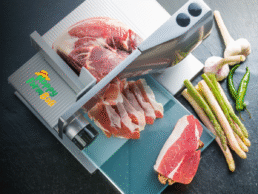
Beef Slice Bali by Happy Farm Bali
Beef Slice Bali - In recent years, the trend of consuming beef slice has become increasingly popular in various regions of Indonesia, including Bali. This product is known for its practicality and quality, making it ideal for a wide variety of culinary creations—from homemade dishes to fine dining menus. Beef slice Bali similar with other beef sliced, refers to meat that is thinly sliced using special techniques and equipment to maintain its texture and flavor. The main advantage of this type of meat lies in its ease of preparation—perfect for Japanese dishes such as yakiniku and shabu-shabu, as well as Indonesian dishes like stir-fried beef, satay lilit, or black pepper beef.
The Popularity of Beef Slice in the Culinary World
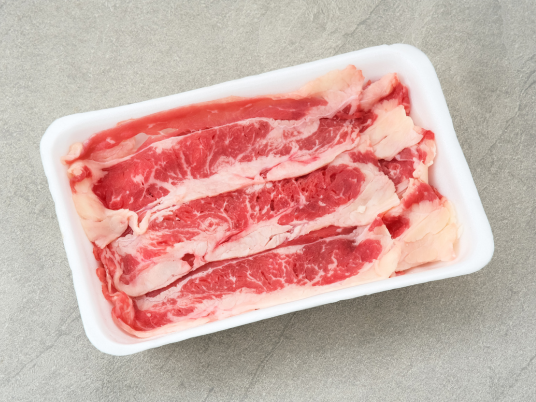
The popularity of beef slice did not emerge by chance. The rise of Korean and Japanese-themed restaurants across Indonesia has greatly influenced the growing demand for this product. Thinly sliced meat cooks faster, remains tender, and absorbs seasonings more effectively. Moreover, the slicing technique helps reduce waste by maximizing every part of the meat. Modern consumers now prefer food ingredients that are practical, hygienic, and versatile—and beef slice fulfills all those criteria.
Beyond functionality, lifestyle factors have also contributed to the rise of beef slice. Urban communities tend to seek quick cooking solutions without sacrificing taste or nutrition. Beef slice products come in modern packaging, easy to store in freezers, and ready to use anytime. With guaranteed quality, this product has become a top choice among culinary business owners, catering services, and homemakers seeking delicious meals without the hassle of cutting meat manually.
Distribution of Beef Slice Products in the Market
The distribution of beef slice products plays a vital role in maintaining a stable supply chain. In the culinary industry, time and freshness are crucial factors. Beef slice must be delivered using a reliable cold-chain system to ensure the product retains its quality from processing plants to the hands of consumers. Therefore, the presence of a professional and trustworthy meat distributor is the key to success in this business.
In tourist destinations such as Bali, the demand for beef slice products has grown rapidly along with the development of tourism and the culinary industry. Restaurants, hotels, and cafes across the island compete to serve high-quality meat dishes for both domestic and international visitors. To meet these needs, distributors must provide various types of beef slice—whether beef, chicken, or pork—with consistent hygiene and quality standards.
Good distribution is not only about fast delivery but also proper storage management, temperature control, and food safety assurance. High-quality Beef Slice Bali products are always packaged using vacuum technology and kept frozen at optimal temperatures to maintain color and aroma. These practices reflect the professionalism of a distributor in ensuring product quality until it reaches the end customer.
The Importance of Meat Distribution for Culinary Businesses in Bali
Bali is known as a diverse culinary destination. From local dishes like babi guling and satay lilit to international menus such as steak, yakiniku, and hot pot, all require high-quality meat ingredients. This is where reliable Beef Slice Bali distribution becomes essential. The culinary business cannot operate smoothly without a steady supply of quality ingredients.
Restaurants serving meat-based dishes must ensure that they receive products with perfect texture, uniform thickness, and natural flavor. Beef slice that is not fresh or has undergone multiple freezing cycles can affect the final taste of a dish. Therefore, collaboration with an experienced distributor is a strategic step for culinary entrepreneurs in Bali.
Moreover, the rapid growth of the culinary industry in Bali has encouraged the emergence of new menu variations using beef slice as the main ingredient. A good example is the shabu-shabu menu, now widely available in areas like Seminyak, Canggu, and Denpasar. Not only large restaurants but also modern eateries and trendy cafés have started using beef slice to attract younger customers. This phenomenon highlights the crucial role of distributors who can meet market demands quickly and consistently.
Beef Slice Bali: Between Quality and Innovation
The quality of Beef Slice Bali has gained increasing recognition thanks to innovations from local producers who prioritize international standards. The meat is processed with careful attention to the balance between tenderness, fat content, and slice thickness. This combination creates an ideal result for various cooking techniques. Additionally, packaging innovation adds further value. With vacuum-sealed technology, beef slice can last longer without losing its flavor and freshness.
Some distributors have even implemented digital ordering systems, making it easier for business clients to place orders online. This ensures that restaurants and hotels in Bali no longer need to worry about supply delays. Quality remains consistent, and distribution becomes far more efficient.
Happy Farm Bali: The Best Beef Slice Distributor in Bali
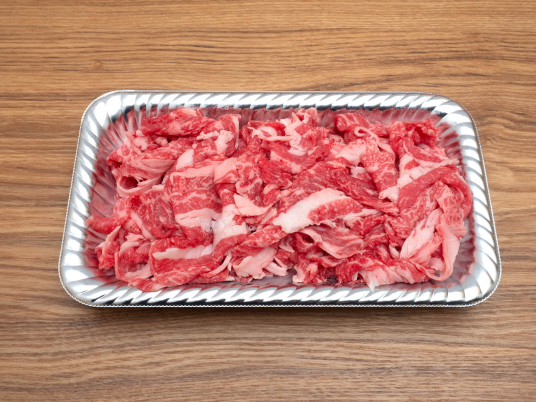
Among the many providers of Beef Slice Bali, Happy Farm Bali stands out as one of the most trusted and high-quality distributors. Renowned for its commitment to freshness, cleanliness, and professional service, Happy Farm has become a strategic partner for numerous restaurants, hotels, and culinary businesses across the island.
Happy Farm Bali offers a wide selection of premium beef slice Bali, ranging from high-quality imported beef and fresh chicken to ready-to-cook processed meat. Every product is processed under strict hygiene standards and packaged with modern technology to ensure it reaches consumers in its best condition. Furthermore, their distribution system uses cold storage and refrigerated vehicles to maintain stable temperatures throughout the delivery process.
Another strength of Happy Farm Bali is its fast and flexible service. The company understands that the culinary world moves dynamically and requires on-time supply. Therefore, Happy Farm provides an easy ordering system and customizable delivery schedules to suit customer needs. Many culinary business owners in Bali acknowledge that the quality of beef slice from Happy Farm Bali helps them maintain flavor consistency and uphold their restaurant’s reputation.
In addition to offering a variety of beef slice Bali, Happy Farm actively builds strong relationships with customers through product consultations. Their professional team is always ready to provide advice on selecting the most suitable beef slice types based on menu concepts and business requirements. This personalized approach makes Happy Farm Bali not just a distributor, but also a strategic partner in culinary business development.
Conclusion
The emergence of Beef Slice Bali has brought significant transformation to the culinary scene, especially in a tourism hub like Bali, where the demand for premium ingredients is high. This product is not only practical and efficient but also offers flexibility for a wide range of dishes. However, its success greatly depends on the role of distributors who can maintain both quality and supply continuity.
In this regard, Happy Farm deserves the title of The Best Beef Slice Distributor in Bali. With a commitment to excellence, fast service, and guaranteed product freshness, Happy Farm Bali has become the top choice for culinary business owners on the island. Therefore, if you’re looking for premium-quality Beef Slice Bali products with professional service, Happy Farm Bali is your best solution for all your culinary business needs.
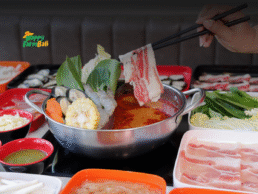
Short Plate Beef Hotel and Resorts from Happy Farm Bali
Short Plate Beef Hotel — In the culinary industry, especially in the hospitality and resort sector, the selection of raw ingredients plays a crucial role in determining the quality of the dishes served to guests. One of the most widely used ingredients in professional kitchens is short plate beef a cut of beef known for its tender texture, savory flavor, and rich natural fat. In Bali, the demand for short plate beef hotel continues to increase along with the growth of the tourism industry and the need for hotels to serve internationally standardized dishes. In this context, Happy Farm Bali emerges as a trusted meat distributor capable of meeting the needs of hotels and resorts throughout the island.
Understanding Short Plate Beef: A Flavorful Cut with Premium Taste
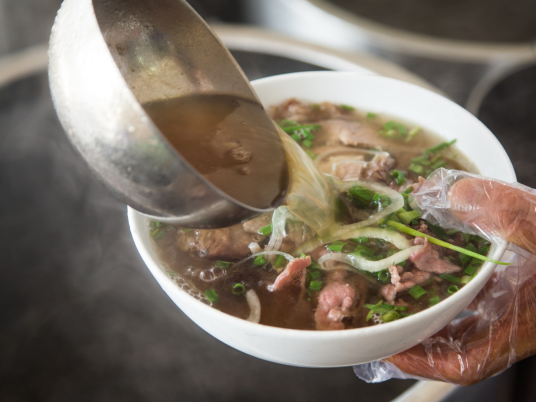
Short plate beef in Bali is a section of the lower belly of the cow, located between the brisket and the flank. This cut is characterized by its abundant marbling fat and fine meat fibers, making it ideal for various preparations such as yakiniku, shabu-shabu, barbeque, steak, and even fusion dishes found in hotel restaurants. The fat that seeps between the meat fibers creates a natural umami flavor and juicy texture when cooked properly.
In professional culinary settings, short plate beef is considered a versatile cut. Hotel chefs often use it not only because of its exquisite taste but also for its ease of preparation and tenderness when slow-cooked. The combination of rich flavor and soft texture makes short plate beef hotel a top choice in many premium menus.
The Role of Short Plate Beef in Hotel and Resort Kitchens
Hotels and resorts, particularly in tourist destinations like Bali, maintain high standards for food presentation. Guests come from different parts of the world, bringing with them expectations for taste, appearance, and ingredient quality. For this reason, short plate beef hotel has become one of the essential ingredients that must always be available in their kitchens. This cut plays a vital role in various menu types—ranging from Western-style breakfasts and beachfront barbecues to fine dining experiences at luxury restaurants.
In hotel kitchen operations, ingredient consistency is key. Inconsistent meat quality or texture can affect the final outcome of a dish. Therefore, hotels and resorts require a distribution partner that can supply short plate beef hotel with consistent quality standards. Besides quality, availability and delivery timeliness are also critical factors. Any delay in meat distribution can disrupt kitchen schedules and guest service.
With the continuous growth of tourism in Bali, the demand for premium meats such as short plate beef hotel has increased significantly. Consequently, major hotels now establish long-term partnerships with trusted local distributors who understand the demanding nature of the hospitality industry.
The Importance of Reliable Meat Distribution for Hotels and Restaurants
The distribution of food ingredients—especially fresh meat—is a crucial stage in maintaining product quality before it reaches hotel kitchens. Meat distributed without proper cold chain management can deteriorate in quality and even compromise food safety. This is why professional meat distributors must have standardized distribution systems, including cold storage facilities, hygienic packaging, and refrigerated delivery vehicles.
For hotels and resorts, hygiene and food safety are top priorities. Beyond taste and presentation, every ingredient entering the hotel kitchen must comply with international food safety standards. A professional distributor ensures that short plate beef remains at optimal temperature throughout the delivery process, preserving its texture, color, and freshness upon arrival.
Additionally, efficient distribution helps hotels maintain operational stability. With timely and consistent meat supply, chefs can design menus more flexibly without worrying about ingredient shortages. This is where the role of local distributors such as Happy Farm Bali becomes vital—not only focusing on product quality but also understanding the dynamic and demanding hospitality market in Bali.
Why Happy Farm Bali Is the Best Short Plate Beef Distributor
As one of Indonesia’s top culinary and tourism hubs, Bali holds high standards for food suppliers. In this regard, Happy Farm Bali stands out as a trusted solution for hotels, resorts, and restaurants that require premium meat supplies—especially high-quality short plate beef hotel.
Happy Farm Bali has years of experience distributing various types of beef, poultry, and frozen products to five-star hotels, international resorts, and renowned restaurants across Bali. Each short plate beef cut supplied by Happy Farm Bali undergoes strict quality control—from selecting the best cattle, hygienic processing, to modern vacuum packaging that preserves the meat’s natural freshness.
The excellence of Happy Farm Bali lies not only in its products but also in its customer service and logistics systems. The company operates a modern fleet of refrigerated vehicles to ensure that every delivery arrives in perfect condition. Ordering is also quick and convenient, supported by a responsive team that caters to hotels’ urgent restock needs. With an efficient distribution management system, Happy Farm Bali maintains continuous supply without compromising quality.
Furthermore, Happy Farm Bali’s commitment to sustainability and local sourcing adds extra value. The company partners with local farmers to support Bali’s economy while ensuring a steady and sustainable supply of fresh meat. This aligns with the global hospitality trend that emphasizes sustainability in the supply chain.
Short Plate Beef Hotel: A Reflection of Kitchen Quality and Professionalism
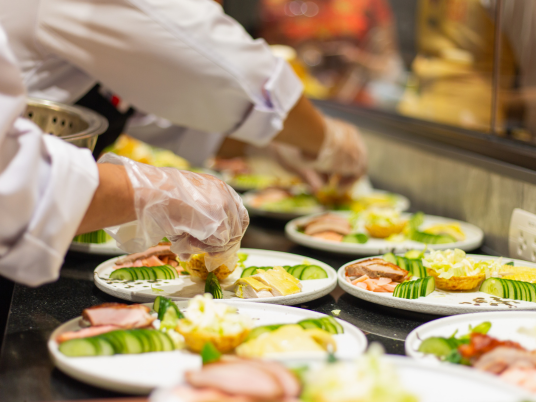
In professional culinary environments, high-quality ingredients are the foundation of every exceptional dish. Short plate beef hotel is more than just an ordinary cut of meat; it represents quality, craftsmanship, and dedication to creating the finest dining experiences for hotel guests. Its tender texture, natural savoriness, and versatility make this cut a favorite in many fine dining establishments.
When a hotel chooses a distributor such as Happy Farm Bali, it’s not merely purchasing ingredients—it’s building a strategic partnership that guarantees quality and reliability. The availability of high-grade short plate beef allows chefs to innovate continuously and craft new dishes that delight guests’ palates.
Conclusion: Happy Farm Bali, the Best Partner for Short Plate Beef Hotel
The demand for short plate beef hotel in Bali continues to rise alongside the expansion of the hotel and resort industry. This flavorful cut of meat has become an essential element in premium dishes served to both domestic and international travelers. To uphold world-class culinary standards, hotels need a distribution partner that not only provides high-quality products but also understands logistics and supply consistency.
Happy Farm Bali has proven itself as a trusted meat distributor that prioritizes quality, punctuality, and professional service. With a strong commitment to excellence and customer satisfaction, it has become the top choice for many hotels and resorts in Bali seeking to ensure that every meat dish served to guests meets the highest standards of taste and quality.
If you are looking for premium-quality short plate beef hotel with fast, safe, and freshness-guaranteed distribution, Happy Farm Bali is the best recommendation for your professional culinary needs.
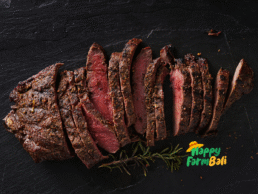
Best Gianyar Meat Supplier: Happy Farm Bali
Gianyar Meat Supplier - In the world of culinary and food supply, choosing the right Gianyar Meat Supplier is an essential step to maintain taste, hygiene, and customer trust. In the Gianyar area, the demand for fresh meat continues to grow — from restaurants and hotels to catering services and households. The quality of meat not only determines flavor but also reflects professionalism and commitment to customer satisfaction.
Why Choosing the Right Meat Supplier Matters

For many culinary business owners, Best Gianyar Meat Supplier is more than just a provider of raw ingredients — they are a strategic partner who ensures consistency in taste and quality for every dish served. Fresh, hygienic, and properly distributed meat helps build a reliable brand reputation.
When selecting a meat supplier, several key factors should be considered:
- Product quality and freshness. The meat should come from trusted farms, processed under strict hygiene standards, and stored at ideal temperatures.
- Consistency of supply. Restaurants and hotels rely on a steady supply to avoid disruption in daily operations.
- Competitive pricing. A professional supplier provides stable prices despite market fluctuations.
- Professional service. Quick communication, punctual delivery, and flexible ordering options add great value.
- Legal certification. Licensed and certified Gianyar Meat Supplier guarantee compliance with food safety regulations.
Characteristics of a Reliable Gianyar Meat Supplier
A reputable Gianyar Meat Supplier can be identified by their handling process — from farm to delivery. Professional suppliers maintain hygienic cutting systems, cold storage facilities, and refrigerated transport to ensure freshness throughout the entire distribution chain.
They also apply traceability standards, meaning every meat product can be tracked back to its origin. This transparency provides customers with confidence, knowing their meat is sourced responsibly.
A quality Gianyar Meat Supplier usually offers a wide range of meat products — including beef, chicken, pork, and lamb. Some even provide processed items such as sausages, minced meat, and meatballs at hotel-grade quality. Having a single, reliable supplier for all meat needs saves both time and operational costs.
Distribution Process and Food Safety
The distribution process is a crucial stage in maintaining meat quality. A trusted Gianyar Meat Supplier must implement a well-maintained cold chain system, ensuring that meat remains at the correct temperature from the processing facility to the customer’s kitchen.
This system not only preserves freshness but also prevents bacterial growth that can compromise quality. For hotels and restaurants in Gianyar, food safety is non-negotiable since it directly affects guest satisfaction and brand reputation.
Professional suppliers regularly conduct laboratory tests to guarantee their products are free from harmful chemicals, antibiotics, or residues. As consumer awareness of healthy food increases, customers now prefer Gianyar Meat Supplier that offer safety, transparency, and guaranteed quality.
The Role of Gianyar Meat Supplier in Bali’s Culinary Industry
The presence of Gianyar Meat Supplier plays a vital role in Bali’s thriving culinary industry. Many restaurants, villas, and catering businesses depend on daily meat supply. Any disruption can lead to significant operational issues.
With the rapid growth of tourism and dining businesses in Gianyar, the need for professional meat suppliers continues to rise. Reliable suppliers must balance high demand with product quality, supported by strong logistics, organized inventory management, and responsive delivery teams.
Some Gianyar Meat Supplier are even adopting digital systems that allow customers to order directly through websites or apps — providing real-time pricing and flexible delivery schedules. This modernization proves that the meat supply industry in Gianyar is moving forward with technology.
Benefits of Partnering with a Professional Meat Supplier
Collaborating with a professional Gianyar Meat Supplier offers numerous benefits:
- Guaranteed freshness: Daily supply of fresh meat with strict quality control.
- Ease of ordering: Transparent and fast ordering systems.
- Timely delivery: Efficient logistics ensure business continuity.
- Stable pricing: Protects your operations from sudden market price changes.
- Responsive customer service: A team ready to support every client’s needs.
For both small and large-scale culinary businesses, these factors contribute directly to long-term success. A supplier’s reliability can be the foundation of a strong and consistent brand reputation.
Meat Demand and Market Potential in Gianyar
Gianyar is home to popular tourist destinations such as Ubud, surrounded by luxury villas, restaurants, and cafes. The demand for high-quality meat continues to increase, creating opportunities for Gianyar Meat Supplier to grow and expand their market.
Local consumers are also becoming more selective in choosing food sources. Awareness of clean and healthy eating habits drives them to purchase meat from trusted suppliers that prioritize quality and hygiene.
Furthermore, the rising number of catering services, restaurants, and coffee shops in Gianyar boosts the need for reliable Gianyar Meat Supplier who can provide not only daily supply but also long-term cooperation. This professional approach distinguishes trusted suppliers from ordinary ones.
The Best Gianyar Meat Supplier: From Farm to Table
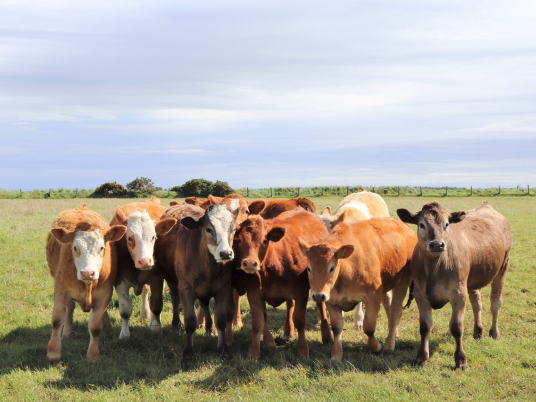
Finding the best Gianyar Meat Supplier requires careful evaluation. Factors such as business legality, customer testimonials, product quality, and service consistency are crucial indicators. The best suppliers are those who educate their customers about proper meat storage and handling to maintain quality.
For any culinary business, choosing a transparent and professional supplier saves time, cost, and effort in the long run. A steady supply ensures smooth kitchen operations and consistent customer satisfaction.
Happy Farm Bali: Your Trusted Gianyar Meat Supplier
Among the leading names in the region, Happy Farm Bali stands out as a Trusted Meat Supplier. With years of experience in delivering high-quality fresh meat, Happy Farm Bali provides complete solutions for restaurants, hotels, catering services, and households.
Every product is handled through a temperature-controlled supply chain, processed under hygienic standards, and sourced from healthy, well-managed farms. With its commitment to quality, punctual delivery, and professional service, Happy Farm Bali has earned its reputation as one of the best Gianyar Meat Supplier available today.
Choosing the right Gianyar Meat Supplier is an essential investment for anyone who values quality, hygiene, and reliability. In a competitive food industry, fresh and high-quality meat is the foundation of every delicious meal. With trusted suppliers like Happy Farm Bali, the meat supply chain in Gianyar is now safer, more consistent, and more reliable than ever — helping both businesses and households enjoy the finest meat every day.
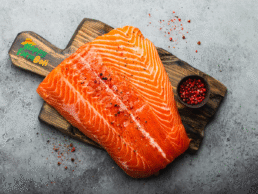
Happy Farm Bali: Trusted Salmon Fillet Horeca
Salmon Fillet Horeca - Salmon is one of the premium fish varieties known for its high nutritional value and exceptional taste. Worldwide, salmon is recognized as a nutritious food source, rich in omega-3 fatty acids, high-quality protein, as well as essential vitamins and minerals that support overall health. In Indonesia, demand for salmon continues to rise, in line with the growth of healthy lifestyle trends and the popularity of Japanese and Western cuisines that use salmon as a main ingredient. The uniqueness of salmon lies not only in its taste but also in its versatility—it can be prepared in countless ways, from sashimi and sushi to grilled steaks and modern fusion dishes.
Within the Horeca (Hotel, Restaurant, and Catering) industry, salmon plays an essential role. Guests at five-star hotels or high-end restaurants often seek dining experiences that are different from everyday meals. Salmon fillet is among the top choices because it represents quality and prestige. Offering salmon-based dishes, whether raw or cooked, often determines the level of guest satisfaction. This is why a consistent supply of salmon fillet Horeca—fresh and premium in quality—is a must-have in the world of premium culinary businesses.
Salmon distribution itself is far from simple. Since salmon is not locally sourced in Indonesia, the majority of supply depends on imports from leading producers such as Norway, Scotland, and Chile. Its global distribution requires strict handling procedures, from cold storage and cold-chain transportation to hygienic packaging, to maintain its freshness. In the Horeca business, professional salmon distribution ensures restaurants and hotels can consistently deliver their best menus without compromising quality. This is why trusted distributors play a vital role in sustaining the salmon fillet supply chain for Indonesia’s market.
Salmon Fillet Horeca and Its Importance in the Culinary Industry
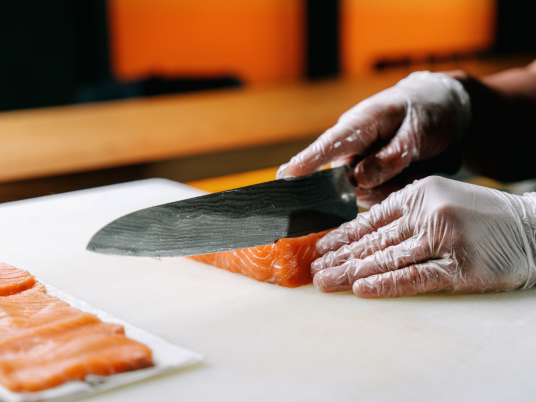
Salmon fillet Horeca is not just a ready-to-cook fish cut, but also a symbol of high culinary standards. Salmon fillets specifically supplied for Horeca are usually of premium quality, with uniform size and thickness, making them easier for chefs to process. Consistency matters because restaurants and hotels need ingredients that are not only delicious but also stable in presentation.
The quality of salmon used in Horeca is strongly tied to a business’s branding and reputation. Restaurants that consistently serve fresh salmon with authentic flavors earn customer trust and gain a competitive edge. In many cases, a hotel or restaurant’s ability to serve outstanding salmon dishes even contributes to positive ratings and online reviews.
Meanwhile, the rise of health-conscious lifestyles also drives higher salmon consumption in Indonesia. Guests at hotels and restaurants are increasingly selective, preferring meals that are both delicious and nutritious. Salmon, with its rich omega-3 fatty acids, is believed to promote heart, brain, and immune health. This makes salmon fillet Horeca one of the most sought-after ingredients among professional chefs and modern consumers alike.
Challenges in Salmon Distribution for Horeca
Ensuring a reliable salmon supply for Horeca is no easy task. The challenges include logistics, stock availability, and timely delivery. Because salmon is mostly imported, the supply chain must undergo several steps: quality inspections, cold storage, and specialized transport.
If any of these stages are compromised, the salmon’s freshness will quickly deteriorate, affecting texture, aroma, and flavor, ultimately harming hotels and restaurants. That’s why Horeca businesses require distributors who can guarantee quality from import to final delivery.
Price stability also plays a critical role. Professional distributors are usually able to offer consistent pricing despite fluctuations in the global market. This allows Horeca businesses to plan their menus and costs more effectively.
Happy Farm Bali: The Solution for Salmon Fillet Horeca
Amid the growing demand for premium salmon fillets, Happy Farm Bali has emerged as a trusted supplier and distributor in Indonesia, particularly in the Bali area. The brand has long been committed to providing salmon fillet Horeca with international standards, tailored to the needs of hotels, restaurants, and catering businesses.
Happy Farm Bali understands that consistency in quality is the most crucial factor in the premium culinary industry. That’s why the company ensures its supply chain is fully supported by a guaranteed cold chain system. From storage and packaging to delivery, every process is handled with strict hygiene standards to maintain freshness.
For Horeca businesses in Bali, Happy Farm Bali offers more than just fresh salmon fillets—it provides reliable partnership support that ensures smooth operations. With a professional distribution network, Happy Farm Bali guarantees that every order arrives on time and in top condition.
Advantages of Happy Farm Bali in Supplying Salmon Fillet Horeca
- Guaranteed Premium Quality
Happy Farm Bali consistently delivers salmon fillets that meet Horeca standards, with uniform cuts, fresh meat, and contamination-free handling. - On-Time Distribution
Supported by a dependable logistics system, orders of salmon fillet Horeca always arrive as scheduled, ensuring smooth hotel and restaurant operations. - Competitive Pricing
Despite offering premium products, Happy Farm Bali provides competitive prices, helping Horeca businesses maintain profitability. - Professional Service
The Happy Farm Bali team offers excellent service and consultation to customers, from ordering to delivery.
Recommendations for Horeca Businesses
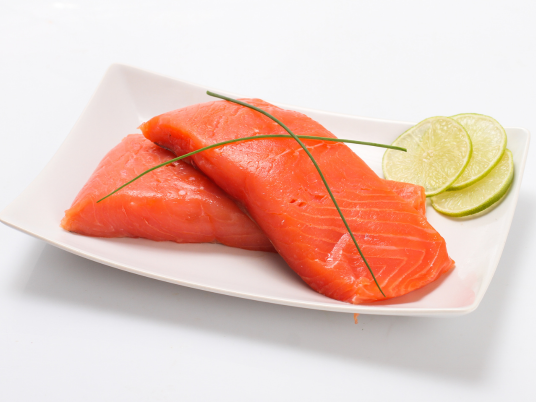
For those engaged in the hotel, restaurant, or catering industry, choosing a trusted salmon distributor is essential to maintaining quality. Never risk your restaurant’s reputation with subpar or delayed ingredients. By choosing Happy Farm Bali, you’re not only ensuring access to premium salmon fillet Horeca but also building a long-term, beneficial partnership.
Happy Farm Bali has already proven itself as one of the most reliable salmon distributors in Bali, with a strong track record and an excellent reputation among culinary businesses. If your goal is to deliver premium dining experiences, then Happy Farm Bali is the right partner to support your supply needs.
Salmon is more than just a premium fish—it is an essential part of modern culinary businesses. In the Horeca industry, premium salmon fillet Horeca enhances menu appeal and strengthens the image of restaurants and hotels. Yet, all of this is only possible with the support of a professional and trusted distributor.
As a leading supplier of salmon fillet Horeca in Indonesia, particularly Bali, Happy Farm Bali has proven its commitment to delivering premium products with excellent service. By choosing Happy Farm Bali, Horeca businesses can focus on menu creation and customer satisfaction without worrying about ingredient quality.
If you want to offer the very best to your hotel guests and restaurant visitors, entrust your salmon fillet Horeca needs to Happy Farm Bali—your trusted partner for premium culinary excellence.
Horeca Trout Supplier for 5-Star Hotels and Restaurants
Horeca Trout Supplier - The culinary industry continues to grow along with the increasing demand from consumers for high-quality dining experiences. One ingredient that is becoming increasingly popular among five-star hotels and restaurants is trout. This fish has a distinctive flavor, tender meat texture, and high nutritional value, making it an ideal choice for a variety of premium dishes. In the world of Horeca (Hotel, Restaurant, and Catering), the quality of raw ingredients is a key factor in ensuring customer satisfaction. Therefore, the presence of a trusted Horeca Salmon Trout Supplier is crucial to maintaining consistent culinary standards.
Understanding Trout and Its Uniqueness
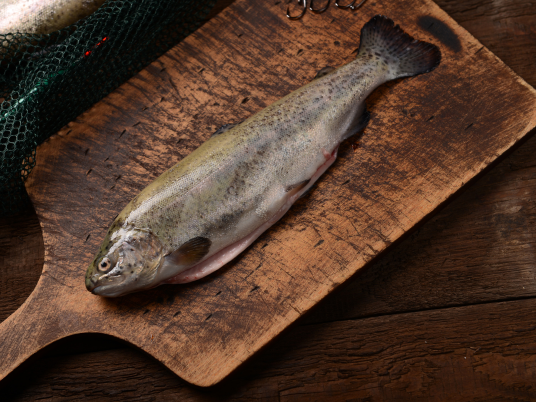
Trout is a type of freshwater fish closely related to salmon. Its natural habitat lies in clear and cold waters, which allow the fish to grow with reddish-colored flesh that is rich in protein and omega-3. The delicate and naturally savory flavor of trout makes it a favorite ingredient among professional chefs, especially in fine dining menus.
Unlike many local fish, trout has a smooth meat texture with a light aroma, making it versatile for various cooking techniques—from grilling and smoking to being served raw as sashimi. It’s no wonder that demand for fresh trout continues to rise, particularly among five-star hotels that always strive to deliver exclusive menu options for their guests.
The Importance of a Horeca Trout Supplier in the Culinary Industry
The Horeca industry is a sector that heavily depends on ingredient quality and consistency. Five-star hotels and restaurants do not just serve food; they offer a luxury dining experience that must meet high expectations. In this context, the role of a reliable Horeca Trout Supplier is vital for:
- Ensuring Premium Quality
Horeca Trout supplied must meet high standards in terms of freshness and farming practices. Trusted suppliers typically follow strict cultivation methods to ensure the fish is free from harmful chemicals. - Consistent Supply
Five-star restaurants cannot rely on inconsistent deliveries. Reliable suppliers guarantee routine distribution so that trout stock is always available for daily menus and special events. - Operational Efficiency
By working with dedicated Horeca suppliers, hotels and restaurants no longer need to deal with complex logistics or storage issues. This allows chefs and kitchen teams to focus on culinary creativity. - Food Safety
Experienced suppliers always comply with international food safety standards. From handling to packaging and distribution, everything is done hygienically, ensuring hotels and restaurants receive trout of the highest quality.
Challenges in Providing Trout for Horeca
Despite the high demand, horeca trout supplier is not without challenges. Weather conditions, water quality, and delivery logistics can all pose difficulties. In addition, sustainability trends are increasingly emphasized. Five-star restaurants are becoming more selective in choosing suppliers who not only guarantee quality but also implement eco-friendly and sustainable practices.
This is why local suppliers who can overcome these challenges provide the best solution. Local sourcing often ensures faster delivery, keeping the trout fresh by the time it arrives in the restaurant kitchen.
Horeca Trout Suppliers and 5-Star Hotel Standards
Five-star hotels have strict standards in every aspect of their operations, including food ingredients. Trout supplied must meet the following criteria:
- High-Level Freshness: Fish must be delivered in the best condition, often directly after harvest.
- Consistent Taste and Texture: Trout must retain the same quality every time it is served.
- Health Certification: Suppliers must have official licenses and recognized food safety certifications.
- Product Availability: A stable supply is essential to prevent kitchen operations from being disrupted.
With such high standards, not every supplier is capable of meeting Horeca demands, especially those of five-star hotels whose reputation depends heavily on the quality of their dishes.
Happy Farm Bali: The Best Salmon Trout Supplier in Bali
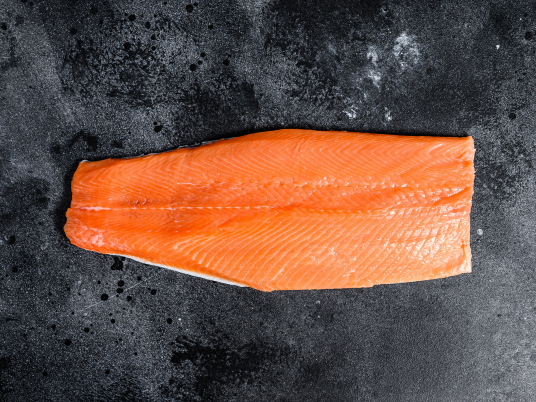
As an international tourist destination, Bali is renowned for its luxury and world-class culinary industry. Many five-star hotels and restaurants in Bali require a steady supply of premium trout. One name that has earned a strong reputation as the best Horeca Trout Supplier is Happy Farm Bali.
Happy Farm Bali provides a solution for the premium culinary industry by supplying high-quality trout and salmon trout. Its strengths include:
- International Farming Standards: Happy Farm Bali uses modern, eco-friendly, and sustainable aquaculture systems.
- Maximum Freshness: Distribution is carried out quickly and precisely, ensuring the fish remains fresh when it reaches hotel or restaurant kitchens.
- Premium Quality: Each trout offers delicate meat texture and authentic flavor that meet international culinary standards.
- Trusted Horeca Partner: Happy Farm Bali is a recognized supplier to various five-star hotels and fine dining restaurants in Bali, proving its credibility and consistency.
Horeca Trout Suppliers Conclusion
In the Horeca industry, ingredient quality is the key to delivering the best dining experiences for guests. Trout, with its delicious taste and rich nutrition, has become a favorite in five-star kitchens. The presence of a reliable Horeca Trout Supplier plays a decisive role in ensuring smooth operations and maintaining brand reputation.
For Horeca businesses in Bali, Happy Farm Bali stands out as the ideal partner. With international standards, guaranteed freshness, and a commitment to sustainability, Happy Farm Bali rightfully earns its place as the best Salmon Trout Supplier in Bali. Supported by such a supplier, five-star hotels and restaurants can continue to deliver exceptional dishes that captivate both the palate and the heart of every guest.

No.1 Supplier Horeca for High-Quality Restaurants & Hotels
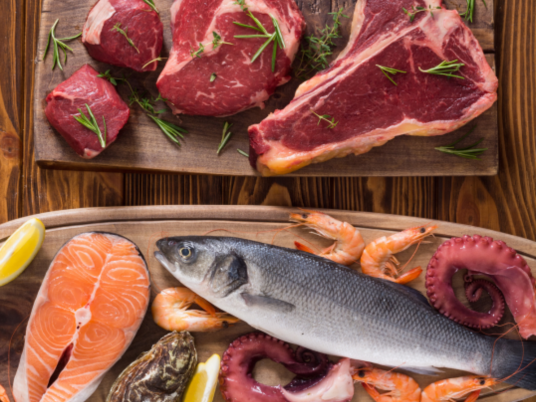
This country is not only a world-renowned tourist destination famous for its natural beauty and cultural richness but also a growing hub for the culinary and hospitality industries. With the rising number of restaurants, hotels, and cafés, the demand for high-quality ingredients has never been greater. From premium beef, fresh salmon, to a wide variety of seafood, these elements are essential to maintaining the culinary standards expected in Indonesia. This is where the role of a Supplier Horeca becomes crucial, ensuring that hotels, restaurants, and culinary businesses consistently deliver top-notch dishes that meet international standards.
The Importance of Horeca Suppliers
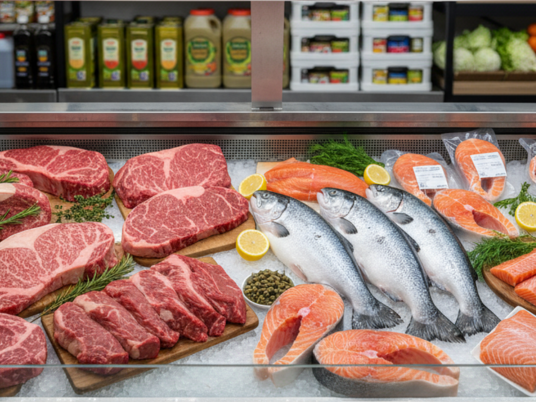
The hospitality and restaurant industries in rely heavily on consistent ingredient supplies. Without the support of a reliable Supplier Horeca, it would be challenging for any establishment to maintain quality, flavor, and presentation. Reliable supply is not just about quantity—it’s about quality, timely delivery, and ensuring that every product arrives fresh and safe to consume.
Professional suppliers understand the unique requirements of the horeca (hotel, restaurant, café) sector. This includes specific cuts of premium wagyu beef, fresh salmon delivered under controlled cold-chain conditions, and a wide selection of both local and imported seafood. Such demands can only be met by suppliers with strong expertise and a well-established distribution system.
Premium Beef for Culinary Excellence
Indonesia is home to many fine dining establishments that highlight dishes such as steaks, barbeques, and other beef-based specialties. As a result, the demand for premium beef—such as wagyu, angus, and high-grade local beef—is consistently high.
A Supplier Horeca plays a vital role in providing a range of beef options that restaurants can align with their target market. Beyond imports, reputable suppliers also collaborate with local farmers to ensure a sustainable supply of fresh meat. This consistency allows chefs to create dishes that not only taste outstanding but also maintain texture and flavor uniformity, critical for guest satisfaction.
Fresh Salmon, a Modern Menu Essential
Salmon has become a favorite in many restaurants, featured in dishes like sashimi, sushi, poke bowls, and grilled entrées. The greatest challenge in supplying salmon lies in maintaining its freshness from shipment to the restaurant kitchen.
A reliable Supplier Horeca invests in cold chain systems to ensure salmon remains in pristine condition. This is essential, as even the slightest mishandling can compromise quality or pose health risks. With consistent deliveries of fresh salmon, Bali’s restaurants can confidently serve international-standard dishes that delight travelers from across the globe.
Fresh Seafood, Bali’s Culinary Strength
Blessed with rich marine resources, Bali offers an abundance of seafood—ranging from prawns, crabs, lobsters, squid, to a variety of fresh fish. It’s no surprise that seafood has become a cornerstone of the island’s culinary identity. However, the high demand requires professional handling to prevent shortages or quality degradation.
A trusted Supplier Horeca Bali provides both local and imported seafood, delivered with care to preserve authentic taste and freshness. This enables chefs to innovate across menus, from seafood grills and pasta to traditional Balinese dishes rich in spices. Reliable suppliers ensure that the island’s culinary scene continues to thrive with diversity and excellence.
Challenges in Choosing a Supplier Horeca Bali
While many distributors operate in Bali, not all meet the stringent requirements of the horeca industry. Common challenges faced by businesses include:
- Inconsistent quality – Products may vary between deliveries.
- Unreliable delivery schedules – Late shipments can disrupt operations.
- Limited product range – Restaurants often require diverse ingredients for complex menus.
- Lack of professional support – Premium suppliers typically also provide product consultations, menu recommendations, and after-sales service.
Therefore, selecting a supplier goes beyond price—it requires evaluating credibility, experience, and reliability.
Trusted Supplier Horeca
 In Bali’s highly competitive culinary landscape, having a dependable supplier is a long-term investment. Among the most trusted names is Happy Farm.
Happy Farm Bali has earned recognition as a Supplier Horeca that restaurants, hotels, and cafés can rely on. With expertise in distributing premium beef, fresh salmon, and high-quality seafood, the brand understands the elevated standards of the culinary industry. Beyond quality, Happy Farm Bali emphasizes a professional distribution system that ensures products reach clients in optimal condition.
Why Choose Happy Farm Bali as Your Horeca Supplier
Several key strengths make Happy Farm Bali a top choice:
- Premium Product Quality: From beef to salmon and seafood, every item undergoes strict selection.
- Professional Distribution: Supported by a cold chain system to maintain freshness.
- Wide Product Range: Offering a complete selection for restaurants, hotels, and cafés.
- Responsive Service: A dedicated team ready to assist with client needs.
- Trusted Partnerships: Widely chosen by leading culinary businesses in Bali.
With these advantages, Happy Farm Bali is more than just a supplier—it is a strategic partner that supports the success of Bali’s hospitality and culinary industries.
A Supplier Horeca plays a pivotal role in maintaining the high standards of the island’s vibrant food and hospitality sector. From premium beef and fresh salmon to a wide array of seafood, every ingredient requires professional handling to ensure quality and consistency. For restaurants and hotels aiming to uphold their reputation and guest satisfaction, choosing a trusted supplier in Indonesia is a strategic necessity.
Among the many options available, Happy Farm Bali stands out as a highly recommended supplier. With premium products, professional distribution, and consistent service, Happy Farm Bali has become a trusted partner that strengthens the culinary excellence of Bali’s hospitality industry.

Happy Farm Bali: Horeca Food Supplier
Horeca Food Supplier - Bali is globally recognized as one of the top tourist destinations, home to thousands of hotels, resorts, villas, and restaurants catering to travelers from every corner of the world. With the rapid growth of the hospitality industry, the demand for premium food ingredients has also increased significantly. From five-star hotels to fine dining restaurants and modern cafés, each establishment requires a reliable Horeca Food Supplier that can consistently deliver premium beef, fresh salmon, and high-quality seafood.
Speed, service excellence, and guaranteed availability are the keys to why a supplier can be considered number one in Bali. Among the many players in the industry, Happy Farm Bali has proven itself as a trusted partner, ensuring the highest quality products and services for Horeca businesses across the island.
The Importance of a Horeca Food Supplier in Bali
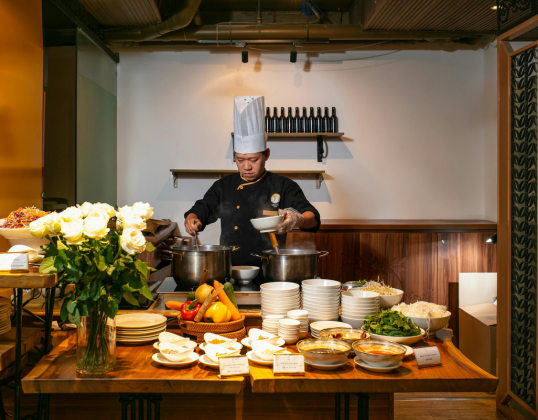
As a world-class tourism hub, Bali does not only showcase its beaches, culture, and luxury accommodations but also its culinary excellence. Hotels and restaurants must deliver dishes that meet international standards and satisfy both local and foreign guests. To achieve this, they rely heavily on a dependable Horeca Food Supplier.
A supplier’s role goes far beyond simply delivering products. They must maintain consistent quality, ensure timely deliveries, and provide a wide selection of premium ingredients. For instance, premium beef must be tender, flavorful, and meet international grading standards. Salmon should always arrive fresh, rich in nutrients, and safe for consumption. Similarly, seafood such as shrimp, crabs, and lobsters must be handled with care to preserve their natural taste and freshness.
Without the support of a trustworthy supplier, it would be nearly impossible for hotels and restaurants to keep their menus consistent, especially during peak tourist seasons or large-scale events.
Premium Beef for the Hospitality Industry
Beef is one of the most essential ingredients in the Horeca sector. Whether for steaks, burgers, or fusion dishes, the quality of beef directly influences the final outcome of a meal. A reliable Horeca Food Supplier must offer premium beef with the perfect marbling, superior texture, and authentic taste.
Happy Farm Bali understands this demand and provides carefully selected premium beef from trusted sources. Every cut is processed with strict attention to freshness and storage quality. With a well-maintained supply chain, chefs across Bali can rely on consistently high-quality beef to deliver outstanding culinary creations.
Fresh Salmon for Hotels and Restaurants
Salmon is one of the most sought-after ingredients, particularly for menus such as sushi, sashimi, and Western-style dishes. The growing trend of healthy dining has also increased the demand for salmon as it is rich in protein and omega-3 fatty acids.
As a Trusted Horeca Food Supplier, Happy Farm Bali ensures salmon arrives in excellent condition. Using strict cold chain distribution systems, they maintain freshness from source to kitchen. This commitment allows hotels and restaurants to confidently serve dishes with salmon that meet international culinary standards.
Premium Seafood: A Tourist Favorite
Beyond beef and salmon, seafood plays a central role in Bali’s hospitality industry. International tourists often seek tropical seafood dining experiences, making dishes such as grilled lobster, prawns, and clams among the most popular choices.
Happy Farm Bali offers a wide selection of seafood with guaranteed freshness and premium quality. Each product is carefully sourced and inspected to ensure only the best reaches their Horeca partners. As a result, hotels and restaurants can serve flavorful, nutrient-rich seafood dishes that leave lasting impressions on their guests.
Service Excellence: The Key to Trust
While product quality is crucial, exceptional service is what builds long-term trust. In the Horeca industry, time is invaluable. Delayed deliveries can directly disrupt restaurant operations or hotel dining services. That’s why a Horeca Food Supplier that prioritizes speed, accuracy, and reliability will always stand out.
Happy Farm Bali has built its reputation not only on product quality but also on professional customer service. With a responsive team, modern distribution systems, and a commitment to punctuality, they continue to be a reliable partner for Horeca businesses in Bali.
Consistent Availability of Ingredients
One of the biggest challenges in the Horeca industry is ensuring the consistent availability of ingredients. Demand can surge unexpectedly during holiday seasons or international events in Bali. A supplier that fails to secure stock risks disrupting hotel and restaurant operations.
Happy Farm Bali addresses this challenge with a strong and stable supply chain. By partnering with trusted sources and maintaining reliable logistics, they guarantee steady supplies of premium beef, salmon, and seafood. This consistency is one of the main reasons why Happy Farm Bali is recognized as a top Horeca Food Supplier on the island.
Why Happy Farm Bali is Number One
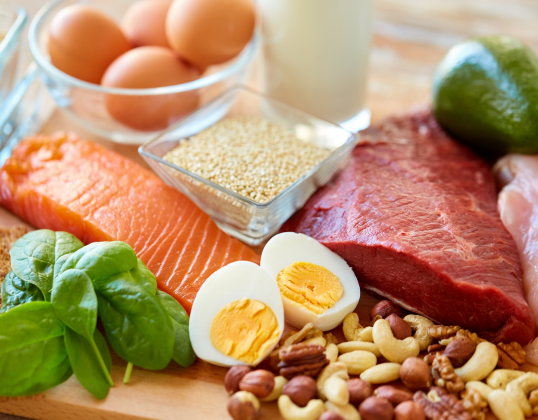
Earning the reputation as the number one Horeca Food Supplier in Bali did not happen overnight. Happy Farm Bali has achieved this position through a balanced combination of premium products, outstanding service, and dependable availability. Many renowned hotels and restaurants have chosen them as their primary supplier because of their proven reliability and international-standard quality.
Furthermore, Happy Farm Bali continuously adapts to market trends and client needs. They are not just a supplier, but also a strategic partner that helps Horeca businesses create the best culinary experiences possible.
Recommendations for Horeca Businesses in Bali
For hotel, restaurant, and café owners in Bali, choosing a supplier is not just a logistical decision—it is a long-term business strategy. The right supplier helps maintain consistent quality, optimize operations, and ensure guest satisfaction.
With its proven track record, reputation, and dedication, Happy Farm Bali is the leading recommendation for anyone seeking a trusted Horeca Beef Supplier in Bali. They offer more than premium products—they provide peace of mind with reliable service that supports business growth.
In Bali’s highly competitive Horeca industry, the presence of a dependable food supplier is essential for maintaining world-class culinary standards. Premium beef, fresh salmon, and high-quality seafood are core ingredients that must always be available in top condition. Service excellence and consistent supply are what separate the best suppliers from the rest.
Happy Farm Bali has firmly established itself as Bali’s number one Horeca Food Supplier. With premium ingredients, professional service, and reliable logistics, they are the go-to partner for hotels and restaurants seeking to deliver the finest dining experiences on the island.
Wagyu Beef Supplier with the Best Hospitality in Bali
Wagyu Beef Supplier - In recent years, the demand for premium beef in Indonesia has grown significantly, particularly in world-class tourist destinations such as Bali. Travelers are not only seeking stunning beaches and rich culture but also unforgettable dining experiences. Among the many options of premium meats, Wagyu beef has become the star of the culinary scene thanks to its exceptional taste, texture, and nutritional value.
With the rising demand, the role of a reliable Wagyu Beef Supplier in Bali has become increasingly important. Hotels, fine dining restaurants, and luxury catering services depend heavily on trusted suppliers to deliver consistently high-quality products that meet international standards.
This article explores why Wagyu beef is so special, the crucial role suppliers play in Bali, the types of Wagyu cuts offered, and practical tips for choosing the right supplier. In the final section, you will also find a recommendation for a brand that has earned its reputation for delivering the best Wagyu beef in Bali.
Why Choose Wagyu Beef?
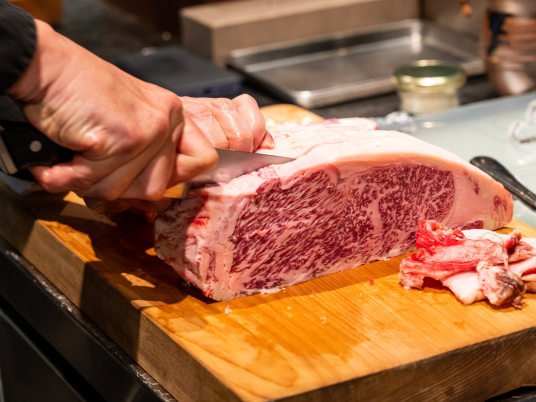
Wagyu beef is not just ordinary beef. The word “Wagyu” itself comes from Japan, meaning “Japanese cow.” Its defining feature lies in the extraordinary level of marbling—or intramuscular fat—that is finely distributed throughout the meat. This marbling is what gives Wagyu its buttery flavor, melt-in-the-mouth texture, and unique aroma that sets it apart from any other beef.
Beyond taste, Wagyu beef is also valued for its nutritional benefits. The fat in Wagyu contains a higher percentage of monounsaturated fats and omega-3 fatty acids, which are healthier for the heart compared to other types of beef. This makes Wagyu not only a gourmet choice but also a healthier one when consumed in moderation.
In Bali’s culinary scene, Wagyu beef has become a standard of excellence. Fine dining restaurants, five-star hotels, and luxury villas regularly feature Wagyu on their menus to impress both domestic and international guests. Choosing Wagyu is not only about serving food—it is about elevating lifestyle and dining standards.
The Crucial Role of a Wagyu Beef Supplier in Bali
Bali’s thriving culinary industry is fueled by an influx of global tourists with high expectations. Restaurants, hotels, and catering businesses must maintain international standards, and the quality of ingredients plays a major role. A Wagyu Beef Supplier in Bali serves as a vital partner in this ecosystem, ensuring that businesses have access to premium beef consistently.
Suppliers do far more than just deliver meat. They guarantee quality, freshness, and authenticity—three elements that are non-negotiable in the premium dining sector. For example, a restaurant aiming to serve A5-grade Wagyu must rely on a supplier capable of sourcing certified, authentic cuts and distributing them under strict cold-chain conditions.
Furthermore, suppliers act as the bridge between global producers and local businesses. They handle import processes, food safety standards, and stock availability, ensuring that Wagyu products are always ready to meet the demands of Bali’s bustling culinary scene. Without reliable suppliers, it would be difficult for chefs and restaurateurs to consistently maintain the quality their guests expect.
Varieties of Wagyu Beef Cuts Offered
A trustworthy Wagyu Beef Supplier typically provides a wide range of cuts to accommodate different culinary needs. Each cut carries unique characteristics suited for specific cooking methods.
- Ribeye: Known for its rich marbling and bold flavor, ribeye is the most popular choice for premium steaks, offering an indulgent eating experience.
- Tenderloin: Famous for its buttery tenderness and fine texture, tenderloin is often featured in elegant fine dining dishes.
- Sirloin: A well-balanced cut that combines tenderness with a strong beefy flavor, making it versatile for both Western and Asian-style cooking.
- Brisket: With its thicker fat layers, brisket is ideal for slow cooking, barbecues, or hearty soups.
- Short Ribs: A favorite for braised or grilled dishes, short ribs deliver a perfect blend of savory richness and chewy texture.
By offering such variety, suppliers empower chefs to unleash their creativity and design unique menus that cater to diverse clientele. Availability of multiple grades—from A3 to A5—further highlights the professionalism of a Wagyu supplier in Bali.
Service Standards of the Best Wagyu Beef Supplier
When it comes to choosing a supplier, service is just as important as the product itself. The best wagyu beef suppliers in Bali distinguish themselves through a set of high service standards that ensure client satisfaction.
Firstly, they provide consultation services. Not all customers are familiar with the best cuts for their menus, so expert guidance from suppliers helps businesses choose the right products.
Secondly, they use modern packaging methods, such as vacuum-sealed packs, to preserve freshness, prevent contamination, and extend shelf life.
Thirdly, they maintain professional distribution systems supported by refrigerated fleets. This ensures that Wagyu beef remains in perfect condition during transport, from warehouse to kitchen.
Consistency of supply is another vital aspect. Reliable suppliers guarantee sustainable availability, preventing stock shortages that could disrupt restaurant operations.
Lastly, the best suppliers emphasize transparent pricing. Clear and competitive pricing builds trust and eliminates hidden costs, allowing businesses to plan their budgets confidently.
Tips for Choosing a Wagyu Beef Supplier in Bali
Selecting the right wagyu beef supplier is a strategic decision for any culinary business. Here are some practical tips to guide you:
- Check Reputation: Look for reviews and testimonials from other clients. A reputable supplier consistently delivers quality and reliable service.
- Verify Certifications: Ensure the Wagyu beef offered comes with proper import and food safety documentation. Authenticity is critical.
- Request Samples: Before committing long-term, test product samples to evaluate taste, texture, and freshness.
- Explore Product Range: Professional suppliers typically offer multiple grades and cuts, allowing you to customize your menu offerings.
- Assess After-Sales Support: Choose suppliers who offer post-purchase support, such as quality guarantees, consultations, or flexible delivery services.
By applying these criteria, businesses in Bali can minimize risk and ensure a reliable partnership that supports long-term success.
Recommended Wagyu Beef Supplier with the Best Service in Bali
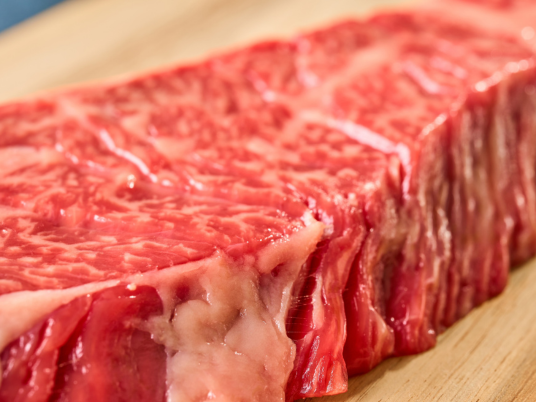
After considering the above factors, one of the most recommended options is Happy Farm Bali. This brand has built a strong reputation among fine dining restaurants, international hotels, and luxury villas for its consistency and excellent service.
Key advantages of this supplier include:
- Offering Wagyu beef ranging from A3 to A5 grade, imported directly from Japan and Australia.
- Operating with a modern distribution system, including refrigerated fleets that preserve product quality.
- Providing expert consultations to chefs and restaurant owners in selecting the right cuts for their menus.
- Maintaining transparent and competitive pricing.
- Earning positive reviews from numerous satisfied clients in Bali’s premium culinary industry.
With such qualities, this Wagyu Beef Supplier stands out as an ideal partner for businesses aiming to deliver world-class dining experiences in Bali.
Conclusion
Wagyu beef represents the pinnacle of culinary excellence. In Bali, where the hospitality industry thrives on international standards, partnering with a reliable The Best Wagyu Beef Supplier is essential for restaurants, hotels, and catering businesses. Suppliers do not merely deliver products—they play a strategic role in ensuring consistency, authenticity, and quality.
Choosing the right supplier goes beyond price; it requires attention to service standards, product variety, certifications, and reputation. By securing a trustworthy partner, businesses can confidently deliver premium dining experiences that satisfy discerning guests from around the globe.
For those seeking to elevate their culinary offerings, trusting a Wagyu Beef Supplier with the best service in Bali is a smart step toward growth, reputation, and long-term success.