


Fresh seafood is one of the most important factors that determine the quality of any seafood-based dish. For food businesses such as seafood restaurants, hotels, cafés, catering services, and seafood processing companies, the quality of raw ingredients serves as the foundation for maintaining flavor, customer satisfaction, and business reputation. It is no surprise that many business owners are highly selective when choosing Bali Seafood Suppliers capable of delivering consistently high-quality products.
However, many people still assume that seafood freshness depends solely on the catch itself. In reality, seafood that remains fresh until it reaches consumers is the result of a long and carefully controlled process. From post-harvest handling and storage to distribution and delivery, every stage must follow strict standards.
So, how do professional Bali Seafood Suppliers maintain seafood quality and freshness? Here is a complete overview.
The Importance of Fresh Seafood for Food Businesses
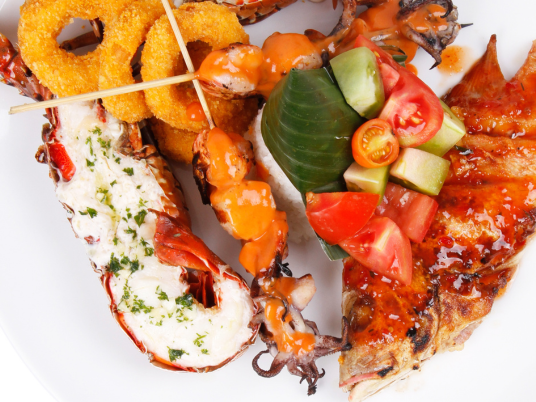
In the food industry, ingredient quality is always a top priority. This becomes even more critical when dealing with seafood products, which are highly sensitive to temperature changes and storage conditions.
Fresh seafood not only offers superior taste but also delivers better texture, a more natural aroma, and well-preserved nutritional value. On the other hand, seafood that is no longer fresh can negatively affect the overall quality of a dish and may pose food safety risks.
For restaurants and culinary businesses that rely on seafood-based menus, maintaining consistent quality is essential. Customers who enjoy a satisfying dining experience are more likely to return and recommend the business to others. For this reason, partnering with Trusted Bali Seafood Suppliers becomes a crucial part of ensuring business success.
In addition, growing consumer awareness regarding food quality has encouraged businesses to become more selective when choosing Bali Seafood Suppliers. Fresh seafood is no longer considered an added advantage—it is now an expected standard.
Bali Seafood Suppliers: Seafood Freshness Does Not Happen by Chance
Many people enjoy fresh seafood at restaurants or markets without realizing the extensive process behind it. In reality, maintaining seafood freshness requires an organized system and continuous monitoring.
Once seafood is caught or harvested, it must be handled immediately using proper methods to slow bacterial growth and preserve product quality. Time is a critical factor because the longer seafood remains outside ideal temperature conditions, the faster its quality deteriorates.
Cooling procedures typically begin as soon as the seafood is harvested. This stage is designed to maintain freshness before the products move on to sorting and distribution.
Next, seafood must be stored at appropriate temperatures throughout transportation. Consistent temperature control is one of the most important factors in ensuring products remain fresh when they reach their destination.
In other words, the fresh seafood served on customers’ plates is the result of an efficient supply chain management system. Without proper processes in place, maintaining seafood quality would be extremely difficult.
The Essential Role of Bali Seafood Suppliers in Preserving Freshness
As demand for premium seafood continues to grow, the role of Bali Seafood Suppliers becomes increasingly important. Suppliers are not only responsible for selling products but also for preserving quality from the moment products are received until they are delivered to customers.
Professional suppliers typically follow clear procedures for handling different types of seafood. Product receiving, quality inspections, storage, and delivery are all carried out according to strict operational standards.
Beyond maintaining freshness, suppliers serve as a critical link between seafood producers and food businesses. They ensure that every product delivered to customers has undergone proper selection and quality control processes.
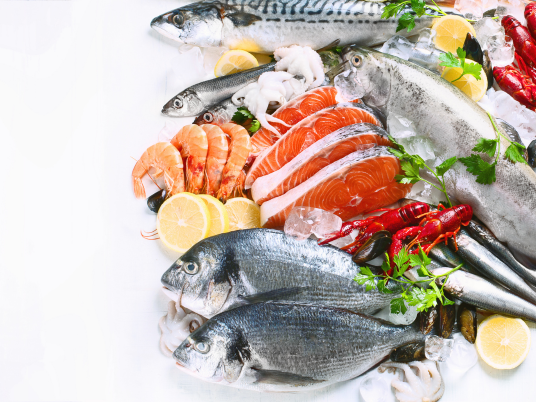
Furthermore, experienced suppliers understand the unique characteristics of each seafood category. Different products such as fish, shrimp, shellfish, squid, and lobster require different handling methods. This expertise plays a significant role in preserving product quality throughout the distribution process.
That is why choosing professional Bali Seafood Suppliers is about more than finding competitive pricing—it is about ensuring consistent ingredient quality at all times.
Standards That Professional Seafood Suppliers Must Meet
To consistently maintain seafood quality and freshness, professional suppliers must comply with several important standards.
1. Strict Product Selection
The process begins with selecting products that meet quality requirements. Bali Seafood Suppliers must inspect seafood based on physical characteristics such as color, aroma, texture, and overall freshness.
Products that fail to meet established standards should not proceed to the distribution stage. This step is essential for maintaining the quality expected by customers.
2. Well-Maintained Cold Chain System
A cold chain system refers to temperature-controlled handling from the moment products are received until they are delivered to customers.
Storage temperatures must be maintained according to the requirements of each seafood category. Any disruption within the cold chain can lead to quality degradation and increase the risk of spoilage.
For this reason, professional Bali Seafood Suppliers typically invest in proper storage facilities and refrigerated transportation systems to support distribution activities.
3. Hygiene and Food Safety Standards
Cleanliness is a non-negotiable aspect of the seafood industry. Bali Seafood Suppliers must ensure that storage facilities, equipment, and handling processes meet strict sanitation requirements.
Consistent hygiene practices help minimize contamination risks and maintain product safety before seafood reaches customers.
4. Quality Control Systems
Reliable suppliers generally implement dedicated quality control procedures or teams responsible for conducting routine inspections.
Quality control helps ensure that products meet customer specifications and expectations. With effective monitoring systems in place, the risk of delivering substandard products can be significantly reduced.
5. On-Time Distribution
Seafood freshness is heavily influenced by delivery speed. Therefore, suppliers must have logistics systems capable of ensuring timely deliveries.
Punctual delivery is an important aspect of professional service because delays can directly affect both product quality and customer operations.
Customer Trust Is the Key to Long-Term Partnerships
In the seafood industry, trust carries tremendous value. The relationship between suppliers and customers is built not only through transactions but also through consistent service and dependable product quality.
Customers naturally expect seafood that is fresh, safe, and readily available when needed. When suppliers consistently meet these expectations, trust develops naturally over time.
In addition to product freshness, stock availability is another crucial factor. Many food businesses depend on reliable seafood supplies to maintain smooth daily operations. Product shortages can disrupt service and negatively affect end-customer satisfaction.
At the same time, delivery reliability is a strong indicator of a supplier’s professionalism. Consistently on-time deliveries allow businesses to manage inventory more effectively and efficiently.
When these three elements—freshness, stock availability, and delivery accuracy—are maintained consistently, strong and long-lasting business partnerships become much easier to establish.
Choosing the Right Bali Seafood Suppliers for Your Business
Selecting a best seafood supplier should never be taken lightly. Business owners must evaluate multiple factors to ensure they partner with a supplier they can depend on.
Company reputation, product quality standards, cold chain management capabilities, stock availability, and customer service quality are all important considerations. Suppliers with well-established systems and procedures are generally better equipped to provide consistent product quality than those operating without clear standards.
Additionally, responsive communication and the ability to accommodate customer requirements add significant value to long-term business relationships.
Happy Farm Bali: A Recommended Seafood Supplier in Bali
As demand for high-quality seafood continues to increase, choosing the right supply partner becomes a strategic decision for every food business. A professional supplier does more than provide products—they help businesses maintain the quality standards customers expect.
One recommended option among Bali Seafood Suppliers is Happy Farm Bali. With a commitment to product quality, seafood freshness, consistent stock availability, and reliable delivery services, Happy Farm Bali serves as a trusted partner for a wide range of food and beverage businesses.
By implementing strong product handling standards and prioritizing customer satisfaction, Happy Farm Bali provides seafood supply solutions that support smooth and sustainable business operations.
Ultimately, fresh seafood is never a matter of luck. Behind every high-quality seafood product served to customers lies a combination of proper processes, efficient systems, and professional commitment. That is why partnering with trusted Bali Seafood Suppliers such as Happy Farm Bali can be a valuable investment in maintaining quality, protecting your reputation, and supporting long-term business growth.