


Local vs Imported Suppliers for Restaurants – In the restaurant business, the quality of ingredients is not merely a kitchen concern. Ingredients are one of the key factors that determine flavor, texture, menu consistency, and production costs, all of which ultimately affect customer satisfaction and profit margins. One of the most important ingredients, particularly for steak restaurants, grill and BBQ establishments, hotels, catering businesses, and restaurants with international concepts, is meat.
That is why the question of “Local vs Imported Suppliers for Restaurants” is becoming increasingly relevant for culinary business owners. Is locally sourced meat more profitable because the supply chain is closer? Or is imported meat a better option because it offers a wider range of specifications and characteristics?
The answer is not as simple as comparing the price per kilogram. Restaurants need to consider quality, consistency, availability, cut specifications, storage, distribution, and their overall menu requirements.
What Is a Meat Supplier?
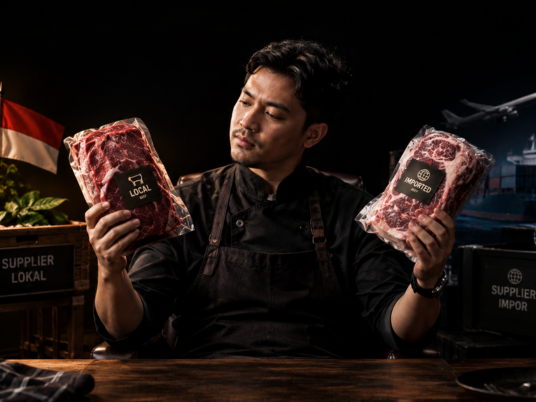
A meat supplier is a business that provides and distributes meat products to customers, including consumers and businesses such as restaurants, hotels, catering companies, supermarkets, and other food service establishments.
The role of a supplier goes far beyond simply selling meat. A supplier is part of the supply chain that connects the source of the product with the restaurant kitchen. They help ensure that products are available according to demand, meet the required specifications, and can be delivered in proper condition.
In restaurant operations, having a reliable supplier is extremely important. Imagine a steak restaurant running out of sirloin stock during the weekend, or a BBQ restaurant receiving meat cuts with inconsistent sizes. Problems with ingredient procurement can directly affect kitchen operations and the overall customer experience.
For this reason, choosing a supplier should not be based solely on price. The supplier’s ability to maintain quality and ensure a consistent supply should also be a major consideration.
How Important Is the Role of Meat Suppliers in Bali’s Culinary Industry?
Bali has a highly diverse culinary and hospitality ecosystem. From local restaurants, steakhouses, hotels, resorts, villas, and catering businesses to restaurants with international concepts, each has different ingredient requirements.
This makes meat suppliers strategically important within Bali’s culinary industry. Restaurants do not simply need meat in certain quantities; they also need products that meet their menu standards and remain consistently available.
For example, a premium steakhouse may require specific cuts with particular meat characteristics and levels of marbling. On the other hand, a burger restaurant may need meat that is suitable for producing burger patties. A BBQ restaurant naturally has different requirements when it comes to meat cuts.
This means that every culinary business requires a different procurement approach. A supplier who understands the needs of restaurants can help determine suitable products based on the type of menu, target food cost, purchasing volume, and customer profile.
Therefore, the discussion of Local vs Imported Suppliers for Restaurants is not simply about where the product comes from. More importantly, it is about how effectively a supplier can support the smooth operation of a restaurant business.
Differences Between Local and Imported Meat Suppliers
Local vs Imported Suppliers for Restaurants? In general, local suppliers source their products from domestic sources or farms, while imported suppliers provide products originating from overseas through international supply chains.
One of the main advantages of locally sourced meat is its proximity to the source. A shorter distribution chain can be an important consideration for restaurants that require regular supplies. Using local products can also be part of a business strategy focused on supporting domestic producers.
However, locally sourced meat does not automatically mean that it is cheaper or always superior. Quality is still influenced by various factors, including the source of the livestock, processing, handling, storage, and the supplier’s standards.
Meanwhile, imported meat offers a wider selection of products. Restaurants may have access to different cuts and meat characteristics that suit specific menu concepts. Imported products are also commonly used by restaurants that aim to offer dishes with particular standards or characteristics.
Nevertheless, imported products generally involve a longer supply chain. Restaurants therefore need to pay attention to the cold chain, storage conditions, distribution time, and the supplier’s ability to maintain product quality from the point of receipt until it reaches the kitchen.
This shows that there is no universally superior option. Both local and imported meat have their own characteristics and can be selected according to the specific needs of each restaurant.
Local vs Imported Suppliers for Restaurants: Which One Is More Profitable?
So, if a restaurant has to choose between a local and an imported supplier, which option is actually more profitable?
The answer depends on the restaurant’s business model.
A restaurant targeting an affordable price point may prioritize ingredient cost efficiency. A premium restaurant may place greater emphasis on quality, marbling, tenderness, cut consistency, and meat characteristics. Meanwhile, hotels and catering businesses typically need suppliers that can fulfill large-volume orders consistently.
Therefore, purchase price should not be the only indicator of profitability.
Restaurants need to consider the overall cost, including meat prices, shrinkage, trimming, yield, portion sizes, storage, and the risk of stock shortages. Meat that appears cheaper does not necessarily generate greater profits if a significant amount is wasted or its quality is inconsistent.
Conversely, higher-priced meat can still provide better economic value if it delivers good yield, allows for effective portion control, and produces consistent cooking results.
This approach makes supplier selection (Local vs Imported Suppliers for Restaurants) a strategic decision in the culinary business rather than simply a routine purchasing activity.
How to Choose a Meat Supplier for a Restaurant
Before establishing a partnership, restaurants should evaluate several important factors.
The first is quality consistency. The products received today should maintain standards comparable to future orders. Consistency is essential because customers expect the same taste and quality every time they visit.
The second is product availability. A reliable supplier should be capable of maintaining a consistent stock supply, particularly for ingredients used in a restaurant’s core menu items.
The third is cut specifications. Size, weight, thickness, cut type, and meat characteristics should be aligned with the kitchen’s requirements. Clear specifications also help chefs control portions and food costs.
The fourth is handling and storage. Meat is a food product that requires proper handling. Appropriate temperature-controlled storage and distribution are important for maintaining product quality.
Finally, restaurants should consider supplier service and flexibility. Restaurants need partners who can respond effectively when requirements change, demand increases, or product specifications need to be adjusted.
By considering all of these factors (Local vs Imported Suppliers for Restaurants), restaurants can choose suppliers based on the overall value they provide rather than simply selecting the lowest price.
Happy Farm Bali as a Quality Local Meat Supplier in Bali
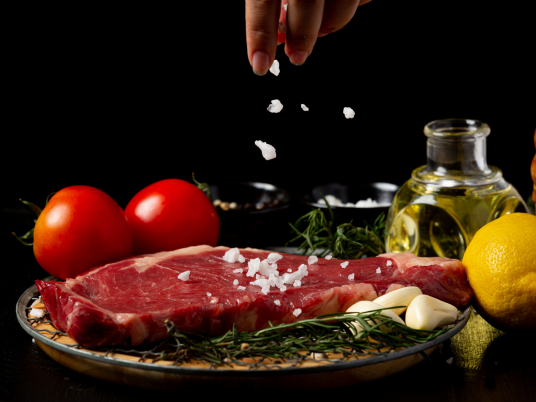
For restaurants, hotels, catering businesses, and other culinary businesses looking for a meat supplier in Bali, Happy Farm Bali can be one option worth considering.
Happy Farm Bali offers a range of products to meet the needs of culinary businesses, including beef, chicken, seafood, and various meat cuts that can be used for restaurant operations.
One of its advantages is the flexibility of its product selection. Restaurants can adjust their ingredient requirements according to their menu concept, purchasing volume, target customers, and food cost strategy.
Meat cuts such as rib eye, sirloin, tenderloin, short ribs, brisket, and minced beef can be used for a variety of dishes. With this range of options, restaurants can more easily match their ingredients to the characteristics of the menus they want to offer.
For culinary businesses operating in Bali, having a local supplier can also provide greater convenience in terms of coordination and distribution. A closer supply source can help restaurants manage their ingredient requirements more practically, particularly for businesses that require regular deliveries.
Ultimately, a Local vs Imported Suppliers for Restaurants is not merely a place to purchase meat. A supplier is also part of a restaurant’s operational system. A supplier capable of providing quality products, consistent supply, and reliable service can help a business maintain menu standards while controlling production costs.
Conclusion
The discussion of Local vs Imported Suppliers for Restaurants does not have a single answer that applies to every business. Both local and imported meat can offer advantages and generate value when selected according to the restaurant’s specific needs.
Local suppliers can be a suitable choice for restaurants that prioritize a closer supply chain, flexibility, and the use of domestic products. Meanwhile, imported products can be an alternative when restaurants require specific meat characteristics or specifications.
The most important factors to consider are quality, consistency, availability, cut specifications, distribution systems, and overall pricing.
For culinary businesses looking for a quality local meat supplier in Bali, Happy Farm Bali can be one option worth considering. With a diverse product selection and a focus on the needs of culinary businesses, Happy Farm Bali can help restaurants obtain a meat supply that is more practical and aligned with their operational requirements.
In the restaurant business, choosing the right supplier does more than simply keep the kitchen running. More importantly, it can serve as one of the foundations for maintaining food quality, controlling food costs, and delivering a consistent customer experience.