


Choosing the right cut of beef is one of the keys to creating delicious dishes. Each part of the cow has different characteristics, ranging from texture and fat content to muscle fibers and tenderness. Therefore, understanding the Most Tender Cuts of Beef can help you determine which cut is best suited to the type of dish you want to prepare.
Tender beef is generally easier to cook and provides a softer texture when eaten. However, this does not mean that all tender cuts are limited to a particular type of dish. Some cuts are highly versatile and can be prepared as steaks, stir-fries, soups, roasts, and many other dishes.
Understanding the Characteristics of Different Beef Cuts
In general, a cow’s body can be divided into several sections, each producing beef with distinct characteristics. These differences are influenced by muscle activity, the location of the cut, fat content, and the amount of connective tissue present in the meat.
Cuts from muscles that are frequently used for movement tend to have stronger muscle fibers. Meat from these areas is usually denser and requires specific cooking techniques to achieve a more tender texture. In contrast, cuts from muscles that are used less frequently generally have a softer texture.
In addition to tenderness, fat content is another important factor to consider. Intramuscular fat, commonly known as marbling, can provide a rich flavor while helping the meat retain moisture during cooking. Therefore, choosing Most Tender Cuts of Beef should not be based solely on the cut itself but should also take the intended cooking method into account.
The Most Popular Types of Beef Cuts
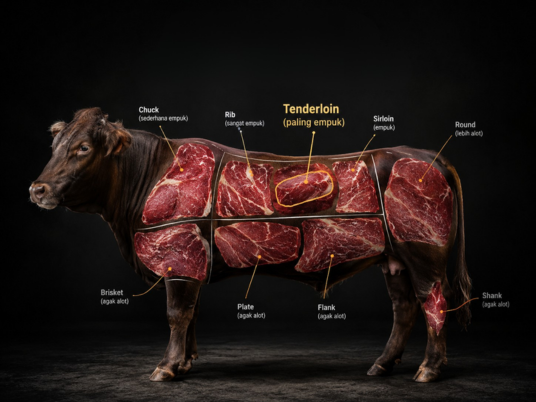 For everyday cooking, several beef cuts are particularly popular because they are versatile and suitable for a wide range of dishes. Tenderloin, sirloin, ribeye, and topside, for example, are commonly selected for both home cooking and restaurant use.
Tenderloin is known as one of the most tender cuts because it comes from a muscle that is relatively inactive. This cut is often used for steak and dishes where a soft, delicate texture is the main priority.
Meanwhile, ribeye is known for its prominent marbling. The fat distributed throughout the meat melts during cooking, creating a juicy texture and a richer flavor. This makes ribeye a popular choice for steaks and grilled dishes. Unlike tenderloin, which is primarily valued for its tenderness, ribeye offers a combination of tenderness and pronounced flavor.
Sirloin is another widely popular cut. Its texture is slightly firmer than tenderloin, but it can still be an excellent choice for steaks, stir-fries, and various other preparations. This versatility makes sirloin a practical option for many different cooking needs.
Cuts such as chuck, brisket, and shank, on the other hand, tend to contain more connective tissue. These cuts are generally better suited to slow cooking, braising, or boiling, where longer cooking times allow the connective tissue to break down and create a more tender texture.
Understanding Most Tender Cuts of Beef, these characteristics is an important first step when choosing beef. If tenderness is the main priority, several particular cuts can be considered top choices.
5 Most Tender Cuts of Beef
Every beef cut has its own advantages. However, if you are specifically looking for the Most Tender Cuts of Beef, there are several cuts that are generally recognized for their soft texture and versatility across different types of dishes.
1. Tenderloin
Tenderloin, also known as fillet, is one of the most well-known beef cuts for its exceptionally tender texture. It comes from the inner area near the backbone and is a muscle that experiences relatively little activity.
Its muscle fibers are fine, while its fat content tends to be lower compared with some other premium cuts. Because of its tenderness, tenderloin is particularly suitable for steaks, beef medallions, and grilled dishes.
The main advantage of tenderloin is its exceptional tenderness. However, because it contains relatively little fat, the cooking technique needs to be carefully controlled to prevent the meat from becoming too dry.
2. Ribeye
Ribeye comes from the area around the rib section and is known for its good level of marbling. The fat distributed between the muscle fibers melts during cooking, creating a juicy texture and a richer beef flavor.
This cut is a favorite for steaks and barbecues. Ribeye can also be sliced into smaller pieces for stir-fries or grilled dishes.
Compared with tenderloin, ribeye may have a slightly fuller texture. Nevertheless, the combination of relatively tender meat and generous marbling makes it one of the Most Tender Cuts of Beef and a popular choice among beef lovers.
3. Sirloin
Sirloin is a popular cut because it offers a good balance between texture, flavor, and price. Its muscle fibers are more noticeable than those of tenderloin, but with good-quality beef and the right cooking technique, sirloin can still produce a tender and enjoyable texture.
Sirloin is suitable for steaks, yakiniku, stir-fries, and a variety of grilled dishes. Its versatility makes it a practical choice for both home kitchens and food businesses.
If you are looking for beef that is relatively tender while still offering a distinct and satisfying beef flavor, sirloin can be an excellent alternative.
4. Striploin
Striploin comes from the loin area of the cow and is known for its relatively tender texture while retaining a more noticeable beef grain. This cut typically has an outer layer of fat that can add richness and savory flavor during cooking.
Striploin is commonly used for steaks and grilled dishes. It can also be sliced for various recipes that rely on quick cooking techniques.
Its characteristics place striploin somewhere between the tenderness of tenderloin and the more pronounced beef flavor of other cuts. As a result, it is a suitable option for those looking for a balance between tenderness and flavor.
5. Topside
Topside, which comes from the inner thigh area, has a relatively firm texture but can become tender when prepared and cooked using the right techniques. This cut is highly versatile and is commonly used in a wide range of beef dishes.
Topside can be prepared as roast beef, sliced beef, jerky, rendang, and many other dishes. To achieve the best texture, it is important to pay attention to the direction of the muscle fibers when slicing the meat.
Compared with the four premium cuts mentioned above, topside is generally leaner. Nevertheless, its versatility makes it a worthwhile option when looking for high-quality beef for different types of cooking.
How to Choose the Right Beef Cut for Your Dish
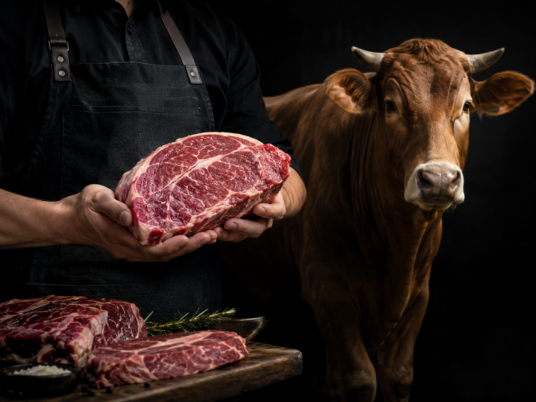 After understanding Most Tender Cuts of Beef, the characteristics of different cuts, the best approach is to match the beef with the cooking method. For steaks that require relatively short cooking times, tenderloin, ribeye, sirloin, and striploin can be excellent choices.
For dishes that require longer cooking times, however, you do not necessarily need to choose the most tender cut. Brisket, chuck, and shank can actually produce rich and flavorful results when cooked slowly. The connective tissue within these cuts gradually breaks down during the cooking process, resulting in a softer and more enjoyable texture.
In addition to the type of cut, meat freshness is equally important. Color, aroma, surface condition, storage practices, and a reliable cold chain should all be considered to help maintain beef quality from purchase to preparation.
Happy Farm Bali, a Quality Beef Supplier for Various Needs
Choosing the Most Tender Cuts of Beef becomes even more worthwhile when the meat comes from a supplier that pays close attention to product quality and proper handling. For beef needs in Bali, Happy Farm Bali can be considered as one of the beef suppliers worth exploring.
As a best meat supplier, product quality is an important factor because it can directly influence the final result of a dish. Beef that is properly handled and stored can be used more effectively for a variety of needs, whether for home cooking, restaurant menus, or food-service businesses.
Ultimately, there is no single cut that is absolutely the best for every dish. Tenderloin excels in tenderness, ribeye offers generous marbling and rich flavor, while sirloin and striploin provide a balance between texture and taste. Topside also has its own advantages for a variety of preparations.
By understanding the characteristics of each beef cut, choosing beef becomes more than simply looking for the most tender option. It becomes about selecting the right cut for the specific dish and cooking method. And when beef quality is a priority, choosing a top quality meat supplier such as Happy Farm Bali can help ensure that the ingredients you use are of suitable quality for creating delicious and satisfying beef dishes.